Down on the farm

Late August is bathing us in heat this year and the steady rains have brought on the harvest.  We modestly refer to our garden as “the farm” or “potager” and this is the time of year when it shines.  Produce begins to trickle in and suddenly there’s a little more interest in the backyard.
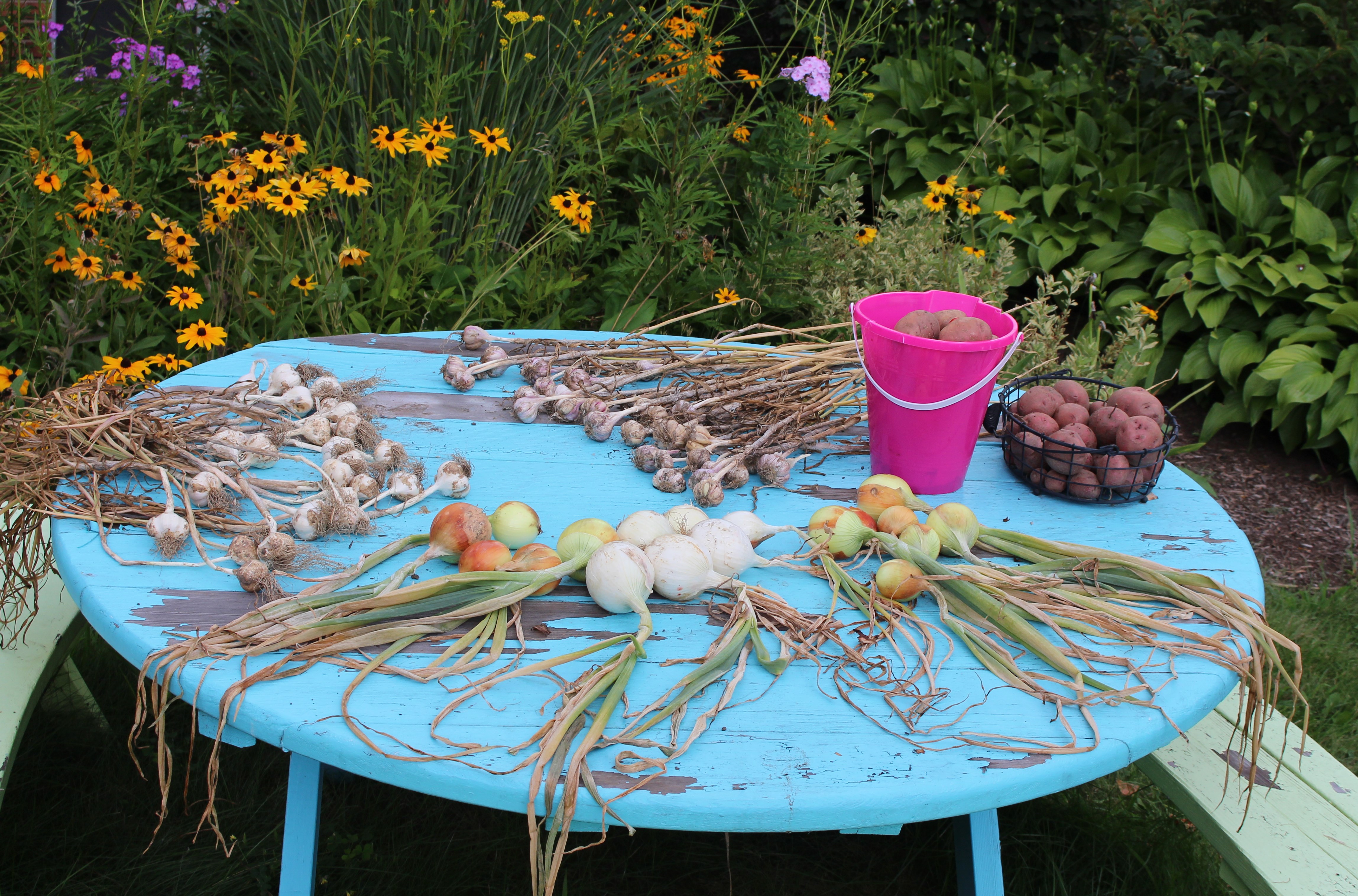
harvest from the garden

The picnic table is the place to be for drying off and cleaning up before the kitchen.  Garlic, potatoes, and the first of the onions started the month off.

Eggplant and peppers have been going out, onions are always popular, tomatoes are on their way, and beans are yet to come.  The harvest is late due to planter’s procrastination but who out there hasn’t ever fallen behind?  At this time of year even I fix up a plate of veggies, and they aren’t even deep fried 🙂

IMG_8425

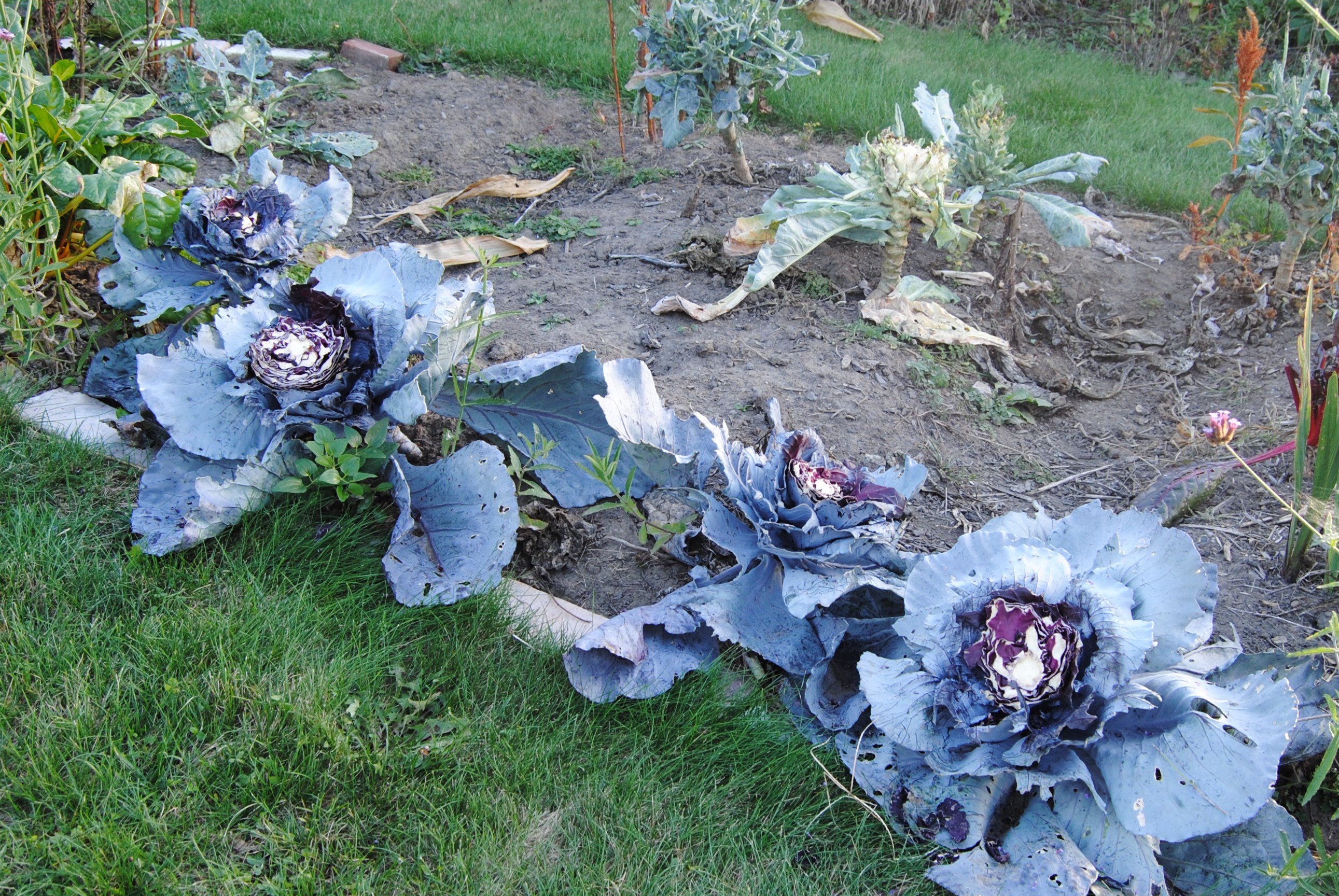
I grow red cabbage just for the looks, but there’s a good chance these heads will disappear soon and show up again later as rotkraut.  Fine by me, but in the meantime they look nice with the verbena, eggplant, and marigolds.

I admire a neat garden with raised, raked beds and straight rows of perfect plantings, but that’s nowhere even close to my garden.  The potager is tumbledown mix of flowers, crops, and all kinds of odds and ends that found an open spot of soil and made it their home.  Phlox are never turned away, and earlier in the month they started their summertime concerto and the music still plays on through the heat.  For this I consider myself lucky,  since earlier in the spring between spidermites and drought I got the feeling it would be a down year for the tall garden phlox (Phlox paniculata).

phlox paniculata dorffreude

Phlox paniculata ‘Dorffreude’ (Karl Foerster introduction, 1939) making a good argument that newer isn’t always better.

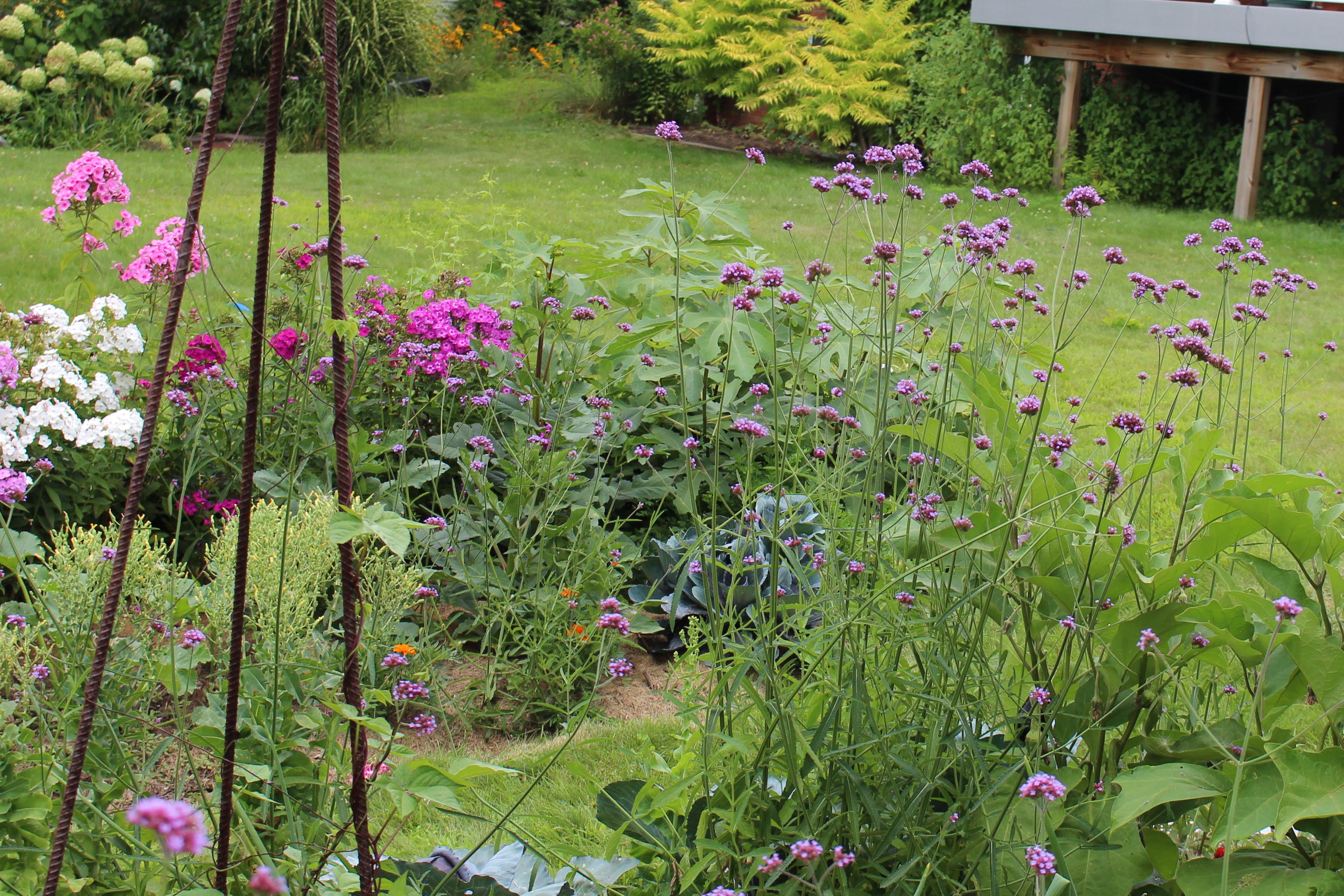
The phlox make me happy, but the other flowers which add to the non-agricultural chaos also make me smile, and the tall Verbena bonariensis leads the way with their bee and butterfly attracting bloom heads.
IMG_8305

Now’s the time when the verbena becomes too attractive to pull.  It’s a fair trade-off since the flowers draw in nearly every passing butterfly.

One area of responsible neatness is the boxwood hedge which edges the two forward sides of the garden.  After three years the small plants have finally begun to look nearly respectable.  To celebrate this milestone I spent way too much money on what I hope will be a set of premium hedge shears.  The electric trimmer has been shelved and I took the quieter, more contemplative path of manual trimming.  For me it’s relaxing and I think I’m one of the few who actually enjoys this job.

training boxwood hedge

Slowly the boxwood hedge fills in.  I can still remember the summer day way back when me, a bucket of boxwood clippings,  a few trays of potting mix, and a couple beers started this all.

Besides boxwood and phlox, chrysanthemums (ok, new name dendranthema) are starting to make a serious play for potager real estate.  This spring I added even more of the larger flowered football types, trying to stick with anything which might be hardy through the winter.  I’d try to explain this growing obsession with mums but honestly after just admitting I enjoy hedge trimming I’m not sure there’s much I can say to defend this last quirk.
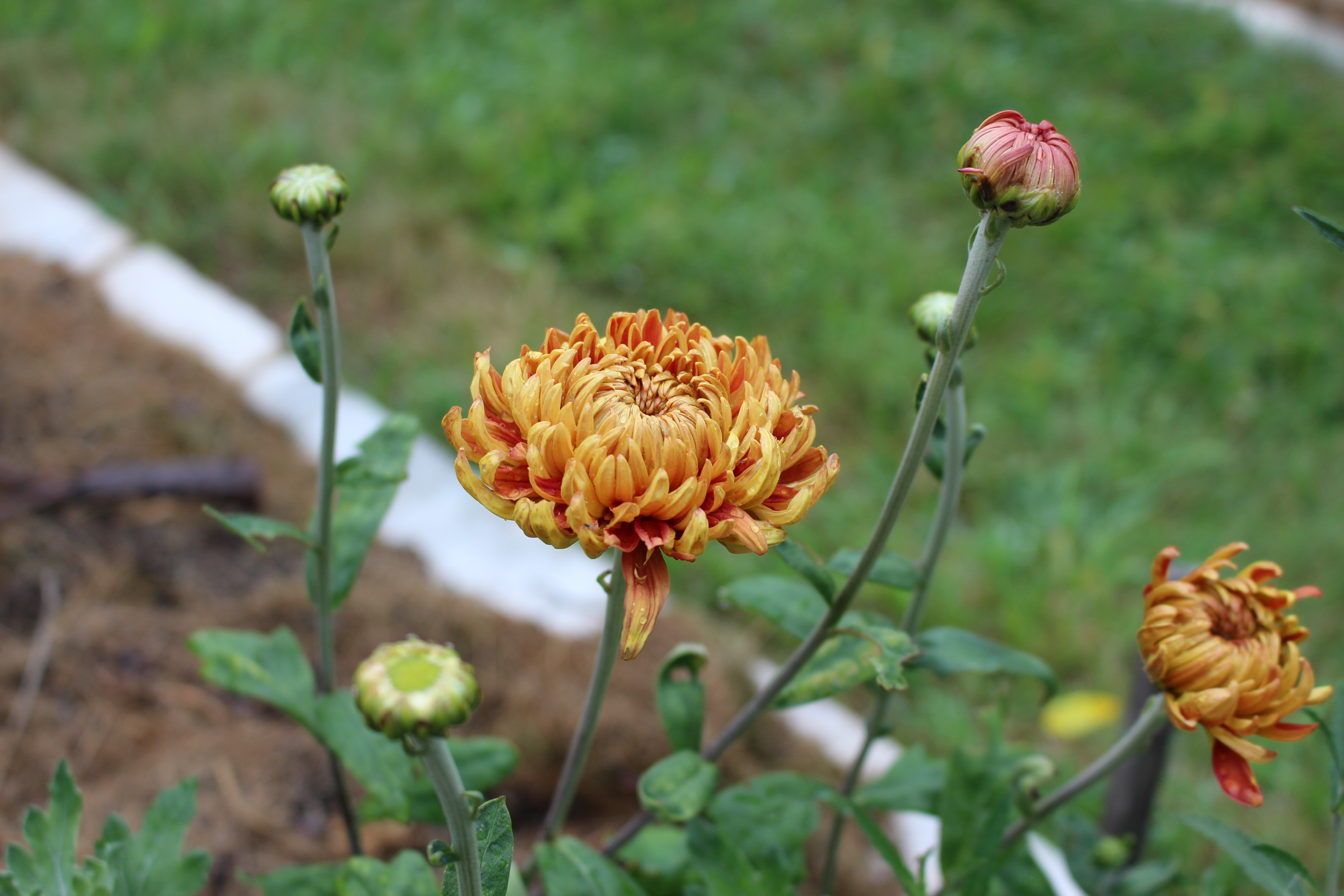
hardy football mum

Hardy (hopefully) football mum.  If the mood strikes next year I may even try disbudding a few of these to see if I can force all the plant’s energy into one single, perfectly large, perfectly perfect, bloom.

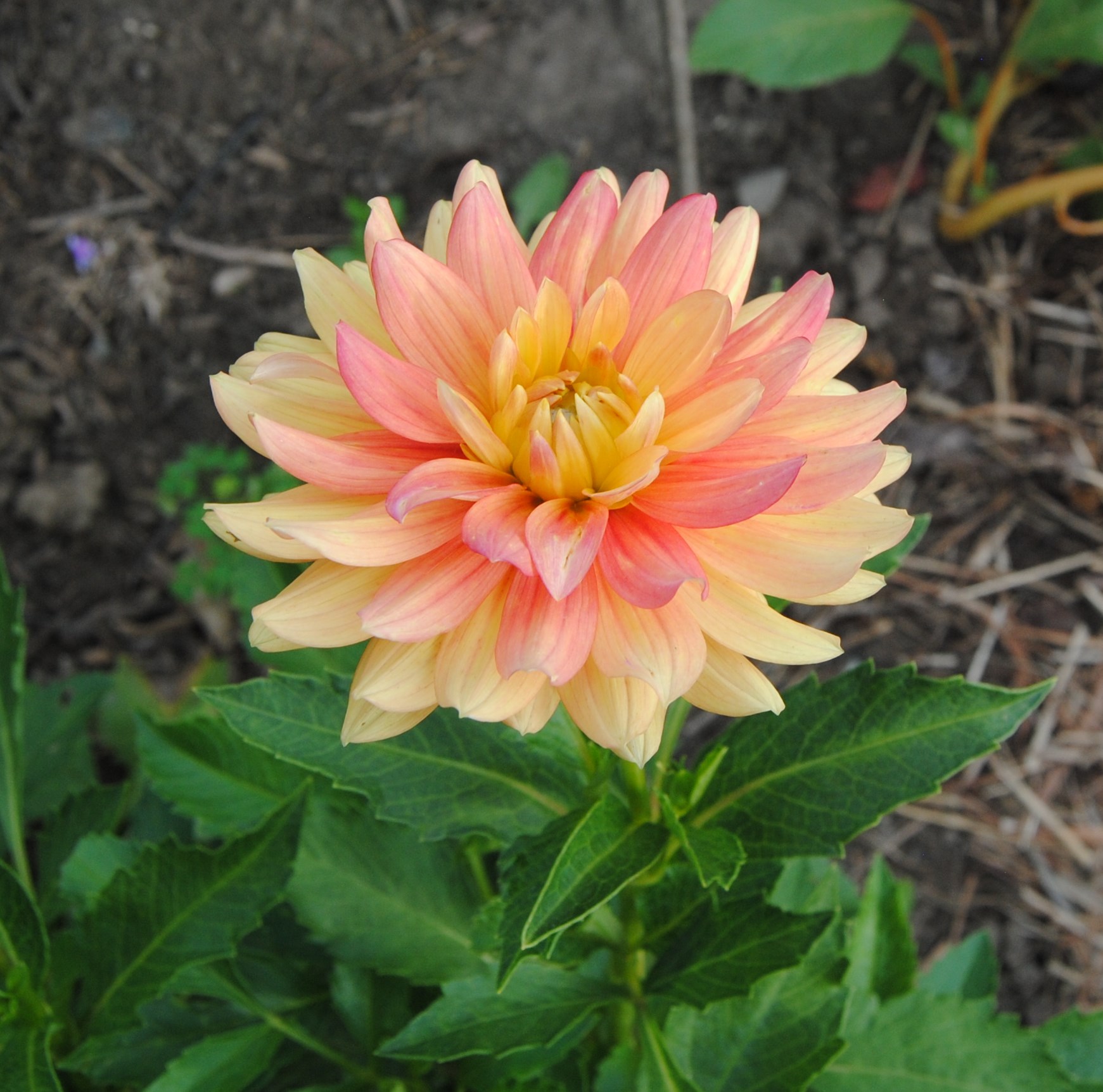
Dahlias.  I like dahlias.  I think I’ve already confessed to that.  Of course a late planting gives late flowers, and you know me and late.

moonlight dahlia

Dahlia ‘Moonstruck’.  This is its third year and it has yet to let me down, although I suspect it carries a virus which causes the leaves to yellow and die way too early in the season.

Sometimes late isn’t anyone’s fault.  For the second year in a row I’ve had these gladiolus bulbs overwinter in the open garden.  Against better advice I even transplanted them in June and look at that, the clump still managed to send up two bloom stalks.  If this keeps up I’ll need to divide the clumps next year since the other clump is up to 8 flower stalks!

winter hardy gladiolus

Just your average hellebore-gladiolus-rudbeckia-tomato planting.  I don’t think you’ll find this combo anywhere else… probably for good reason 🙂

But procrastination does have its down side.  Although the persicaria and rudbeckia have never looked better next to the potager, the light green ‘turf’ in the bed is 100% weeds…. and this is still supposed to be a red border, which rudbeckia is not.  Also the trellis never received a solid footing, and was never officially planted.  I guess that’s what the plans for next season are made of!

persicaria red border

persicaria red border

Enjoy your own harvest, whether it be fruits or flowers, contentment or excitement.  The season is here and as long as the heat doesn’t kill you first you can shelve these moments away in your mind for those dark days in January.


Check one corner off

There were a few cool days last week and I was able to drag myself out into the garden and give the vegetable beds a once over (in spite of the dry soil and high pollen counts).  I think it looks as good as it gets, and with all the unintentional flowers it may be fancy enough to call a “potager”, as Annette from Annette’s Garden once called it.  I like the name and it’s stuck.  It has just enough Continental refinement to make me laugh a little when I look at the plastic fencing, weedy sumacs, chainlink and neighboring industrial park!

the potager vegetable garden

The potager with neatly edged beds and way too much disorganization.  By now the warm weather vegetables should already be in but with last week’s frost I’m kind of grateful for my procrastination.

The work always goes faster with a good helper or two, but studies have shown that nine year old boys don’t typically fall into that category.  Still the company is welcome.

kids in the garden

A few edible things are starting to fill the beds but I’m always proudest of the fancy pink marble edging which line the plots.  In a former life the stone accented the front of the house, but now it helps edge the beds.  The look has been called “deep south cemetery” and I’m sure that’s a compliment. 

Ok, so even freshly weeded it’s still kind of messy, but I’m far too proud of the crisp edge along the lawn and the freshly mulched boxwood to let that keep me from posting a photo.  Our little Queen of the Prairie” must agree.  She overlooks the potager but has seen better days as the weather continues to eat away at her plaster self.  Might be time to start hitting the estate sales to find a successor.

boxwood edging vegetable beds

A very rarefied boxwood edging lines the outer perimeter and I think it really elevates the standing of my hodgepodge of plants.  Hopefully I can enjoy it for a few years now that it’s finally growing in, especially since  so many European and New England gardeners are facing multiple boxwood problems … blight, caterpillars, ugh.

The iris are at their peak.  I should really evict them but never do.

iris in the vegetable beds

Seems like for every iris clump I remove a few new ones pop up.  The compost usually brings in a few but the gardener also tends to feel bad for spare plants and ends up putting the innocent little fans in here and there.

I don’t know what to say about this clump.  Two years ago I dumped them here when I needed their real estate for a tomato planting.  I never replanted them but apparently they don’t care.  Two years in an iris bed with no bloom, two years of being tossed to the side and they look great.  Go figure.

historic bearded iris

Their identities are probably lost, but I think the apricot-pink to the right is ‘Jean Guymer’.

It’s not all flowers, there are a few cool weather vegetables braving the up and down temperatures.  Broccoli, lettuce, potatoes, and garlic all look promising, but here the tomato seedlings still all need to be weeded out.  If I knew what they were I’d keep them, but I already have more than enough.  They’ll stay for a few days longer to keep the ground covered since I don’t want mud splattering up into the yummy little lettuce rosettes when I water.

lettuce mervielle quatre seasons matina sweet

Two favorite lettuces, the never bitter ‘Matina Sweet’ and the darker ‘Mervielle de Quatre Saisons’… which should get a delicious tender green heart in a few more days.

The heat was too much for the arugula.  The flowers are nice enough though, and I won’t mind weeding this one out for salads if it goes to seed.

arugula bolting to seed

Chives in bloom and arugula bolting as the weather gets warm.  Time to plant the summer crops!

Even with the weeding and watering there’s still a ton to do.  Some tulips and daffodils will hopefully start coming out this weekend and that should open up room for beans and squash.  It may still be May but I’m going to say summer is here, and the next big project will be summer annuals.  Even though the plantlets are anxious to get out from under the growlights, I hope to tackle one last big weed patch adjacent to the potager before all my energy is lost.  It’s the on again off again red border/ pond bed, and hopefully in the next few weeks there will be some progress there as well.

eliminating weeds from perennial bed

All kinds of weeds filling the red border.  I resorted to roundup along the fence and that’s the only reason it’s not a sea of campanula glomerata.

Wish me luck.  We had a good rainstorm come through this afternoon and everything seems to be letting out a big sigh of relieve (including my water meter).  Facing next week’s high temperatures with a still-dry garden was not something I was looking forward to, so I’m thrilled!

mumble mumble mulch

Spring is here and I love it.  It means work of course, and for me it’s hard to hit just the right balance of sitting around and actually doing something, but I try my best.  One problem which always haunts me is that I’m the type who (again while sitting around) usually gets tons of unnecessary projects in his head, starts them, and then moves on before they’re done.  Fortunately I’m not much bothered by this, but someone else here is, and sometimes decides to be helpful and remind me of the obvious…. but most of the time that person doesn’t notice unplanted chrysanthemum collections or realize it’s been years since the boxwood cuttings should have been planted out, so it all works out fine.  How can it not when rain and rainbows and warm sunshine have brought out the daffodils?

double rainbow over the garden

Double rainbow over the ‘potager’.  A beautiful sight if you can tune out the industrial park and white vinylrama next door 🙂

I’ve been relentlessly mulching.  It started innocently enough with a load of mulched leaves hauled out of the woods, but then exploded from there.  My neighbors were so generous last autumn with several heaps of nicely chopped leaves and grass clippings that I couldn’t stop lugging them back to the garden.  The entire front bed got a nice layer and I would have kept going but of course ran through all the available bounty.

cheap leaf mulched perennial beds

The front perennial bed all nestled in with a nice mulch of chopped leaves.  The earthworms will munch them all down by the end of  summer but for now they should go a long way in keeping the weed seedlings down.  Did I mention it was all free?

As if that wasn’t enough, for some reason when finished I got it in my head to crack open the wallet and order a load of shredded bark mulch to finish off the yard.  With most of the front already covered I felt finishing with a little purchased mulch might be something the budget could handle, so $290 later I was mulling over another new heap in the driveway.  It seemed a steep price to me but judging from the other $1,000 plus order slips hanging next to mine I guess I’m being downright frugal.  Also, mulch is a gardening expense the boss never criticizes, so now it just needs to be spread.  More on that later, daffodils first!

narcissus tahiti daffodil

Always a favorite, ‘Tahiti’ is an awesome daffodil.  Sorry if you’re not a fan of doubles, but this one never fails, and the yellow petals seem to glow with an orange shade which I love.

I’m stuck on orange lately.  The daffodil ‘Serola’ tops the list this year.

daffodil narcissus serola

Narcissus ‘Serola’ with the first of the tulips opening behind.  When I divide this bed (hopefully this June) I’ll need to put these out in the front garden to brighten things up even more!

My whining about space in the vegetable garden is entirely due to my weakness for spring bulbs and the abundance of open space left when vegetables finally give up the ghost in September.  It’s so easy to just pop a few bulbs in here and there 🙂

daffodils in the vegetable garden

It’s so much easier to line a few daffs out in the vegetable patch than it is to decide on a spot in the open garden!  I’ll just plant a few pumpkins or squash over them in July to make it look respectable again. (fyi it’s bouncy house season so please ignore the deflated mess in the background) 

One more orange.  ‘Kedron’ has a color which stands out very well…. if you’re into colors that stand out very well 🙂

daffodil narcissus kedron

Narcissus ‘Kedron’.  Notice the empty spaces nearby.  Not everyone does well here and I just don’t have the patience to nurse unhappy plants along, so while ‘Kedron’ takes off the others just fade away…

Although the vegetables complain, bulbs in general seem to like my lazy (or complete lack) of an efficient watering ethic.  Tulips in particular like the open, sunny, fertile soil, and unless I weed them out (which I could never do) most clump up and bloom.  Even if I do pull a few of the smaller bulbs they just end up in the compost anyway so get spread throughout the garden a few months later when I take and spread the barely rotted goodness.

tulips and double hellebore

Yet another plant which needs to find a permanent home outside of the vegetable patch.  This double hellebore seedling is taking up prime bean and pepper real estate.

Believe it or not I’m making progress with my bulb issues.  When I was younger and carefree I used to plant out patches of whatever tulips I had on hand and then dig them up again in June just in time to clear the beds for tomato planting.  It was insanely beautiful (to me at least) and I can’t rule out this happening again.

mixed darwin tulips

Tulips blooming in the vegetable garden (spring 2013). These would all be dug, dried, and stored while the warm season veggies occupied the same beds.

Maybe my bulbaholism isn’t getting any better.  Maybe it’s just migrating.  I planted these fritillaria imperialis bulbs out in the meadow late last fall (clearance bulbs) and can’t wait to see how they do.  If I get one decent spring out of them I’ll be thrilled, but in my heart I want them to settle in… even if they do look slightly out of place in the short turf.  Hopefully they enjoy the dry summertime baking this spot receives, and the grass should come up soon enough to hide the yellowing foliage.

growing fritillaria imperialis

My ‘meadow’ is in danger of becoming a bulb field.  The fritillaria imperialis don’t look entirely happy yet, but I have my fingers crossed they’ll at least bloom and then maybe return next spring?

Out front I may have a few bulbs as well.  Early spring is when I love the front beds the most.

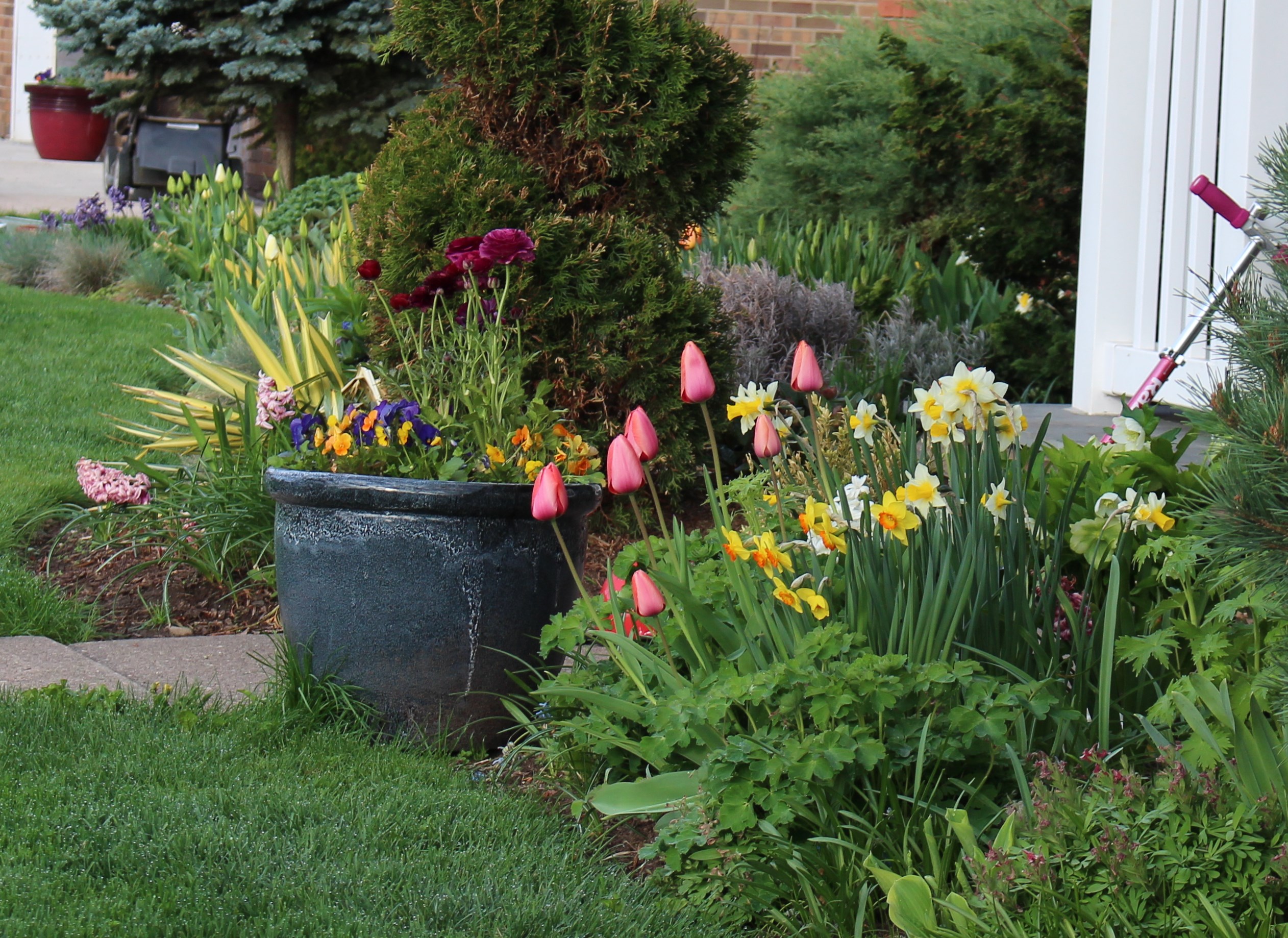
spring bulbs front entry

Tulips and daffodils where snowdrops ruled just a few weeks ago.  I should have taken this picture today since I mulched yesterday afternoon, but after all the work I was ready to just sit and relax!

I better wrap this post up.  Now that mulch sits in the middle of the driveway I’ve got plenty to do even from the non-gardening viewpoint.  And it’s not the fastest process since mulch needs to be worked in between sprouts and edges need to be tidied up…. and actually a bigger problem is that I’m coming up with all kinds of bed enlargements and side projects while I dilly-dally on finishing the main project.  I promised to trim back the yews along the side of the house, and this golden arborvitae just happened to show up in the lawn between us and the neighbor.  As long as I’m mulching, might as well create a nice big bed around it 😉

new perennial bed

new perennial bed

Let me get out there then.  Good luck on all your own spring projects, may they progress more quickly than my own!

A day of rest

Sunday being a day of rest I try to avoid too much noisy, heavy labor on this end of the weekend.  I don’t exactly deserve it since I did plenty of resting yesterday as well, but on this subject I will defer to the higher authority and take it easy.  With daffodils beginning their season it’s hard anyway to focus on serious projects.  The blooms are a great distraction on what thankfully turned out to be a warm sunny spring day.

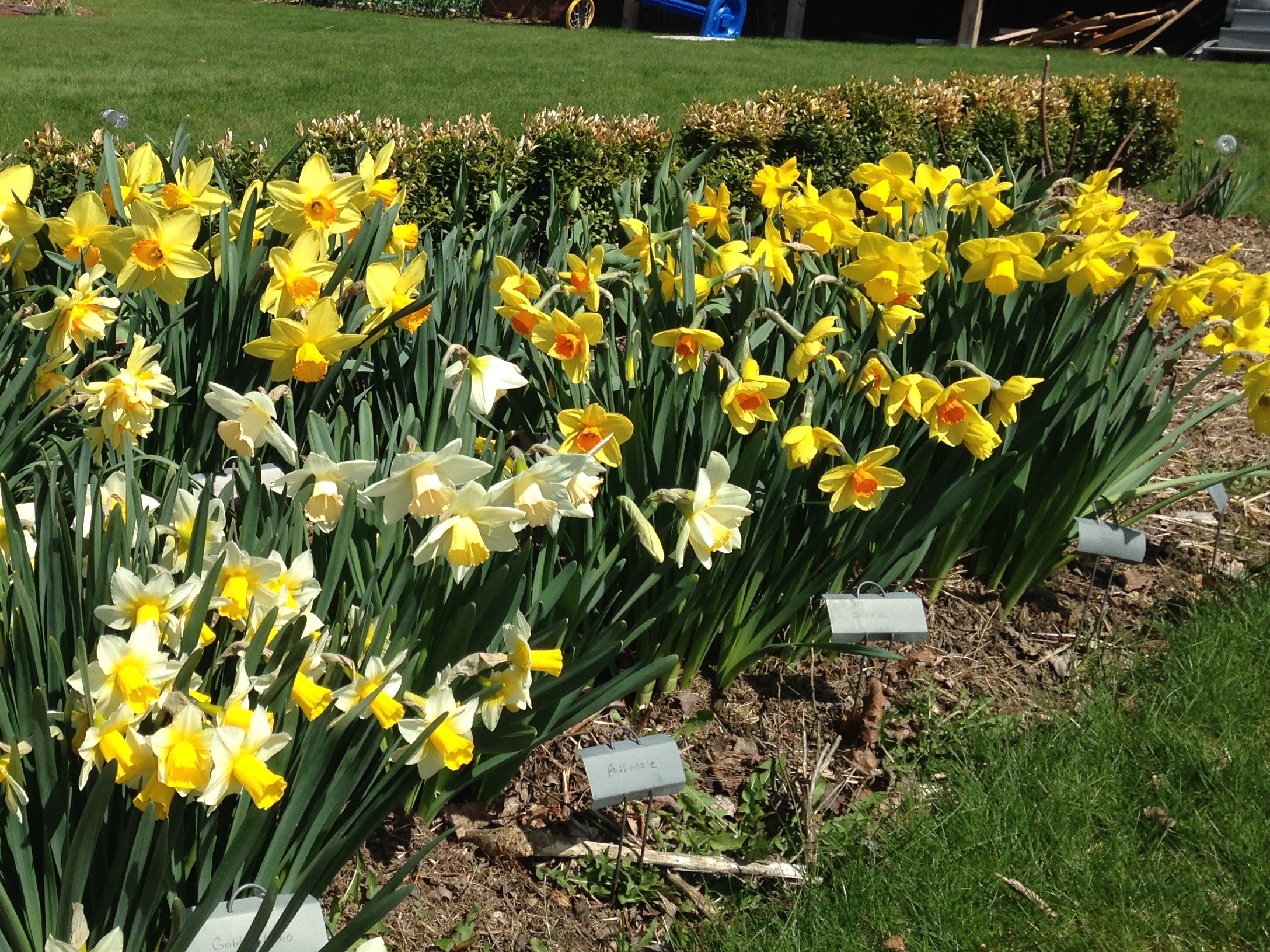
best daffodils

The vegetable garden is looking good in spite of its lack of vegetable space. My favorite daffodils deserve a good spot just as much as some bean or pepper plant.

I did manage to get a few things moving in the ‘potager’.  With so many flowers filling the beds, calling it “the farm” anymore seems a bit inappropriate.  Maybe a flower farm, but definitely not a hotbed for fresh produce.  I did find a few open spots for squeezing in a couple lettuce and broccoli transplants.  That should keep the rabbits happy.

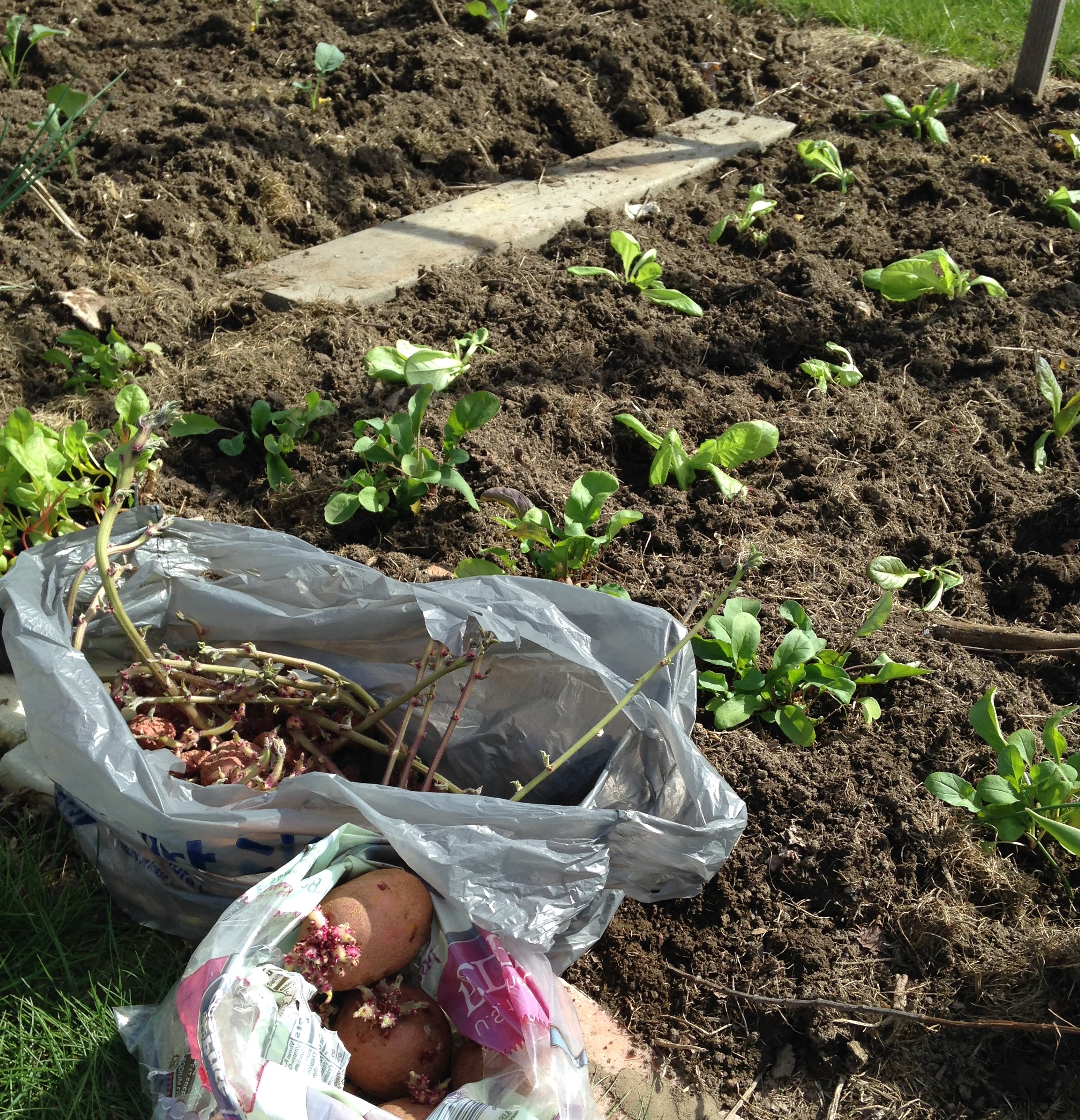
planting sprouted potatoes

Lettuce and arugula tranplants are in and hopefully will amount to something before temperatures rise. I also planted a few of the sprouting potatoes found in the back of the storage bin. Not a picture for the serious gardener but that’s how we roll here 😉

Covering all the vegetable beds with whatever mulch I could scrounge up (mostly shredded leaves and grass clippings from the lawnmower bag) has made bed prep a snap this spring.  I just stirred in whatever leaves were left of the top coating and popped transplants into the ground.  My little vegetable babies from under the growlights will hopefully make me proud in no time at all.

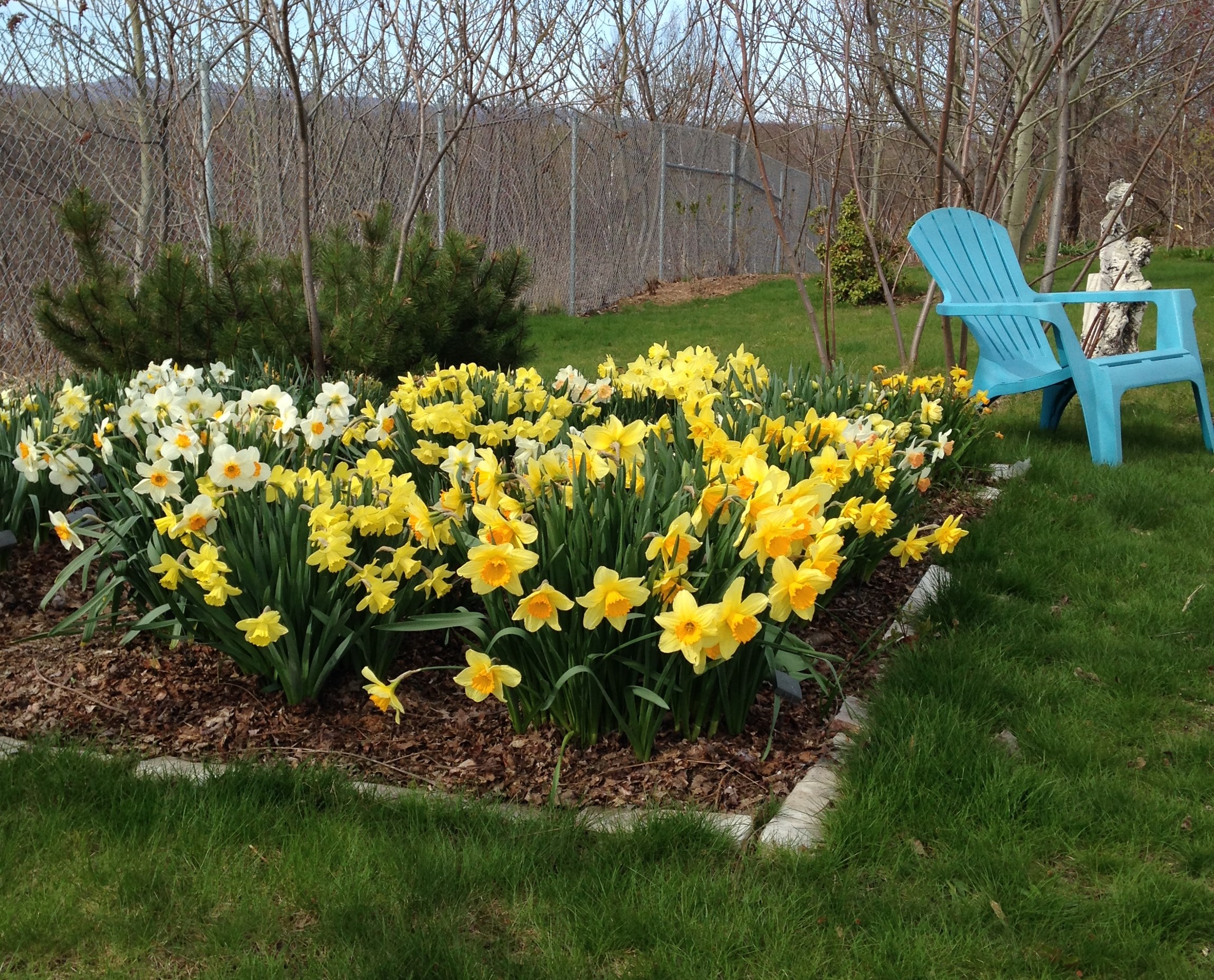
growing daffodils

I’ve given up on this vegetable bed, and the daffodils have completely taken over.  Note the empty chair.  Trust me it gets plenty of use 🙂

So I did get a little done yesterday to deserve a break.  Not exactly a lot by most standards but after waiting so long I hate to see the season fly by.  I want to soak up every minute and hope you can do the same as well!

I’m pretty sure there’s fiber in icecream

Many people wax poetic on the joys of homegrown produce.  The flavor, the nutrients, the connection with the earth…. all good things and all good for you (and deep down inside I agree) but on the shallow outside I’d still rather reach for a donut or chocolate bar rather than a carrot stick.  Vegetables just don’t make my heart go pitter pat.

Because of that the vegetable garden always walks a fine line between productivity and extinction.  I love the look of vegetables bursting from the soil, but the newly dug beds and open ground are just too tempting to keep free of flowers.  At this time of year it’s more of a flower harvest.

volunteer sunflower

Oddly enough a sunflower has come up in exactly the same spot as one grew last year. It’s the perfect spot actually, and I’m glad to have it!

The season starts innocently enough, and with a strong will I turn under all the persicaria and daisies and whatever else tries to sneak in.  I need room for delicious lettuce seedlings and broccoli transplants and the flowers just throw off my industrially neat rows.  Things go downhill from there.

dahlia tanjoh

Dahlias always seem to grow best in a vegetable plot and when you’ve got one or two extra roots it seems perfectly logical to sneak them in between the chard. This is dahlia “Tanjoh” which I barely noticed last year as it suffered under the shade of a wayward sunflower.

Harvest time is always a problem.  If the broccoli is ready it needs to be picked, and there are only so many broccoli-cheese omelets you can reasonably fit into a weekend.  Things go to seed and I’m strangely amused to see weeds such as lettuce, pumpkins, and chard popping up the next year.

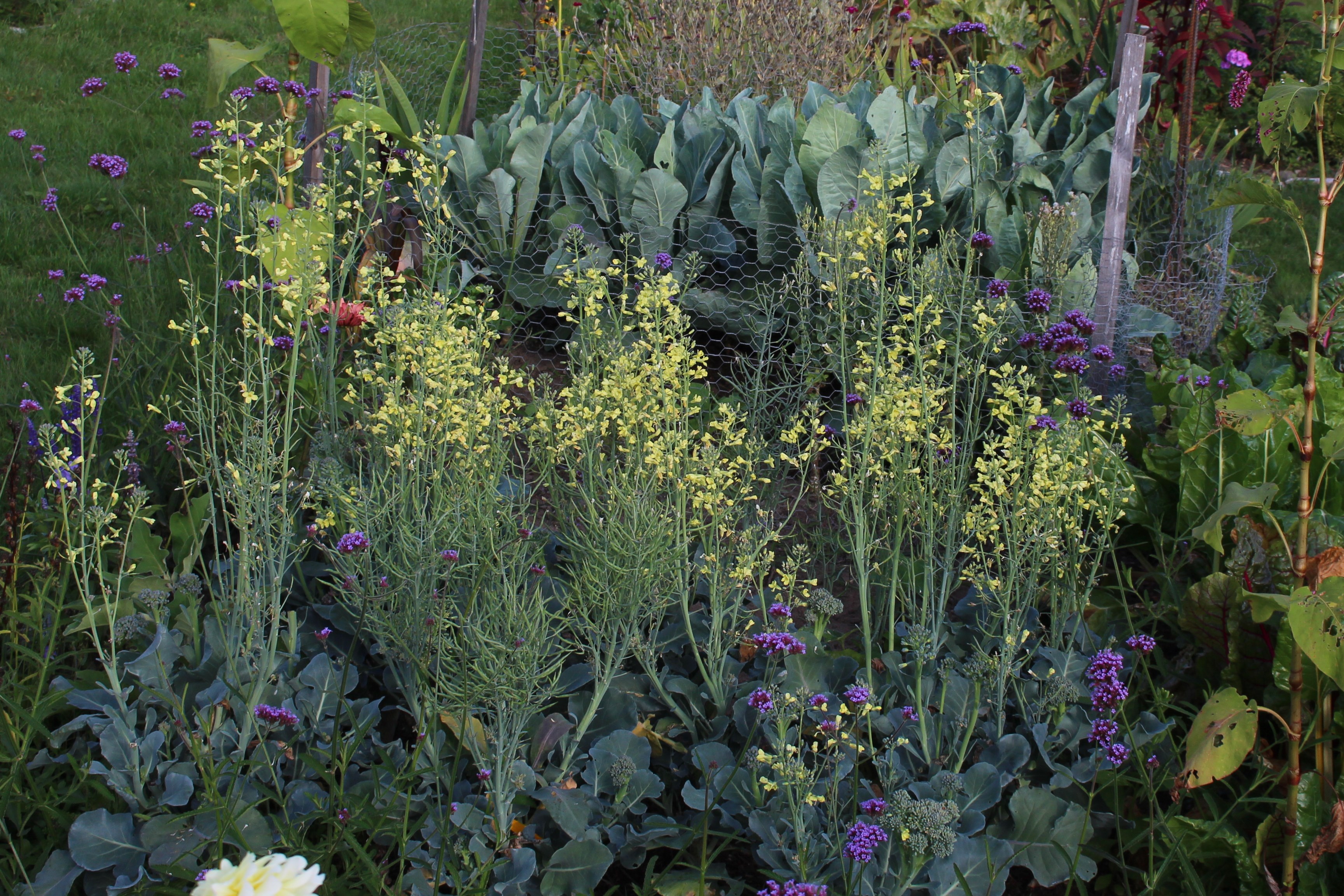
broccoli bolting

When you lose control the broccoli turns into a froth of yellow blooms and green rattail seedpods. Several of these plants were self-sown seedlings which just showed up from last year’s patch.

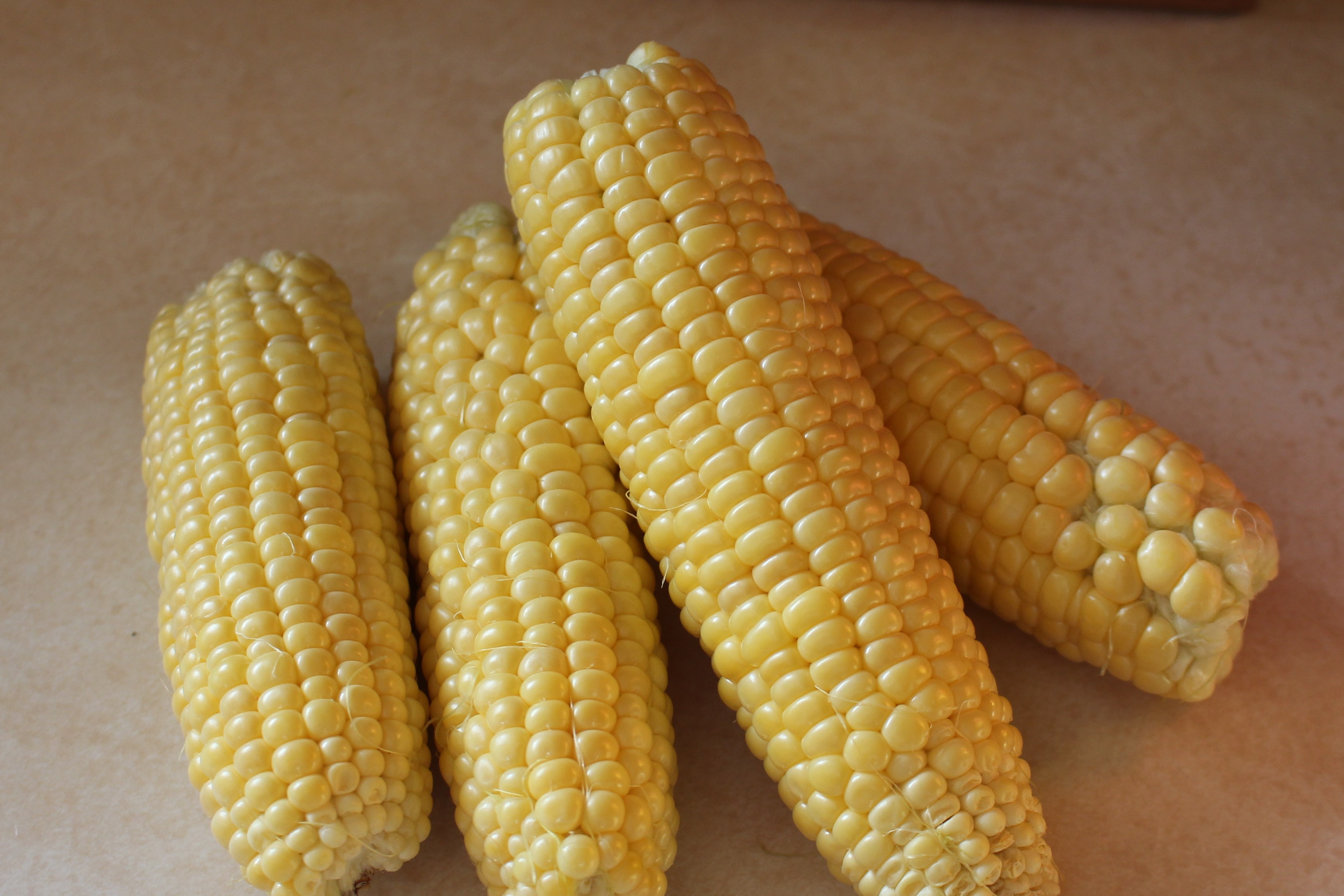
One of the sore points this summer was how often the sweet corn needed watering in our pancake-thin topsoil.  It seemed like every other day I’d look out there and see dry curled leaves begging for a little moisture.  Shockingly enough even after giving up in disgust the patch managed to produce a few deliciously sweet and flavorful ears.

freshly picked sweet corn

A space, water and fertilizer hog, freshly picked sweet corn is still worth the trouble (I guess). But it’s a tough argument when the supermarket has 6 perfect ears for $2.50 and mine probably cost me that much just for the seeds!

Another producer was a trellis of pole beans (which called it a year after being blown over in August).  Beans are nice on a trellis, but the kids appreciate “love in a Puffs” much more than bean salad.

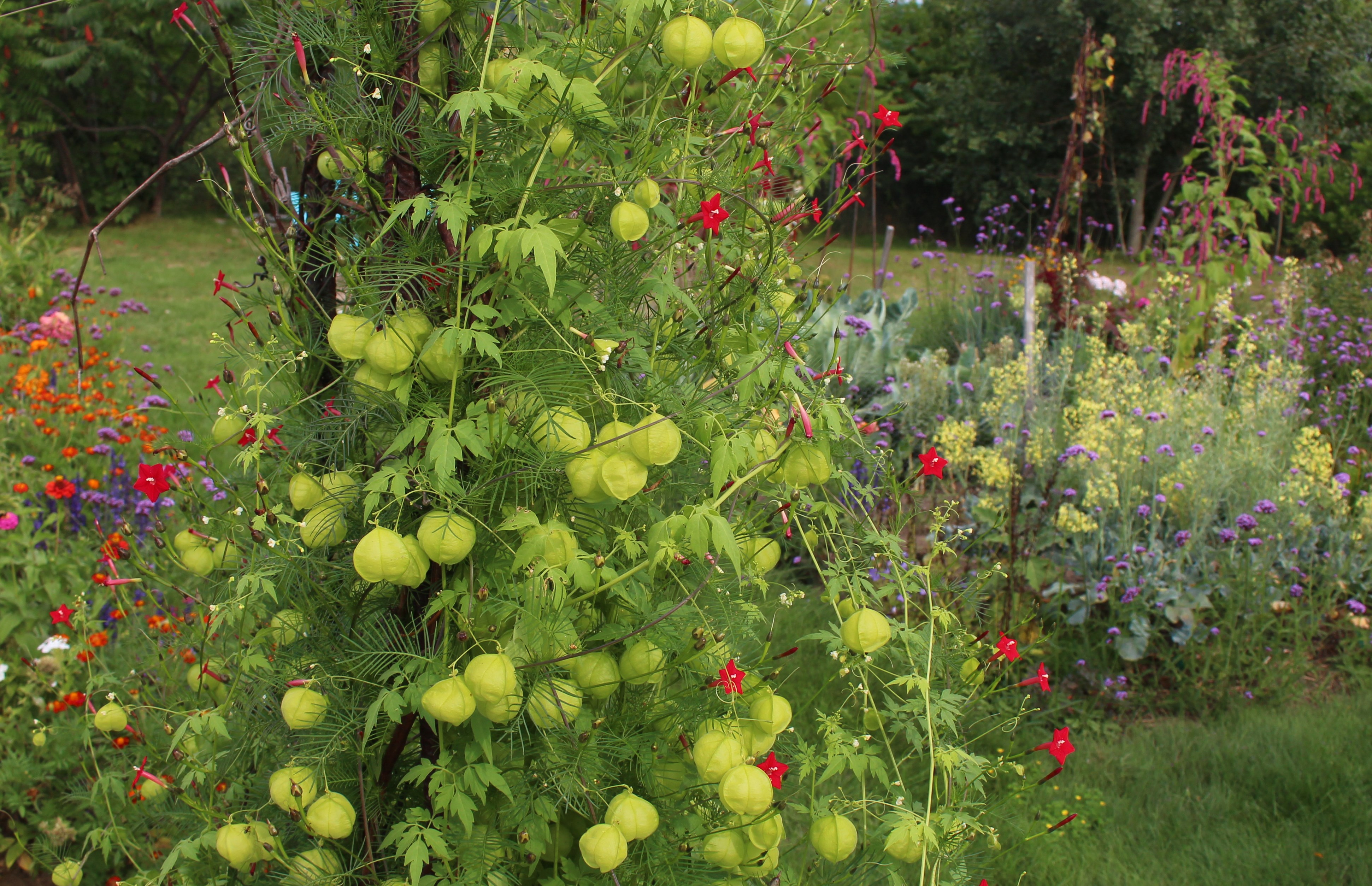
love in a puff and cypress vine

The pale green balloons of love in a puff (Cardiospermum halicacabum) with the ferny green leaves and red flowers of cypress vine (Ipomoea quamoclit). Both conveniently reseeded here at the base of the trellis from last year, something to keep in mind if you don’t like volunteer plants.

The kids share the love by picking the puffs and having a puff-fight but the real reason behind the name is found inside the puff on each of the vine’s black seeds.

love in a puff seeds

A white heart forms on each seed, a kind of ‘belly button’ from where the seed was attached to the plant. Glad my hands were clean for this one 🙂

There is plenty of ‘real’ harvest that comes from the patch.  Tomatoes never fail, even the fussier heirlooms, and here is a huge cluster of “Kellogg’s Breakfast”.  In a rare second appearance in a single blog post (I hate having myself show up in any pictures), I left my hand in there to show just how big the fruits are.  2 lbs, 14 oz for the pair in case you’re interested.

Kellogg's Breakfast tomato

Kellogg’s Breakfast tomato

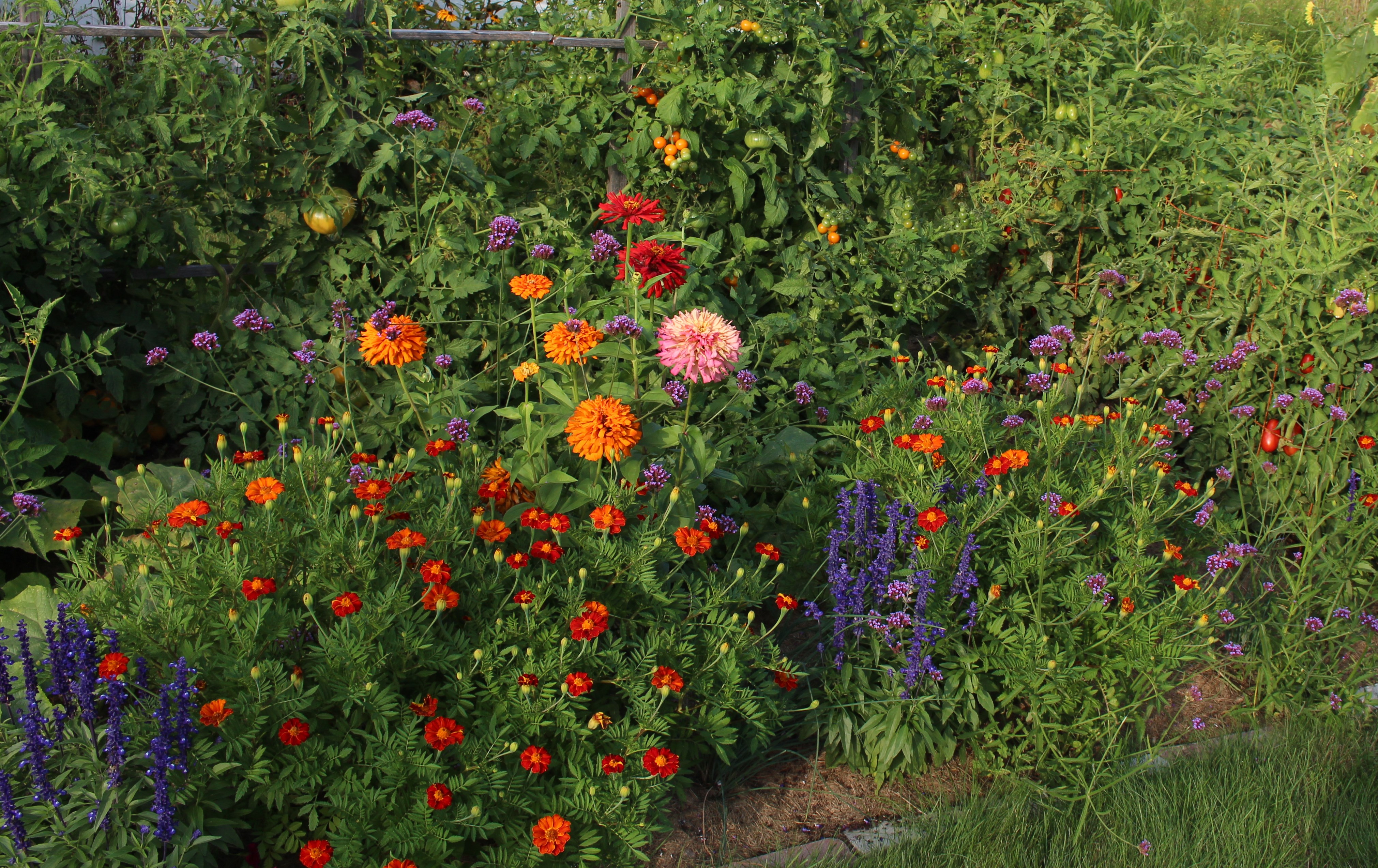
When I finished planting the tomatoes I couldn’t resist adding a border of “Moldavian” marigolds (from Nan at Hayefield) and a few stray salvia and leftover zinnia seedlings.  Might as well since the other side of the bed is edged in hellebore seedlings.

zinnias, marigolds, and blue salvia

A vegetable garden is the perfect place for bunches of annuals that might not find a place in the rest of the garden. The brownish orange of these “Moldova” marigolds might be hard to fit in somewhere else.

And did I mention I like phlox?  When you’re faced with a few new ones to plant and you’ve given absolutely no forethought to where they’ll go the vegetable garden makes everything better again.

phlox kirmeslander

Just coming into bloom now, phlox “Kirmeslander” seems almost too summery a color for the autumn-golds and yellows which are starting to appear.

With the season winding down one would think the vegetable patch would be safe, but fall is actually the most dangerous time of year for vegetable space.  After you pull up a dead, mildewed patch of zucchini the vacant spot almost begs for a few tulips or daffodils which you can’t find a space for elsewhere.  No worries though, I’m sure they’ll die down before I need the room for peppers!

Oh and I think the colchicums look nice blooming between the sweet corn stalks 🙂

Restless Woodchuck

The monarchs have been the only major migration to move through our yard in these fading days of autumn, one calm day brought over a dozen to feed on the verbenas that dot the vegetable garden, but it passed quickly and we are back to being a butterfly desert just like we were all summer.  It’s still too early for the lines of geese to cross the sky as they dodge freezing weather further north and head to the warmer waters of the south….. but I guess it’s the perfect time for young groundhogs (or woodchucks) to scurry on off and find new territories to invade and set up camp in as they hunker down for their winter sleep.  Cole crops seem to make a perfect pre-hibernation snack for a traveling brush hog.groundhog damage to cabbages

However cute this guy might be I do not want him setting up shop in the yard permanently.  In the old neighborhood there were enough shotguns around to take care of this, but up here it’s a different story.  Fencing him out will likely be an expensive, futile effort so I imagine a trap will be in order for spring.  In any case it looks like I can put away that rotkohl recipe, these cabbage and cauliflower leftovers will only end up feeding the compost pile.

Welcome to Fall

Now that autumn is here I have officially given up on watering the garden.  The cooler temperatures are not as deadly as the summertime heat, and the rain we had a week ago should be enough to keep things alive.  So things are on their own for a while.

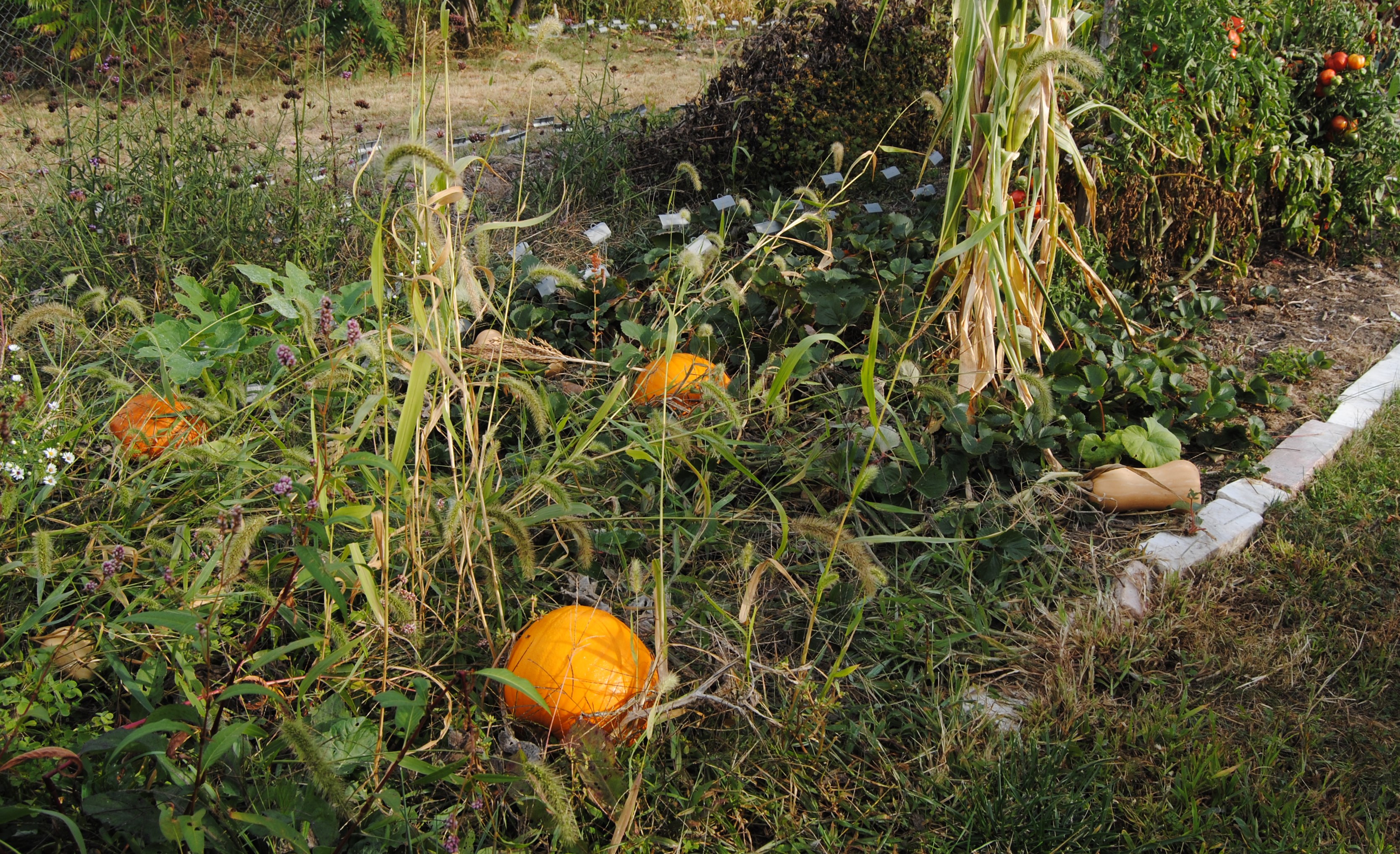
Most of the vegetable garden is done anyway.  Yesterday I let the kids pick the pumpkins and decorate the porch for Halloween.pumpkin patch

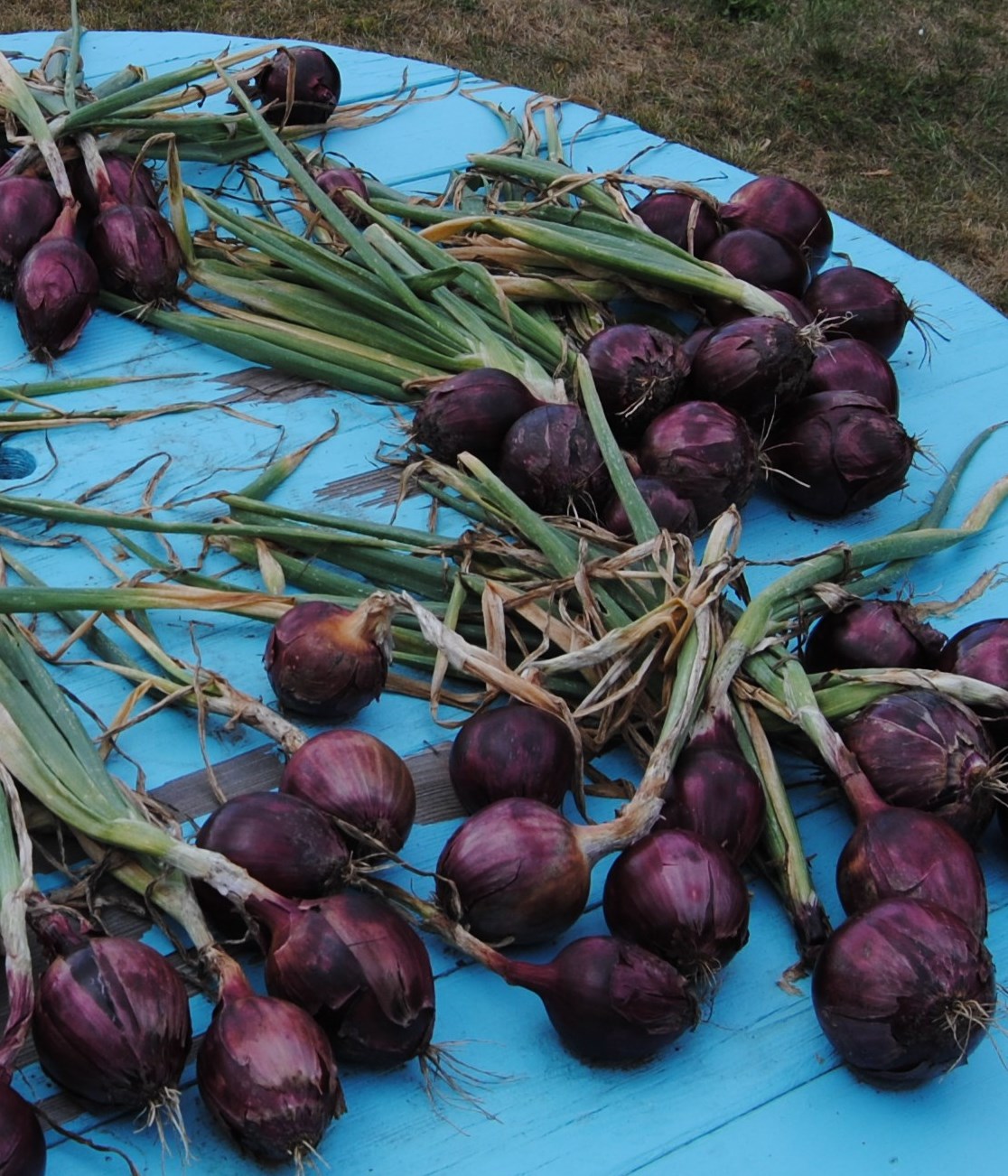
red wing onion harvestThe ‘Red Wing’ onions were also harvested as well as the last of the eggplant.  This pretty much finishes up the garden for the year (with the exception of a few peppers and a single brussel sprout plant).  It’s a shame the dry weather sapped all my enthusiasm for a fall planting, the idea of a fresh lettuce harvest right about now sounds very nice.

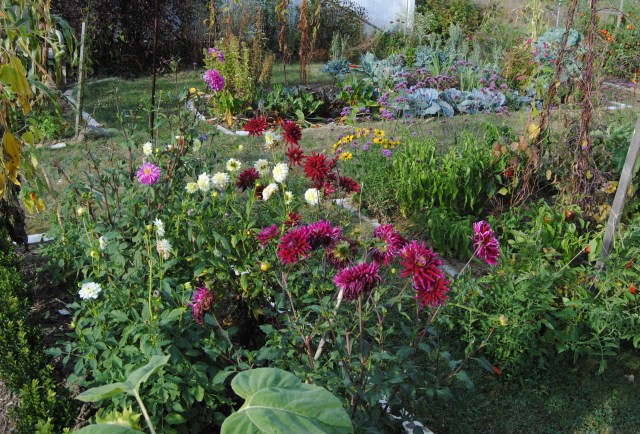
Despite the end of regular watering, the dahlias continue to put out flowers and carry on.  But they are beginning to look tired, and anytime the sun gets strong the leaves wilt.  Just about everything looks tired.dahlias in the vegetable garden

sunset colored dahliaThe only dahlia that actually looks better now is this one.  I need to look up the name, but the color that looked awful in July shines in autumn.

In case you haven’t already picked up on it, the vegetable garden tends to become a flower garden as the season progresses.  Any gap in the plantings quickly fills with self sown verbena, Persicaria orientalis, and amaranthus ‘hot biscuits’.  The amaranthus has a weedy look that not everyone appreciates, but I like it, and have been very generous with spreading the seedlings throughout the yard.  At this time the seedheads seem to glow in the autumn sun.the late summer vegetable garden

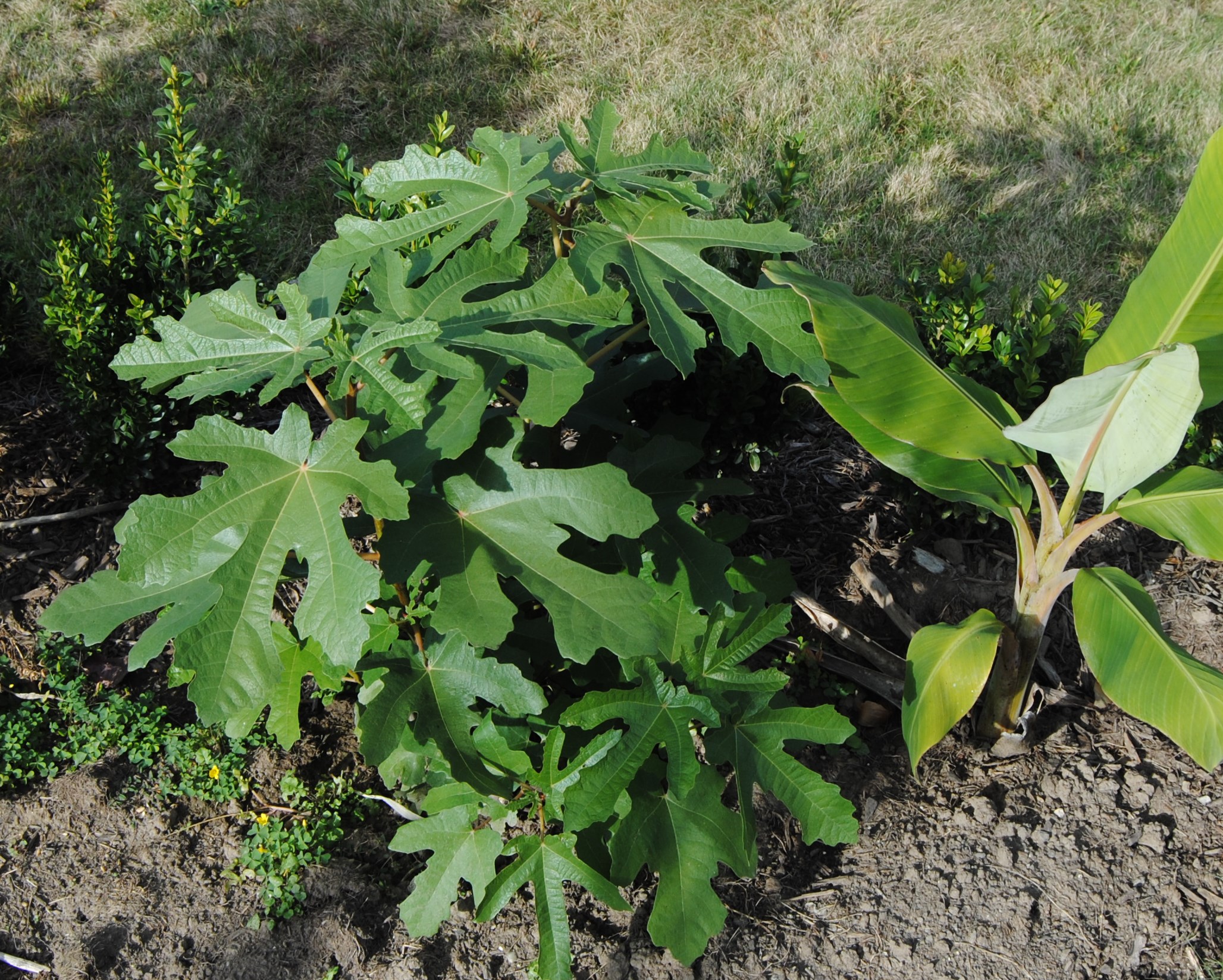
"phoenix" the fig returned from the ashesThe glow of autumn light is a signal to start thinking about protecting the tender plants for winter.  My fig has had a troubled season.  It spent the winter in the dark of the garage and began sprouting in January.  The sprouts dried off by March but then a few pots of water brought some new shoots for April.  By May I decided to use its pot for other, healthier looking plants, and while the fig waited for a new home (perched with rootball exposed on a spare saucer) it died again, this time I thought for good… on to the compost pile it went.  But like cats, apparently figs have several lives.  Around July I noticed a few sprouts coming up out of the compost and upon investigation found the fig root ball to be the source.  Finally it was given a decent home, and it’s grown this year without any resentment.  Now what to do this winter…..

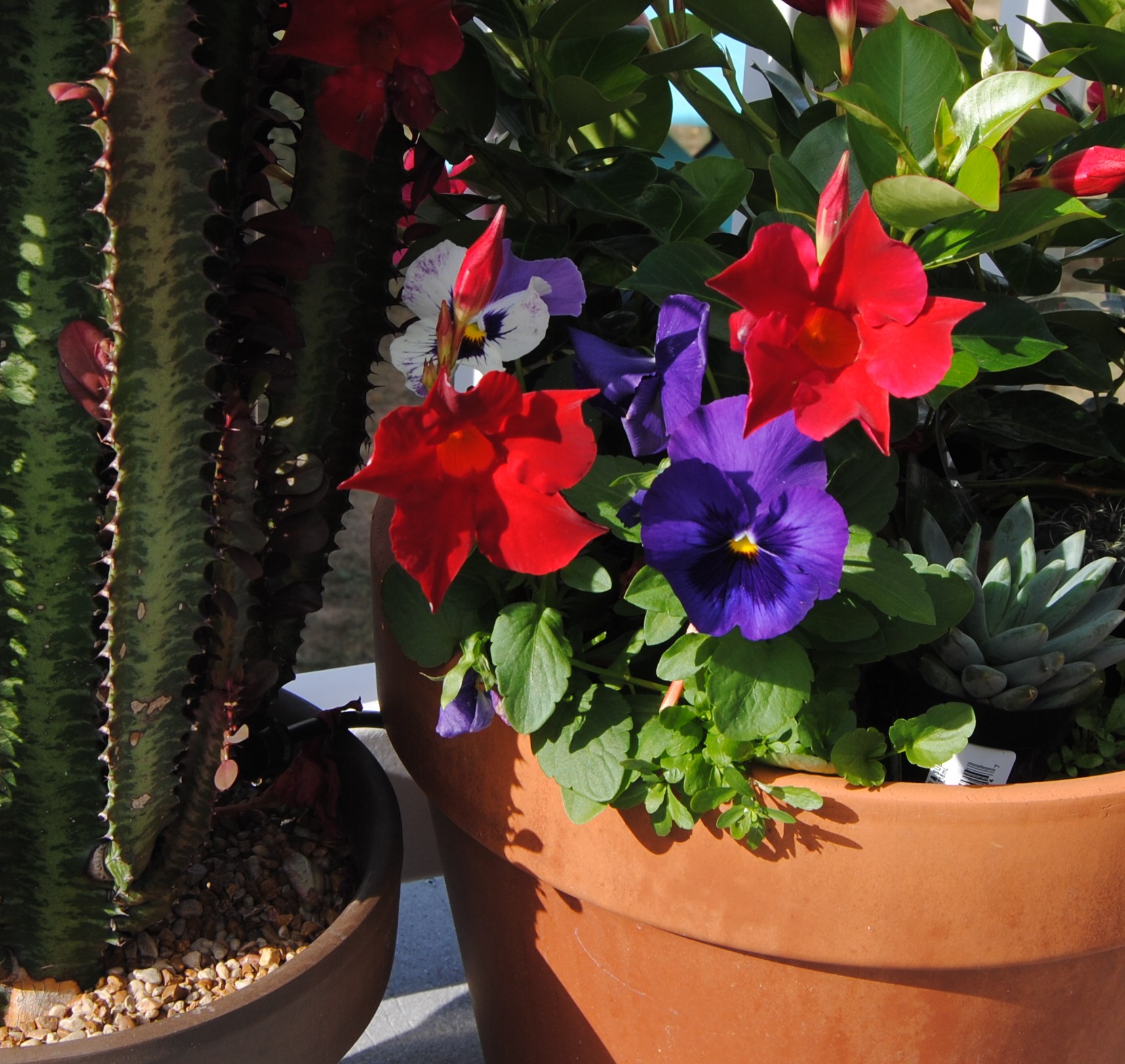
red Dipladenia with pansiesAlso needing a winter home are the tropicals on the deck.  Even though I only paid three dollars for this red dipladenia, I can’t let it die!  So either the dipladenia or the pansies will need to be repotted and brought in.  I would have never thought of this combo, but pansy seeds do their own thing.

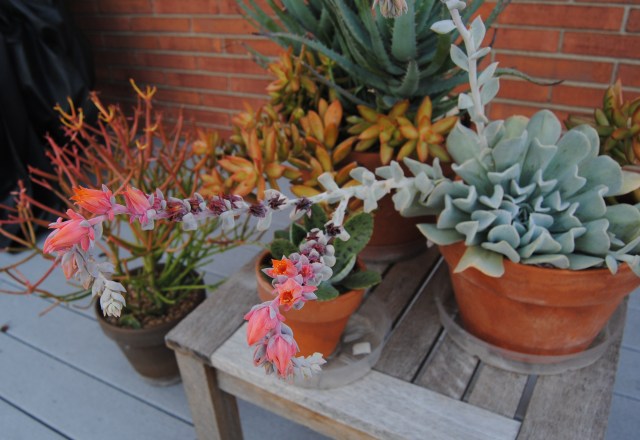
I don’t even want to think about the rest of the non-hardy deck plants.  They’re growing and blooming and doing well in general even though I never got around to any of the summertime repotting or transplanting I had planned.blooming succulents on deck

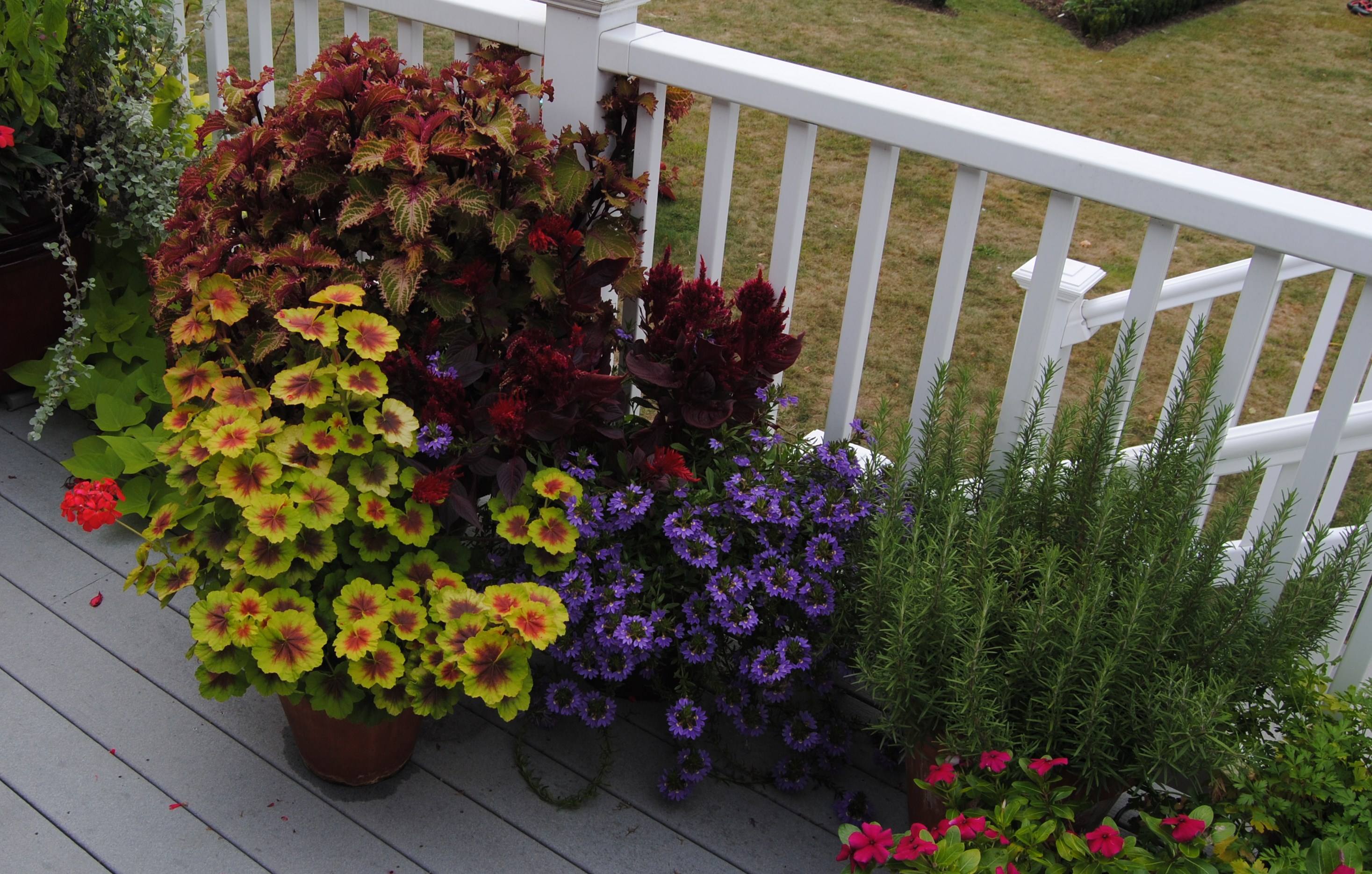
 The geranium should hang on in the dark of the garage, maybe the rosemary, but I’ll need someplace warmer for the coleus.early fall planters on the deck

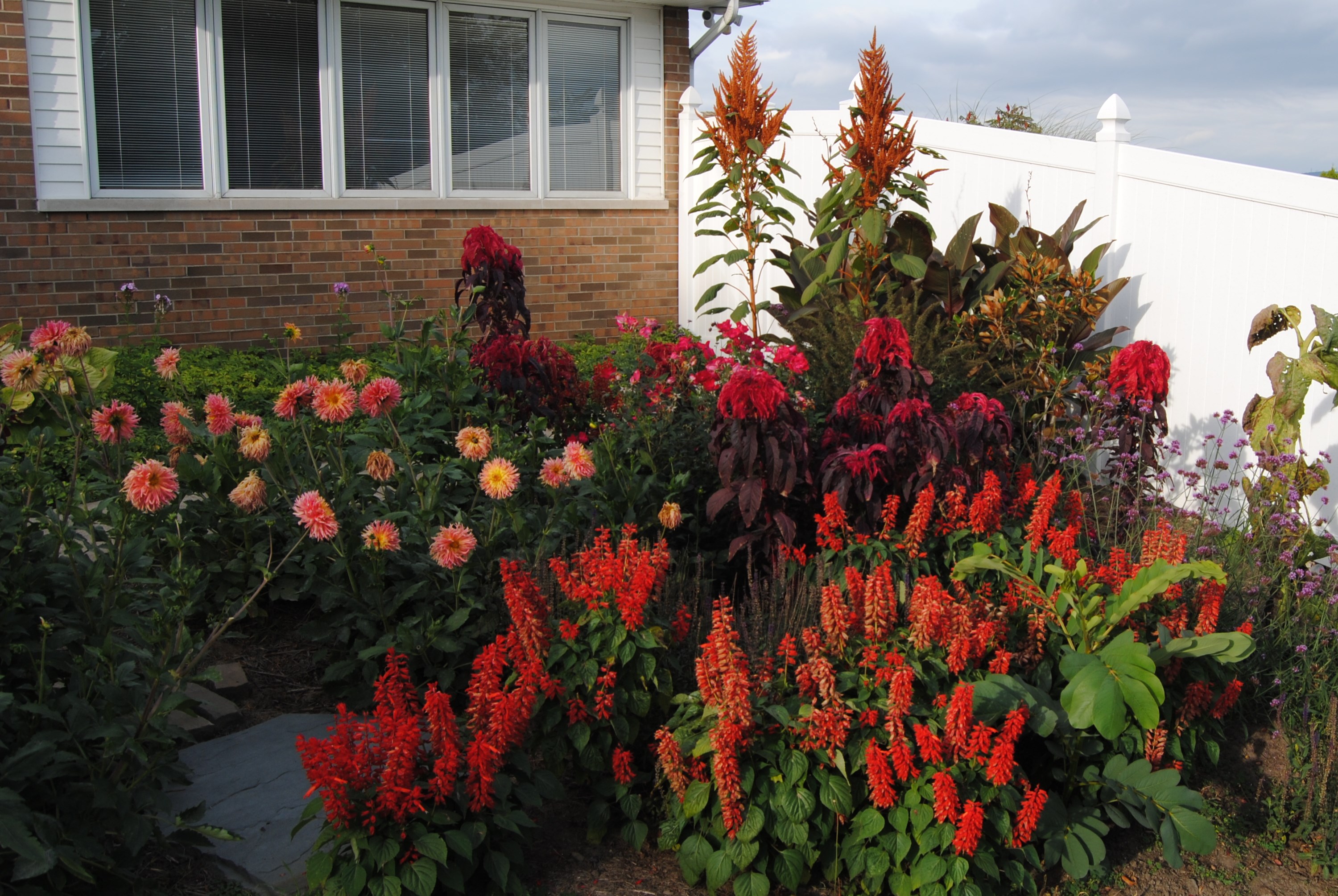
Fortunately the tropical garden survives the winter by seed or stored tuber.  No windowsills needed for this end of the garden.red themed tropical garden

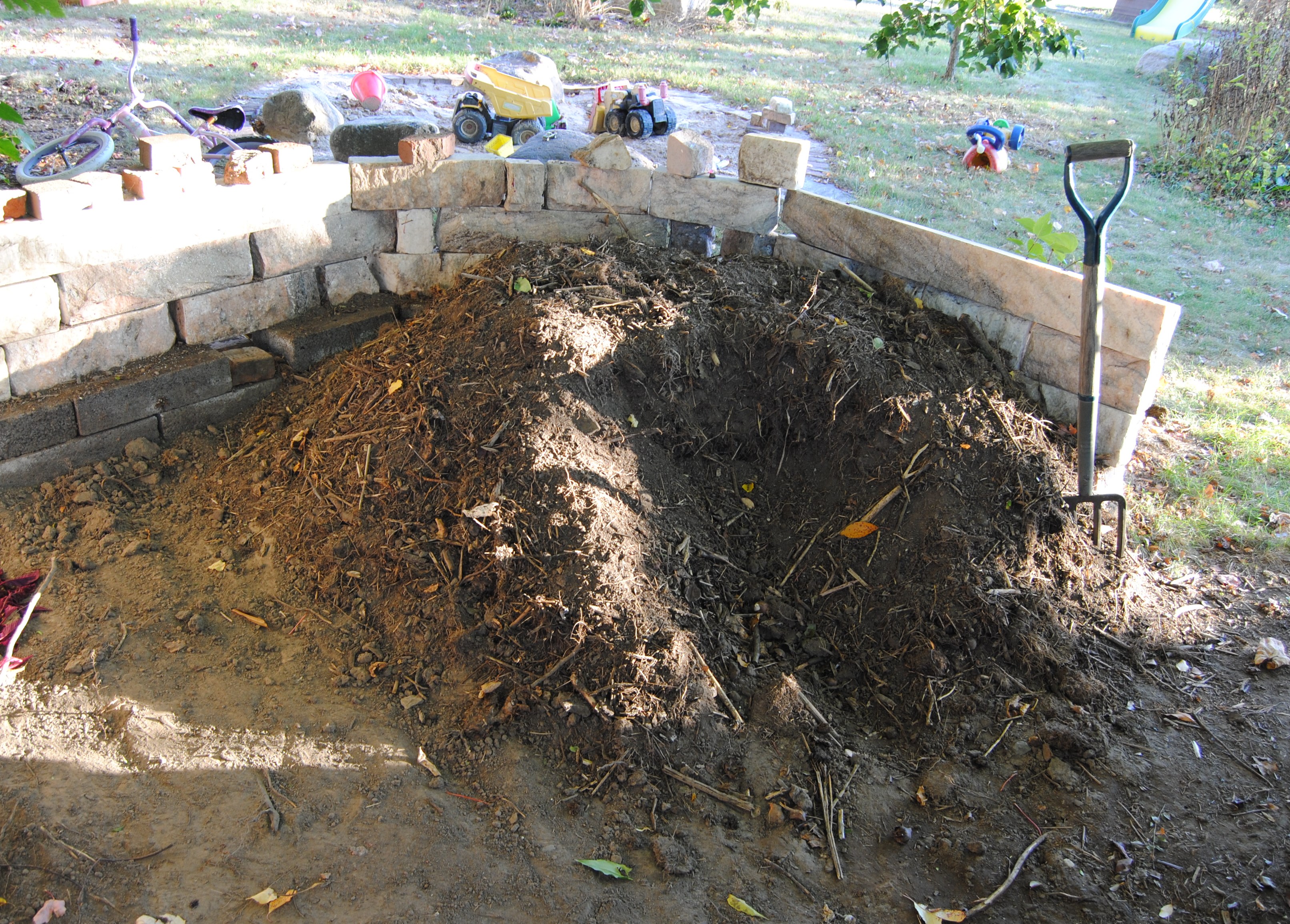
the freshly turned compost pile…and I’m finally getting some work done instead of just sipping drinks in the shade.  The compost pile was turned and a bonanza of “god enough” compost was found underneath.  It’s as dry as a bone in the pile, so I’m surprised there was any decay going on at all, but the plants will love it and I’m grateful for any scraps I find.  the question will be “who gets it?”

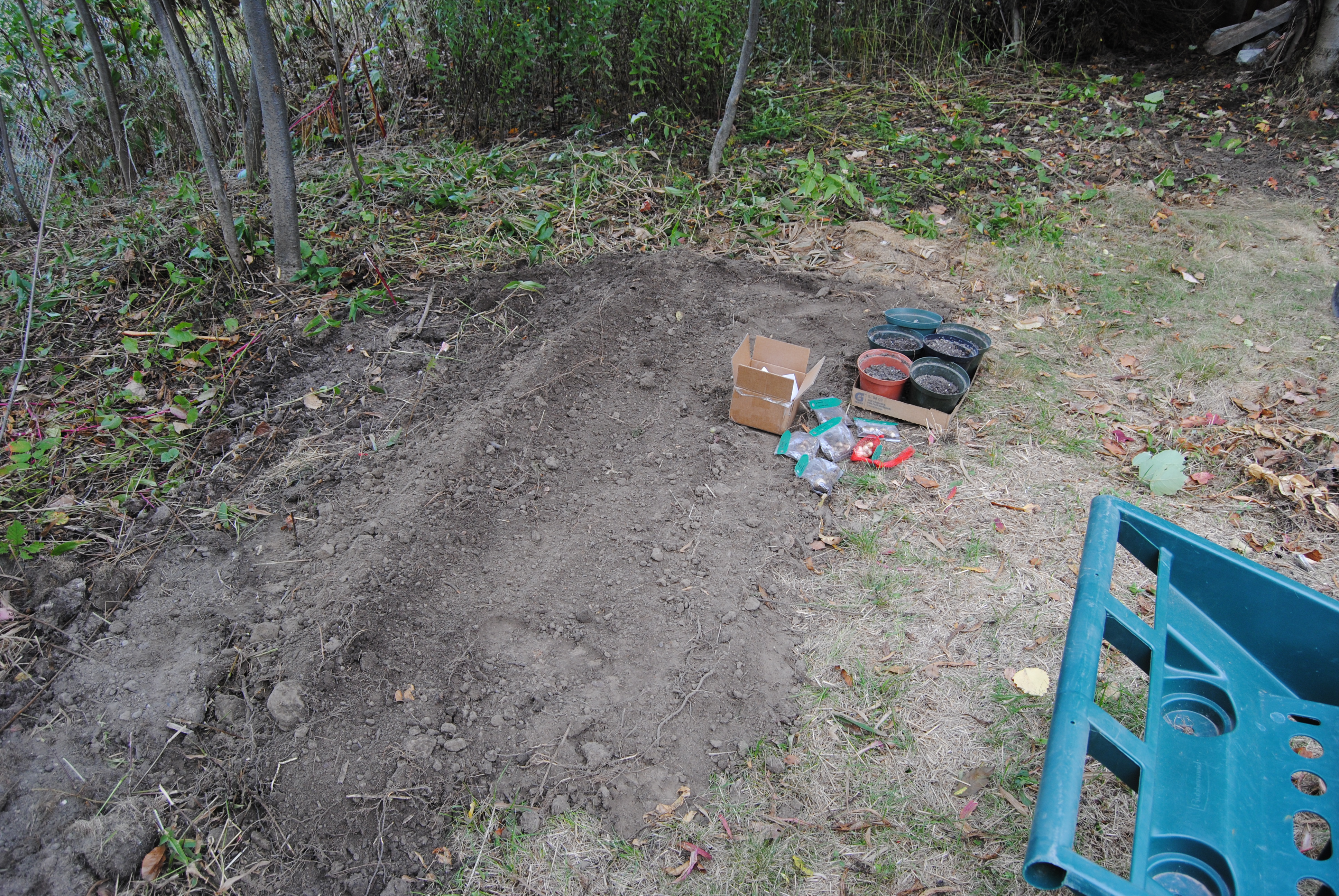
Actually there’s no question, my favorite new bulbs always get the scarce compost.  Here’s the newest bed in the back of the meadow.  A privet hedge (luckily privet isn’t invasive here) is planned for along the fence, and a snowdrop (galanthus) bed will get its start here.  I’ll bore you with the varieties next spring but for now here’s a picture of my usual low work (ie lazy) bed preparations.new bed for snowdrops (galanthus)A couple inches of topsoil from elsewhere in the garden is spread out, bulbs are pressed down into the raked surface, a few inches of compost is used to top off and cover.  The compost I used has a good amount of soil mixed in, but if it was more organic I’d cover the bulbs with a layer of garden soil too.  They should be just fine here, and I’ll give them a good mulch of chopped autumn leaves once they come down.

I celebrate fall with bulb planting, I love getting the bulbs nestled down into the earth for next spring, I just wish the soil wasn’t so unfriendly and dry.
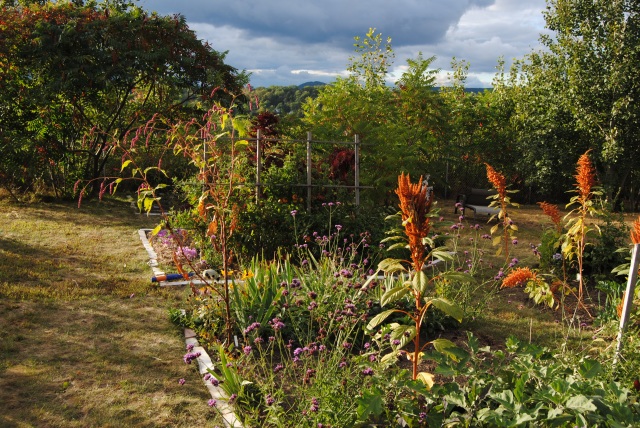
Pur Pur Purple

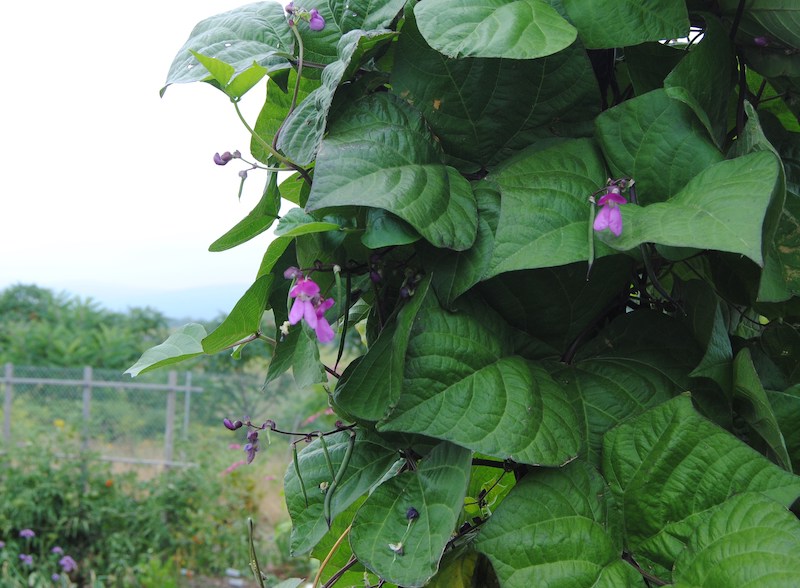
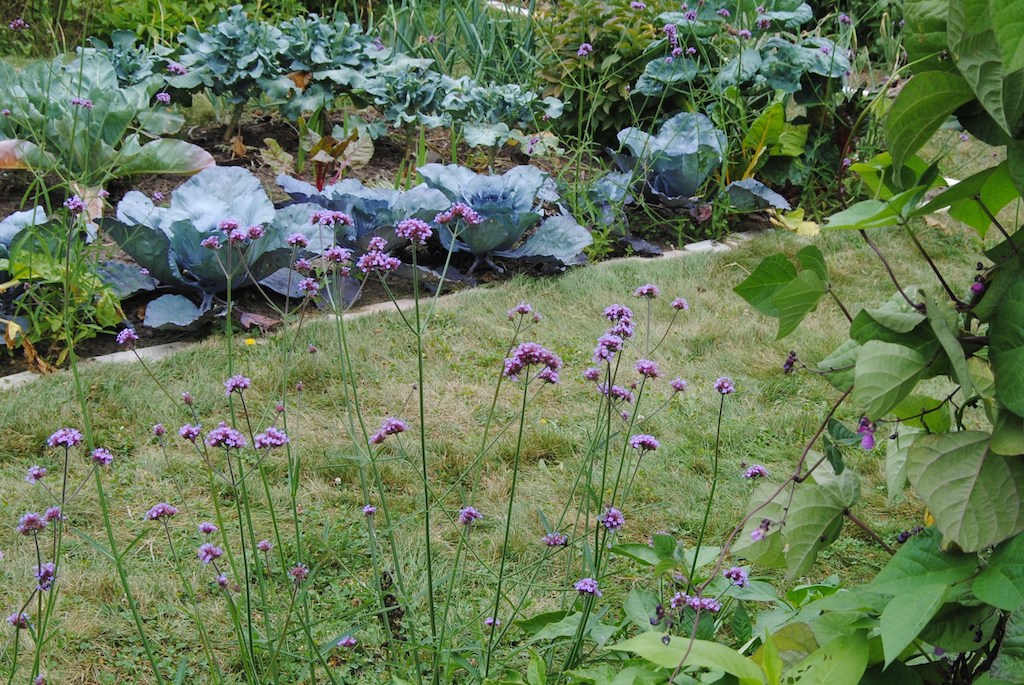
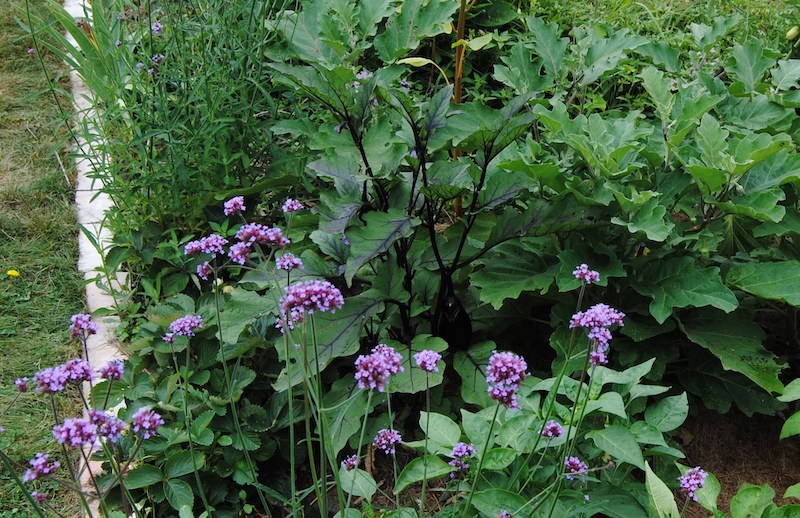
Something weird must have been going on last winter while I was picking out the veggie seeds for this summer… or maybe there’s something weird in the water…. in any case there’s a definite purple tinge to the vegetable garden this year.  I knew that these heirloom ‘Trionfo Violetto’ pole beans would be purple, but I chose them for the meaty, nutty flavored, stringless beans they produce.  They turned out great, but whether it was temperature or bird attacks, it took them a while before the blooms started setting little beans.purple vegetable gardenI rip out bucketfulls of the volunteer verbena bonariensis every year, but even after the carnage stops there are still plenty of their airy purple flowers throughout the garden.  They go good with the beans, but also match the ‘Ruby Perfection’ red cabbage on the other side of the path.  I never realized how purple red cabbage is until this year.purple vegetable garden

The verbena also picks up the black-purple of the ‘black egg’ eggplant.  Although the cold spring made for a slow start to the eggplant season, they’ve hit their stride now and are putting on decent sized fruit.  The ‘Black Egg’ is turning out to be productive and tasty even though I’d rather the fruits were a tad bigger.purple vegetable garden

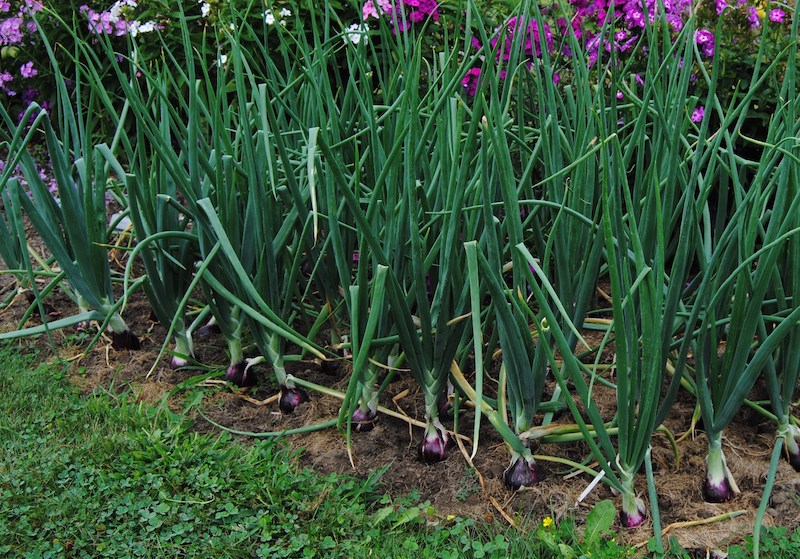
The ‘Red Wing’ onions are also doing great.  They’ve sized up more  since I took this picture and the purple flush of the bulbs matches up nicely with the purple phlox. purple vegetable garden

There are regular green beans and yellow onions, but for some reason they haven’t done nearly as well as the purple versions.  Go figure.  It makes me wonder if I could ever get organized and disciplined enough to have color coordinated vegetable garden.  In my case I doubt it, but it reminds me that vegetable gardens can look good too and if you ever want to give it a serious go check out some of the books by Rosalind Creasy.  She wrote the book on edible landscaping (plus a few others!) and her gardens really are amazing.
Vegetable update

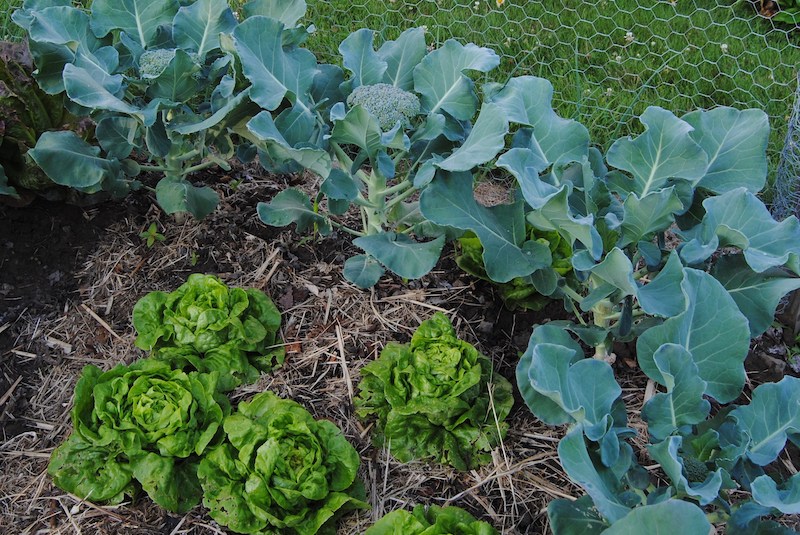
I have a few hours this morning and rather than get some real work done I wanted to give a quick vegetable garden update.  We’ve been picking lettuce from the deck planters and now also out of the fenced garden area.  This “Matina Sweet” butterhead is tasty and if you look closer to the fence you’ll see the first two “Packman” broccoli are ready…. even though I’m not exactly sure how to tell when broccoli is fit for harvesting.spring vegetables

Last year’s broccoli went towards raising a healthy, vitamin rich, wild bunny population, this year the fence has really made a difference.  Too bad it doesn’t keep out my newest pest- slugs.

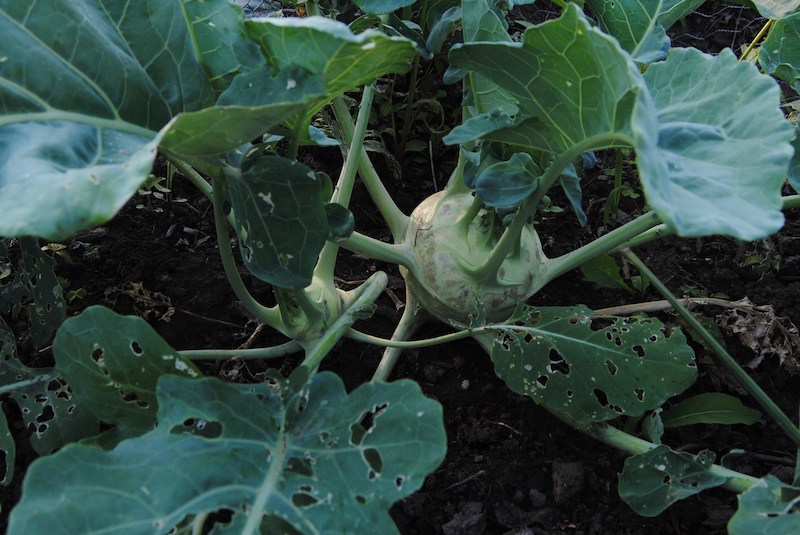
Here’s a slug chewed kohlrabi.  I hate peeling anything off these super fresh home grown veggies, but this one will need it.spring vegetables

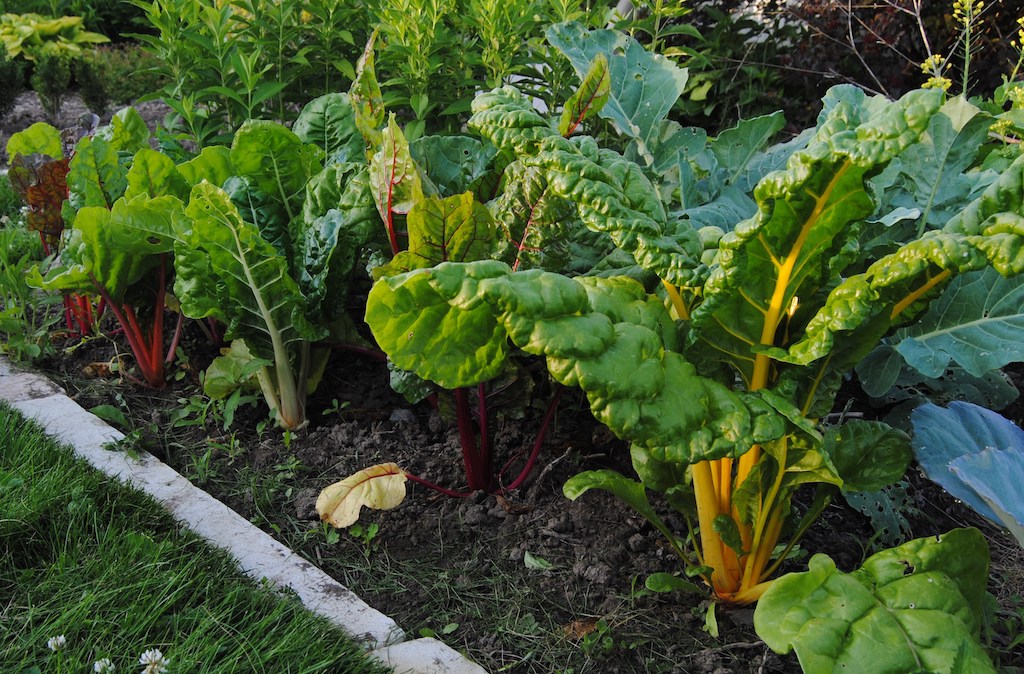
The “Bright Lights” swiss chard looks good enough to eat.  I cheated and prestarted in pots, that way when planting out the colors could be arranged 🙂spring vegetables

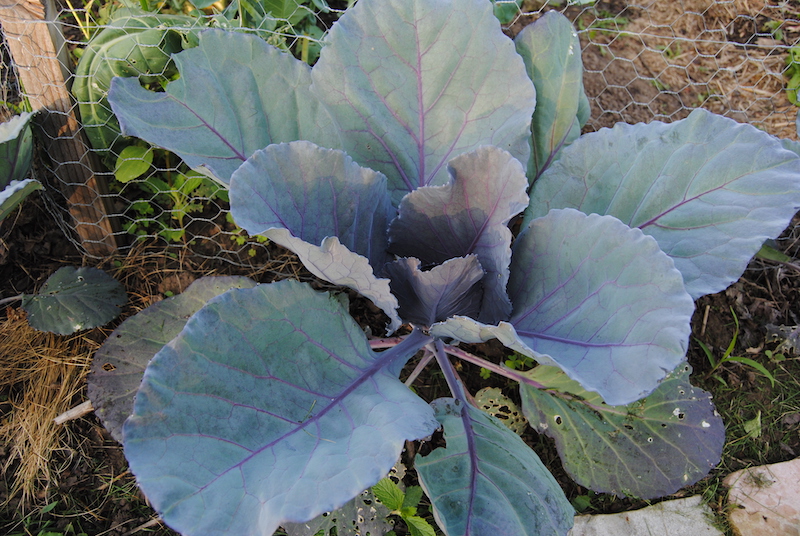
I just like the looks of red cabbage.  Better soil would have done this plant good but it’s not bad considering the only fertilizer for this bed was the bag of chopped maple leaves dug in during spring planting.  I did break down yesterday and gave everything a dose of miracle grow, we’ll see what that does.spring vegetables

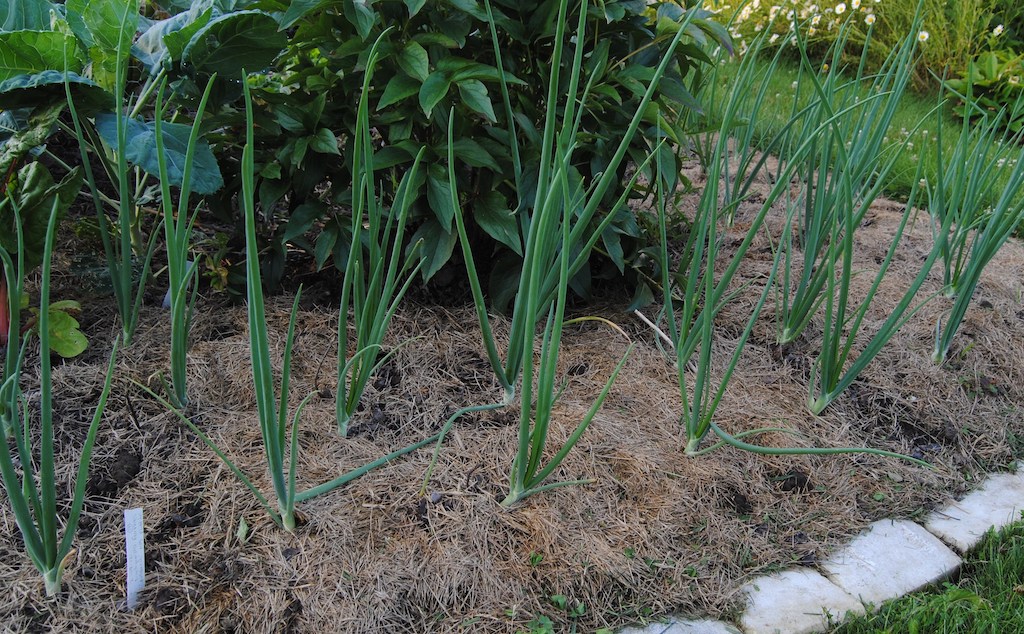
Onions look good, I just hope they make it in spite of my late planting.  They still have a way to go….. if worst comes to worst I guess we can try passing them off as tiny gourmet pearl onions or something.spring vegetables

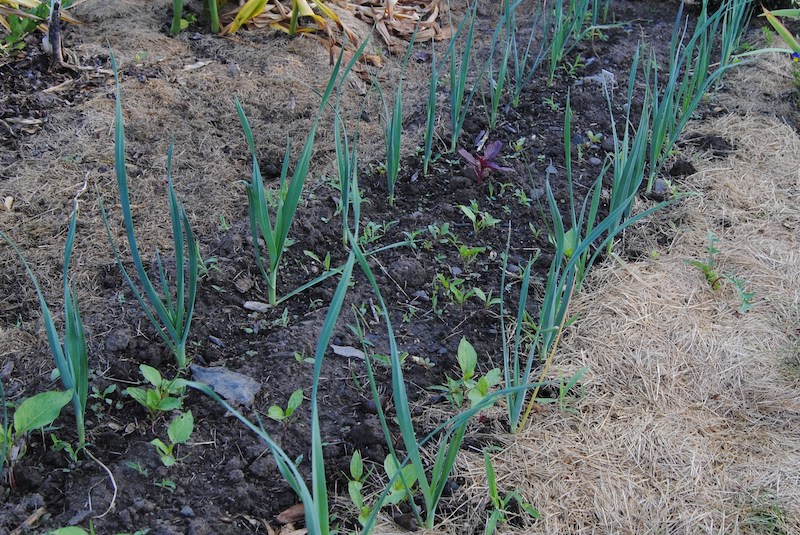
“Lancelot” leek.  We’ll see if anyone eats these, they’re new this year, but at least they have all year to get to a good size…. unlike the bulbing onions which will die back and bulb up once the days get short enough.

spring vegetables

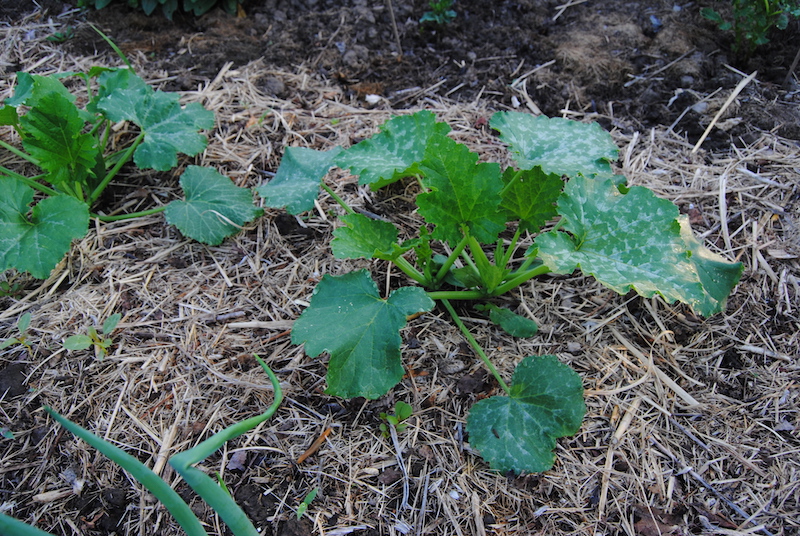
The zucchini seeds are up and growing fast now that summer temperatures are here.  If I had more room it wouldn’t be a bad idea to put in a couple new seeds for a late summer crop…. just in case the vine borers kill off this batch.spring vegetables

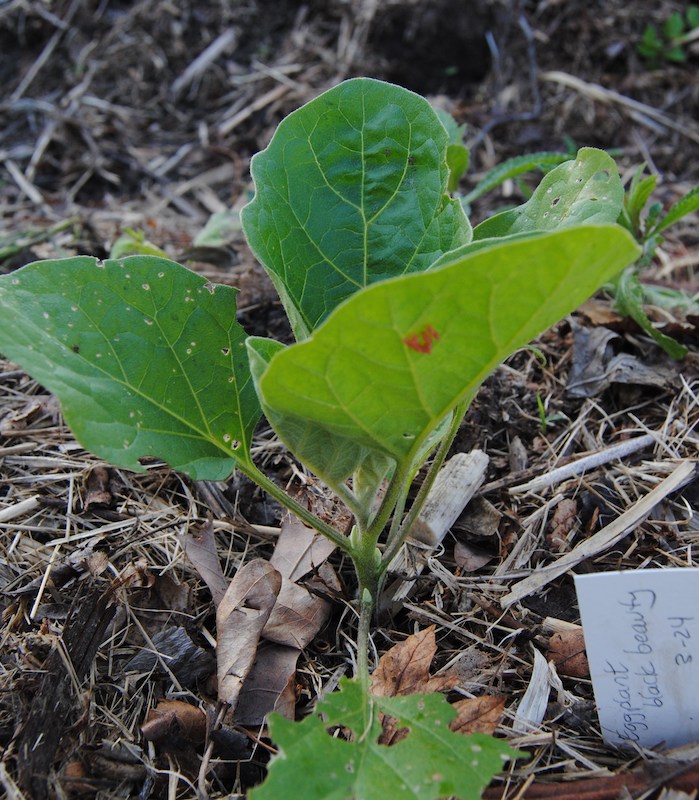
spring vegetablesPole beans, bush beans, corn, peppers…. all are starting to come along but for some reason the eggplants are a bit sluggish this year.  Just a few inches tall and they’ve got to deal with flea beetles and the little holes they make, plus some random bug (unfriendly I’m sure) leaving a batch of orange eggs….. possibly potato beetles….

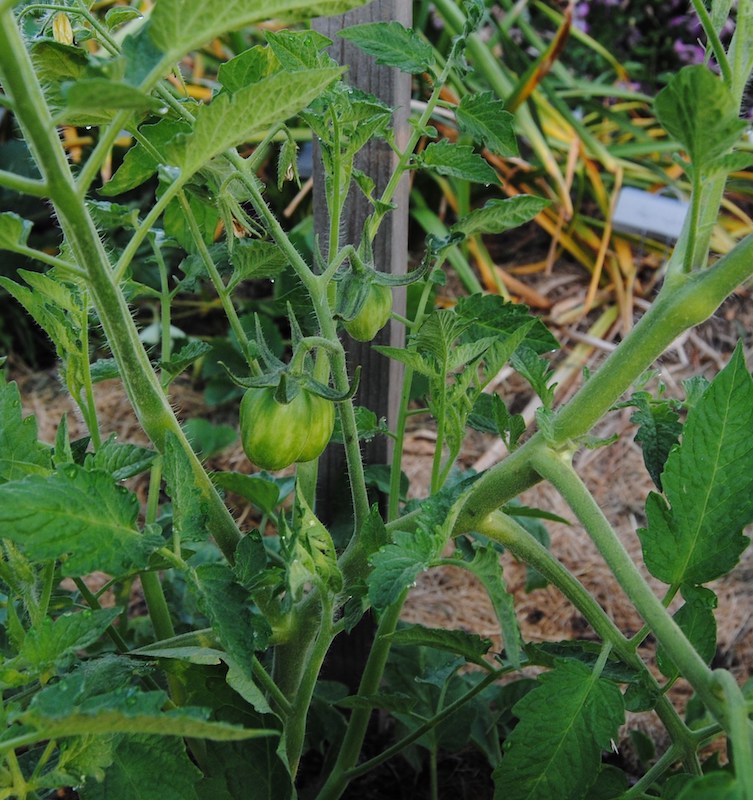
spring vegetablesEnough vegetables, it’s about time some flowers got in here and there are plenty coming along for July.  Next post should have a couple blooms, until then all I have are tomato flowers.  Not the most impressive but they make for promising green tomatoes.

Early June in the vegetable garden

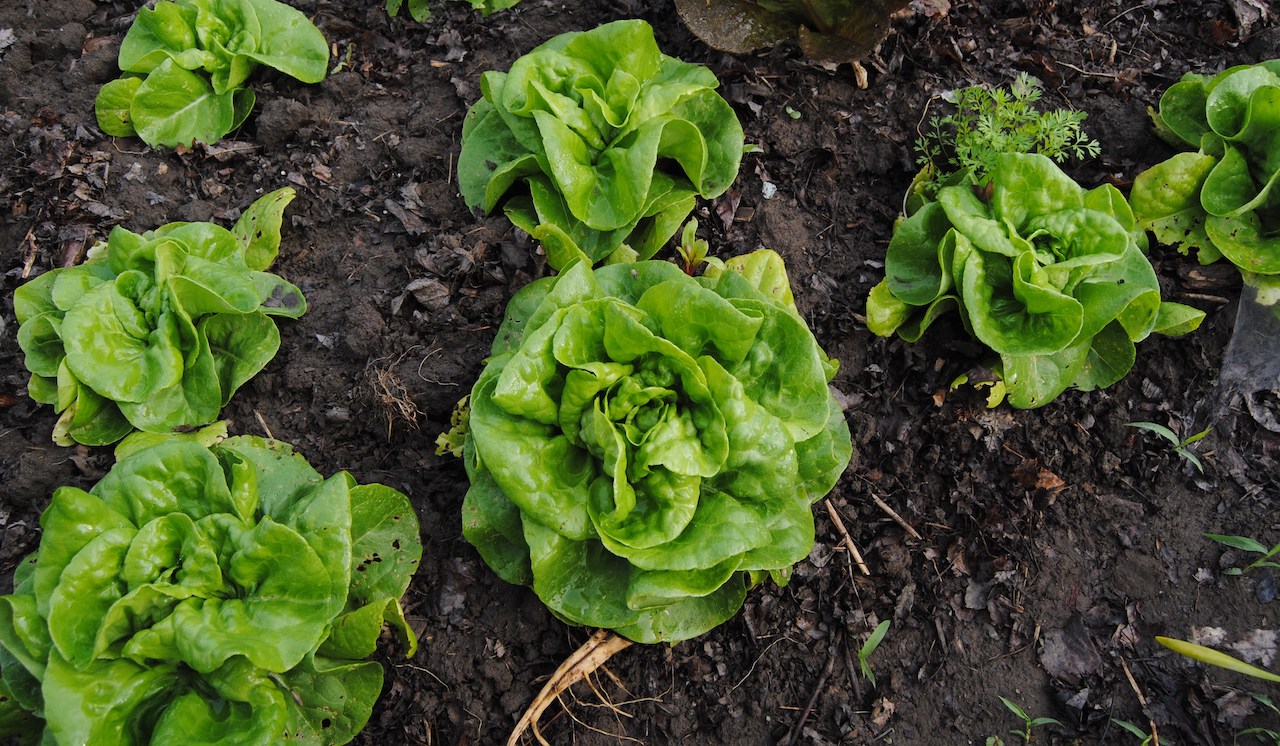
Things don’t look too bad out there.  I was late in getting everything planted (of course) but the cooler weather and the last couple days of rain have helped the spring crops come along.  This butterhead lettuce (I forget the variety) is starting to look real yummy.vegetable beds

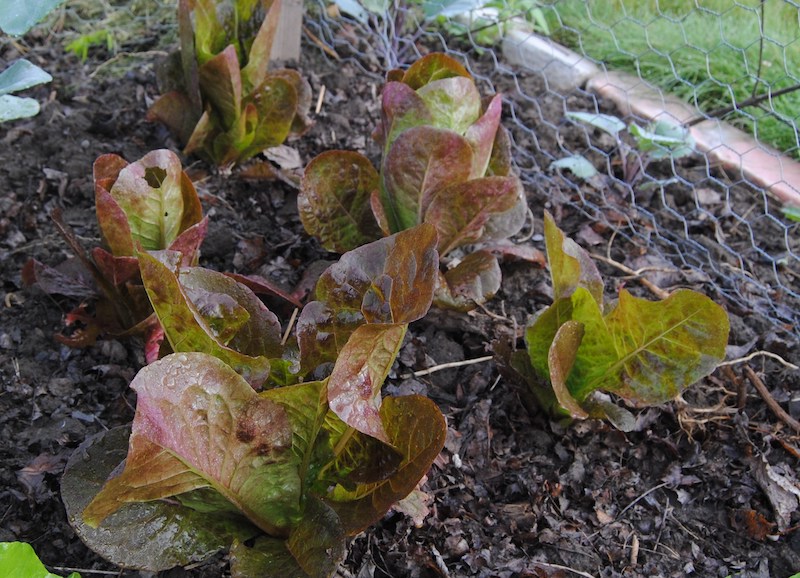
There’s also some romaine coming along.  These are all in the ‘safe zone’ behind the chicken wire, but even outside the fence its been a relatively damage-free spring as far as the rabbits go.  Slugs have been more of a problem.vegetable beds

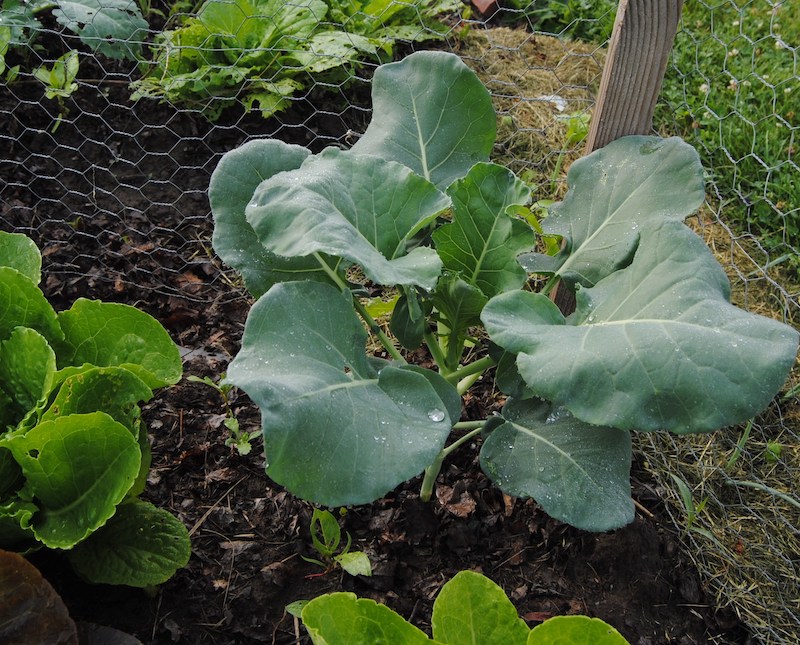
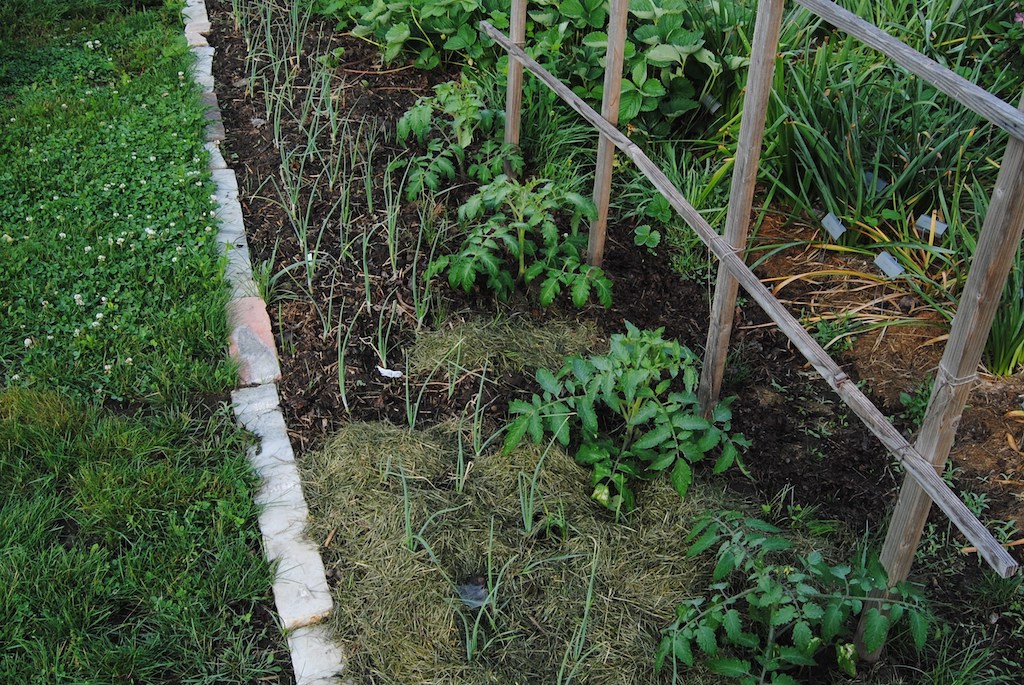
Brocoli is making progress too.  It’s finally taking off and spreading its roots after a too long delay in the six packs (these I bought prestarted).vegetable bedsThese tomatoes have been in for a week or two as well as the onion transplants.  This will be the year of the onion since I started way too many seedlings and then couldn’t bare to toss them into the compost.  They’re small for the time of year but I hope I get something by the time the harvest rolls around….. otherwise I guess we’ll have hundreds of scallions to deal with!vegetable bedsThe tomatoes are dealing with what might possibly be the worst soil prep in gardening history.  A month ago this bed was lawn.  I turned under the grass and added a little compost for the onions, but all the tomatoes got was a layer of leaves and grass clippings to kill the turf and then holes dug directly into the lawn.  Maybe I gave them a little compost on top.
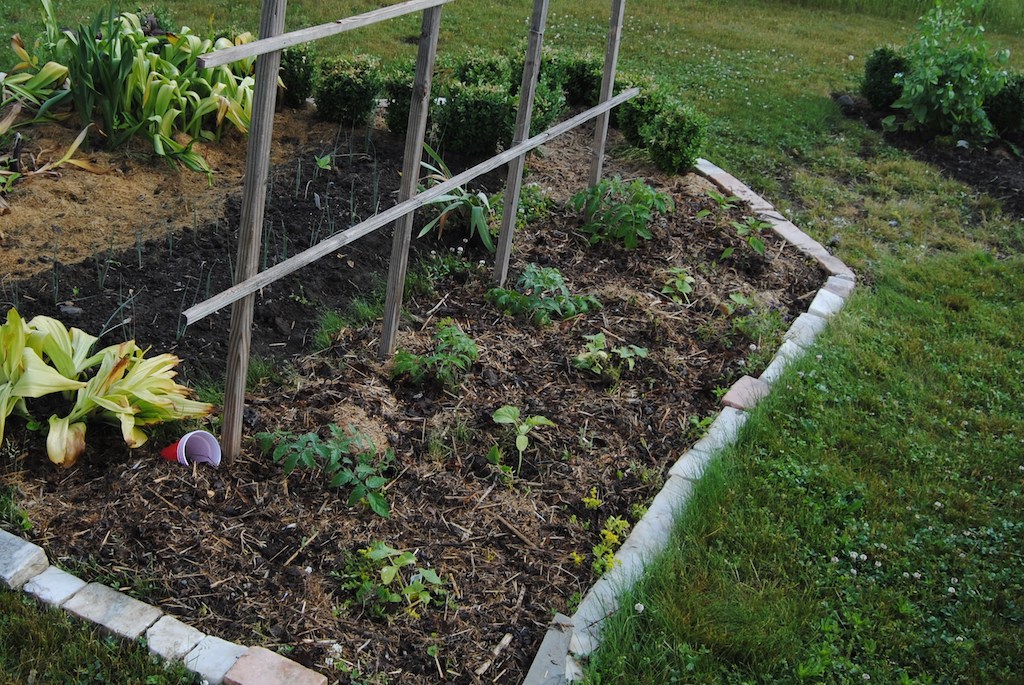
Actually the sister bed across the path which I planted on Saturday was even worse.vegetable beds

You can still see the lawn peeking out from behind the tomatoes and along the bed edging.  The plants went straight into holes dug into the lawn and then the grass and weeds were covered with a mulch of chopped leaves and twigs and whatever else the mower picked up during spring bed cleanup/winter debris removal…. I didn’t even have any nutrient filled tender grass clippings to put down!  Once I can dig out some more compost I might put a bit around the tomatoes, but until that happens they’re on their own.  At least I planted them deep, covering all the stem up to the top clump of leaves.  this should let them sprout more roots into the mulch and should help with the lack of soil prep.

vegetable bedsHopefully if I keep it watered the earthworms will find the mulch and rototill the soil with their tunnels.  Grass clippings will surely bring them in, in fact last Friday prior to the rain, I fertilized the front lawn.  I’m hoping it will produce a nice bumper crop of clippings before summer drought dries it up.

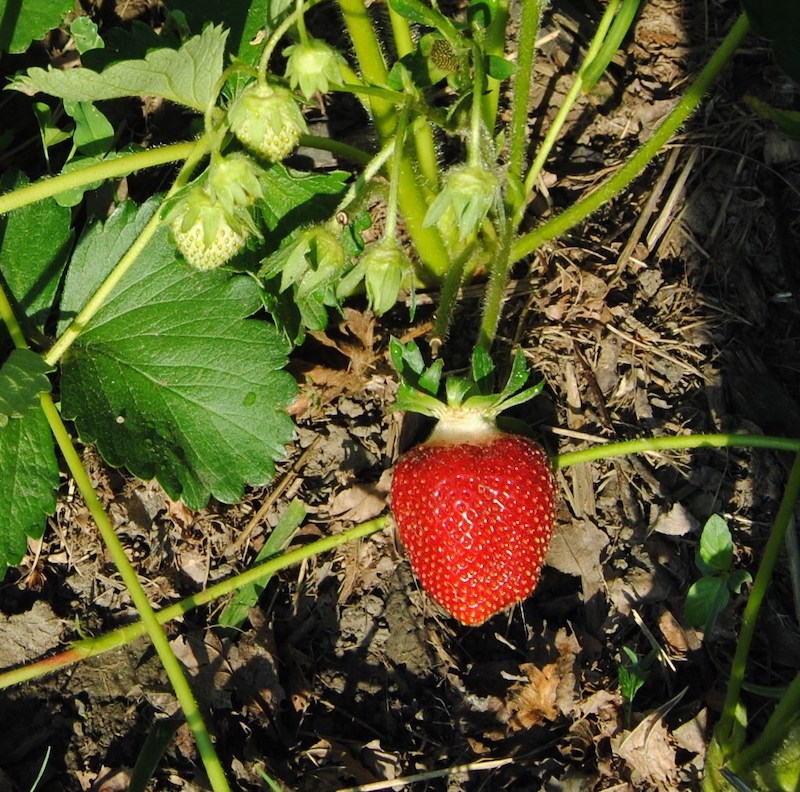
The garden isn’t all healthy vegetables, it’s also juicy sweet strawberries.  Even with the late freeze there are a couple coming along.

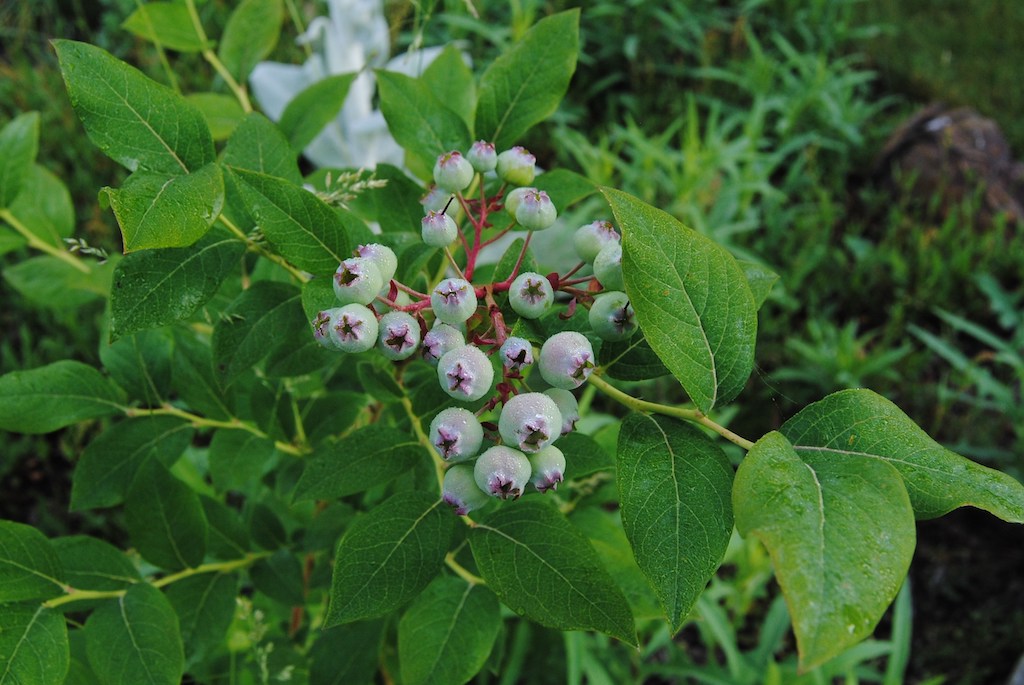
There’s also the promise of a few blueberries this summer.  Most likely the birds will beat us to them, but this bunch might be worth covering up and saving for ourselves.vegetable beds

Of course I’m only showing the good and new.  Peppers and eggplants still have to go in as well as pole beans.  I’m far from having everything planted and growing.  Right now the process of digging up the tulip beds is going on and it’s into these beds that the last of the transplants will go.  Someday I hope to have beds where I want them and supports ready to go but obviously it’s not going to be this year!

Please tell me I’m not the only one falling behind:)