Snowdropping 2016

*ok so I’m trying to get back onto the blogging ball.  With a schedule finally cleared up I have a bunch of catching up to do here as well as on other blogs… so flashback to something I began writing about two weeks ago!*

Spring doesn’t normally roll around to this end of Pennsylvania until the end of March,  but this year on the tail end of El Nino it looks as if winter has just thrown in the towel and let spring walk right in a few weeks early.  “Sit down and stay a while” I say, and although I should speak glowingly about my own spring treasures in bloom right now, my first panicked thought was I might miss the snowdrop season down south.  I promptly sent out a few emails, jumped in a car and met up with my friend Paula at a park near her home for our second annual Philly snowdrop adventure.

naturalized snowdrops united states

Snowdrops naturalized on the grounds of a former Philadelphia estate.

Last year our snowdrop adventure was a response to the miserably long winter, this year it was a desperate attempt to catch the season before it flashed by.  We made the trip on March 8th and even though we were nearly a month earlier than last year many of the earlier bloomers were already past.

leucojum vernus yellow

A nice yellow tipped spring snowflake (Leucojum vernum) blooming amidst the rubble.

In spite of the advanced season we did manage to catch plenty of snowdrops still in bloom, and it was fun wandering from patch to patch searching for those little “specials”.  Maybe someday after a hundred years of abandonment and years of gentle woodland protection my own garden will produce something different but for now I’ll have to rely on these hidden treasures.

naturalized snowdrops galanthus nivalis

We saw plenty of patches of four petalled snowdrops, but also a wonderful range of larger and smaller, thinner, longer, taller…. all the tiny variations on white and green which may make some gardeners yawn, but which make me smile.

But there was only so much time we could spend sweating our way through the underbrush.  We had bigger fish to fry this morning and for us it was a visit to John Lonsdale’s Edgewood Gardens.  John grows and sells (but more just grows and grows) about a billion plants in his suburban landscape and the plantings range from high desert cactus to mountain to woodland to everything in between.  I was lost on much of it but I’m going to try my best and show a few favorites even if the names are lacking.  If you are more cat-like and on the verge of death due to some unsatisfied identity curiosity then I would absolutely suggest contacting John directly via his website.  He will surely have an ID for you, as well as cultural conditions, related cultivars, the exact source of his plant…. and to top it all off he probably grew it himself from wild collected seed!

iris and hardy cactus

A beautiful species iris right alongside hardy cacti.  Did I mention the cactus?  There were beds planted full of them as well as agaves and yucca, all surviving the Pennsylvania snow and ice without any additional winter protection.

I need to just move on here.  I love growing bulbs and there were more here than I’ve ever even considered so here are just the highlights of our visit.  Keep in mind the calendar is still saying winter for a few more weeks and the real show is still at least two months off!

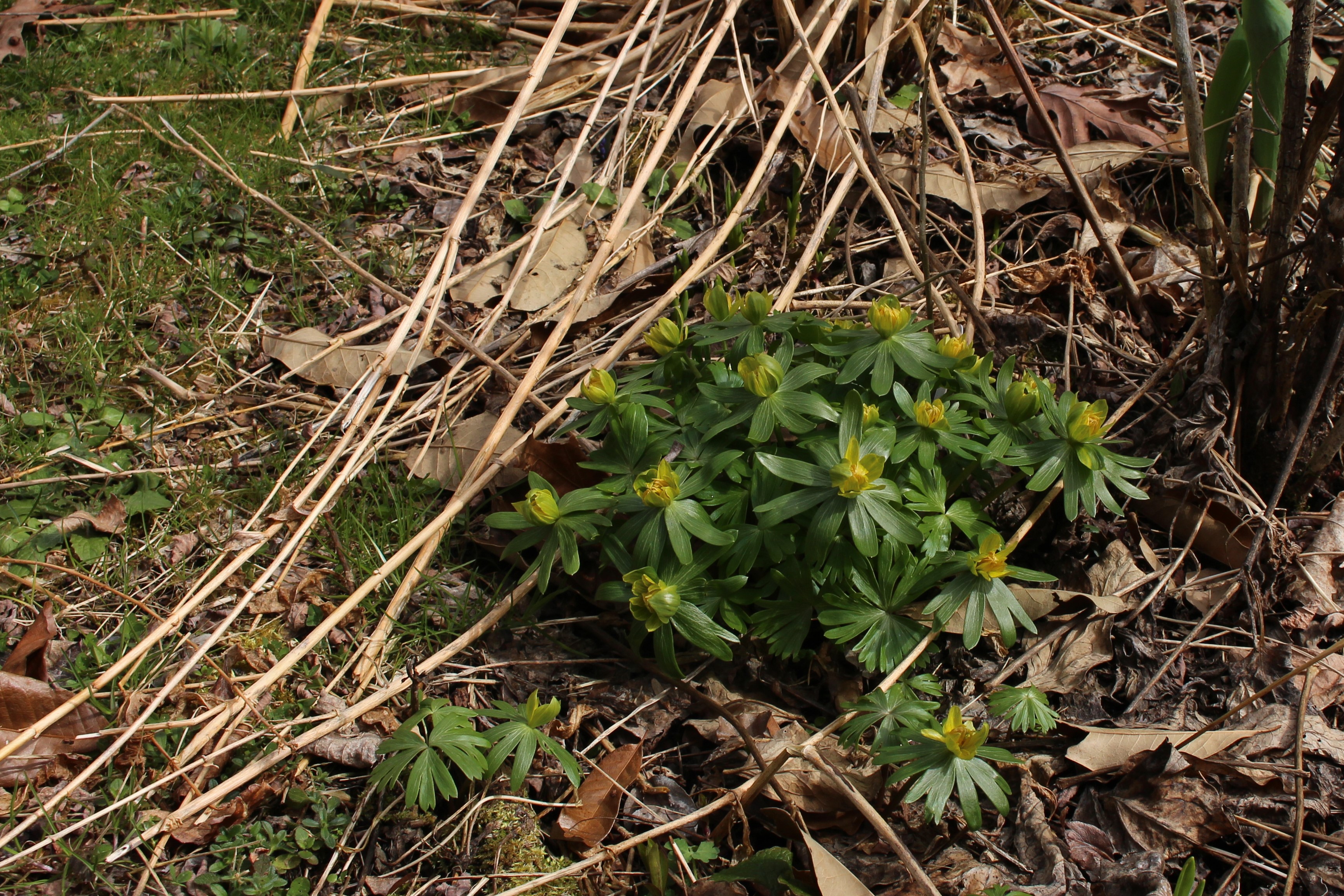
eranthis guinea gold

Winter aconite (Eranthis species)  galore in the Lonsdale garden.  We missed the peak for many of the Eranthis hyemalis types but these crosses with Eranthis cilicica (similar to the ‘Guinea Gold’ cross) were just opening…. don’t let the label throw you off, that’s for something else yet to come right in front of this patch of gold.

At nearly 80F (26C) and sunny even a few of the first primula were opening.

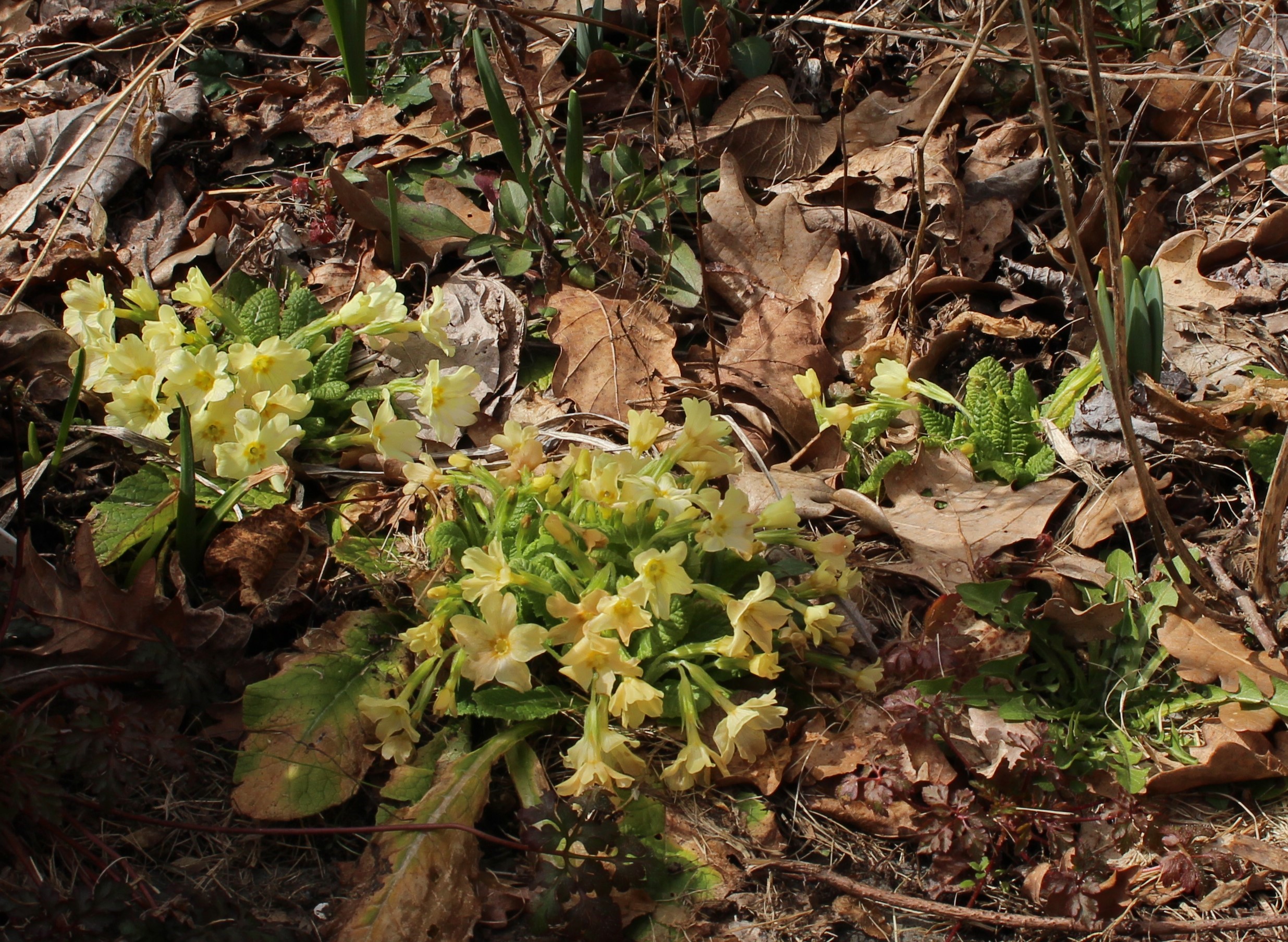
pale yellow hardy primula

The winter may have been short, but even here a sudden drop to around 0F (-17C) did its damage to winter foliage and early sprouts.  Still bright and beautiful though, and its location on what looked to be a dry shaded slope has me rethinking how tough primroses can be.

Hellebores were everywhere.

speckled hellebore

Just a plain old hellebore which caught my eye.  a little winter damage but I love the speckling.

John said he was in the process of working through the hellebores, getting rid of many older and self seeded plants, and ‘upgrading’ some of the hybrids… and I wish him luck.  There were hundreds, if not thousands, and it would take a more critical eye than mine to thin the herd.

hellebore anna's red

One of the newer, cross-species hellebore cultivars.  I forgot what it was, but maybe it’s ‘Anna’s Red’?

Plenty of hellebore species as well.  All over the garden were bits and shoots coming up from seed collected throughout the hellebore world.

green hellebore

A cool green species hellebore.  Green may not be the showiest flower color but they sure look great close up.

hellebore tibetanus

Hailing from China is Helleborus thibetanus. This plant was only just brought into cultivation in the 1990’s and if you can believe it John says this plant plant produced only one flower last year. What a difference a single year can make!

Trilliums were also everywhere.  John kept naming species, naming ranges and ecotypes, naming seed sources, describing how many were yet to come…. it was all a little overwhelming.  I think to return in May and see patches and patches of trilliums blooming across the hillside would be quite the sight.

trillium foliage

One of the earliest trilliums already up.  The foliage is just amazing and there were hundreds more sprouting or just waiting to burst out of the ground.

There were tons of early trout lilies (Erythronium) coming up as well.  More cool foliage, exquisite flowers 🙂

trout lilies erythronium

Just a few of the earliest of the trout lilies coming up.  I love the fine markings on these and the fancy purple pollen just as much as the silvery speckling on the leaves.

I’ve never seen blooming Hepatica (liverwort) in person but recognized the little jewels the minute I saw them.  Maybe this will finally be the spring I venture out into the woods and find a few blooms of my own in the wild.  I’ll be excited to find anything, but suspect they won’t hold a candle to some of the selections and hybrids which we saw springing up out of the leafmould.

red hepatica

What color on such a tiny bloom.

violet hepatica

The detail on these flowers is amazing in all its intricate perfection.

It was also well into Adonis season.  Several cultivars were spotted throughout the beds and each one seemed better than the last and we hit them perfectly with their flowers open wide in the warm winter sun.  The saturated colors were almost too bright for an early March afternoon.

double yellow adonis

Double yellow Adonis Amurensis

I’ve heard that this native of NE Asia isn’t all that hard to grow it’s just a little slow to start and a little pricey to get a hold of.  Spring sun and a sheltered woodland location for the summer seem to work well for it, just know that the ferny foliage dies back and the plant disappears once the weather warms for summer.

orange adonis cultivar

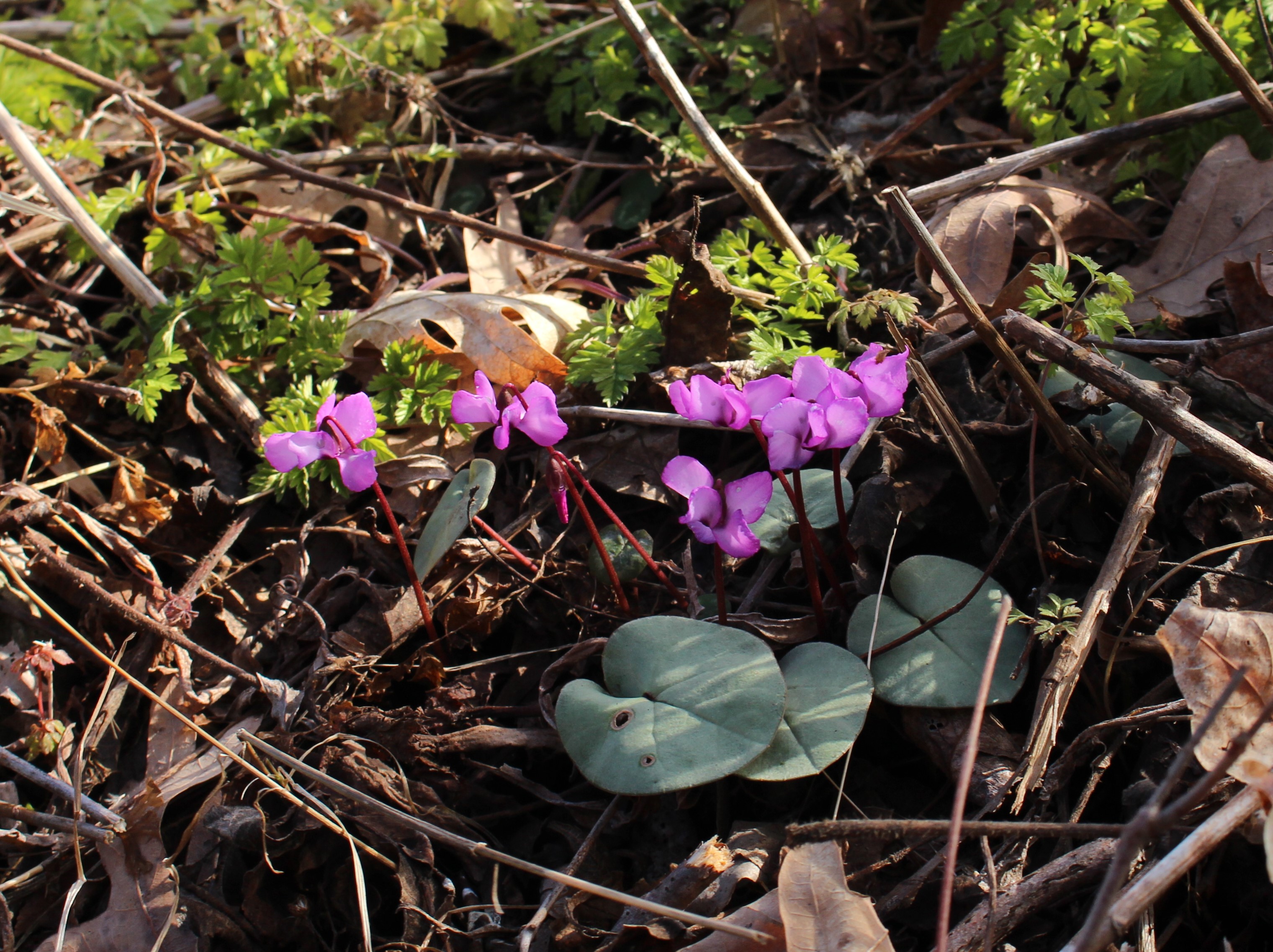
An orange Adonis cultivar with a nice bunch of hardy cyclamen leaves.  Cyclamen were nearly everywhere, I began to not notice them unless I had to step over a particularly nice one seeded into the path 🙂

fringed orange adonis

Dark ferny foliage, a fringed pale orange flower…. what’s not to like about this Adonis?

We spent way too much time at John’s but it wasn’t until we checked our watches that we realized how much we had actually imposed on his day!  The poor guy had just finished up about ten days of on the road and had been through more states in a week than I hit in a year and here we were not even giving him enough time to enjoy his first day back.  So we tried to get a move on it, thanked him again for his hospitality and time, and then rushed through the last hordes of snowdrops, cyclamen, and cacti between us and the exit… did I mention the cacti?  I could easily fill a second visit with just the cacti (not that I’m really hinting).

Off to Paula’s!

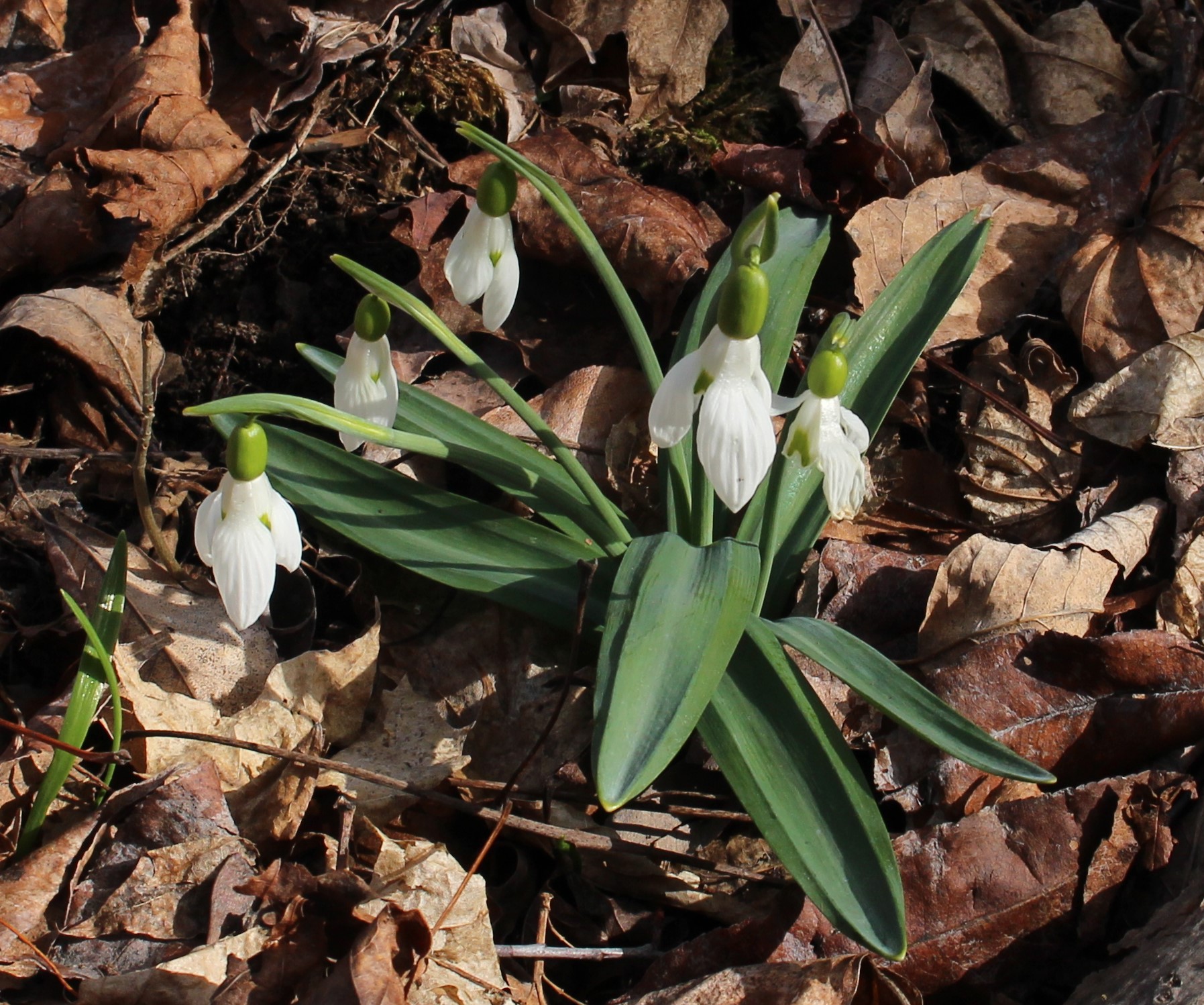
snowdrops galanthus in garden beds

Snowdrops (Galanthus nivalis mostly) scattered throughout the garden beds.

Paula has really put in some work into collecting and dividing and spreading snowdrops throughout her garden, and it’s really an inspiration to see the possibilities of what a few years hard work can produce.  It makes me wonder when and if my own garden will ever start to show a similar effect of late winter interest.  There were goodies everywhere and of course it was the snowdrops which I really honed in on.

galanthus elwesii

Nice established clumps of Galanthus elwesii (the ‘giant snowdrop’) with it’s bigger blooms and grayer foliage.

Paula really has a great winter garden going with snowdrops galore and plenty of color from the earliest bloomers.  It’s here where we wound down from our latest snowdrop adventure.

double snowdrops galanthus and hellebores

Double snowdrops (Galanthus ‘flore pleno’) and hellebores fill in a shaded slope.

There were hellebores, winter aconite, snowdrops, snowflakes, witch hazels, crocus, all kinds of flowers coming out to brave the last few weeks of winter.

raspberry veined hellebore

A real nice raspberry veined hellebore.  I really need to do a little ‘upgrading’ of my own!

Of course we got bogged down in examining every tiniest bloom and discussed every growing nuance.  That’s what makes these garden visits so special.

galanthus gloria

Galanthus ‘Gloria’, a perfect flower with such long inners with just the smallest touch of white.  I really like these ‘pocs’ where the inner petals nearly match the long white outers.

By this point my winter knees were starting to complain about all the kneeling and bending which I’d been putting them through all day.  Maybe I should have started getting back into gardening shape a few weeks earlier, but in spite of the little aches and slower pace we carried on for a few more closeups.

galanthus doncasters double charmer

You almost wouldn’t guess this were a snowdrop, but it’s Galanthus ‘doncasters double charmer’ in all its crazy, spiky, greenness.

And a final snowdrop….

galanthus big boy

Galanthus ‘big boy’, just coming up and already big even before it expands to its full size.  The green tips are a nice touch and I think I like it!

And then the day was over.  Time to hop in the car and head back North.

orange witch hazel jelena

An orange witch hazel (Hamamelis ‘Jelena’ ) in full bloom as the day ends.

A special thanks to John Lonsdale for a great visit, and thanks of course to Paula for putting up with me for the whole day.  It wouldn’t have been half as much fun without her, and when we were pulled over and asking a stranger if they’d mind us traipsing around in their side yard looking at the snowdrops I knew I had the right travel buddy.  Until next year!
GBFD February

Each month on the 22nd Christina of Creating My Own Garden of the Hesperides invites us to join in on a consideration of foliage in the garden.  Foliage effects in the winter months can seem to drag on and February may have its pleasant moments in Christina’s Italian landscape, but here in Pennsylvania February is the month when the relentless assault of winter begins to wear down even the toughest greenery.  Imagine my surprise when a beautiful February weekend comes along and gets me thinking about outdoor things other than snow.  It felt great to get outside again, do a few spring-like tasks, and consider what was holding the garden together.

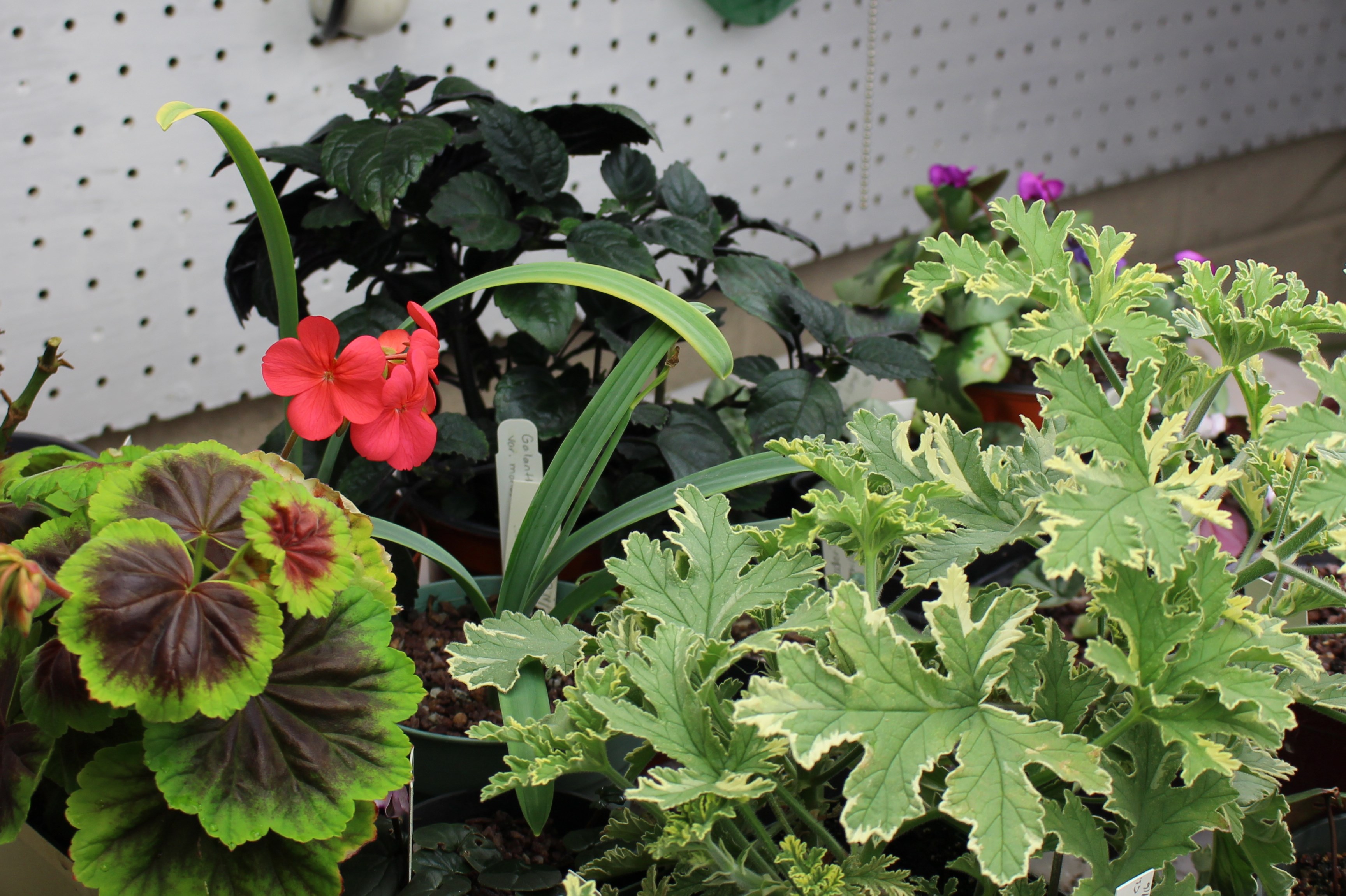
pelargonium foliage color

Even a nice February day needs some warmup time, so while waiting for the thermometer what better thing to do than enjoy the foliage of geraniums (Pelargonium) and other tender plants indoors under the growlights.

One task I did tackle was a little front garden cleanup.  The snowdrops are coming up here in the front foundation bed, and dead sunflower trunks do not add to ambiance of the scene.  Blue fescue (Festuca glauca, cultivar unknown) does though, and I’m enjoying the edging of faded blue which lines the front.  A nice solid swath of one plant helps tie this bed together but I’m not entirely convinced I can give up my collecting habits in favor of better (notice I won’t say good) design.  My single mass planting of little fescues is a starting point though and even if I can’t add more solid pools elsewhere maybe I can at least repeat a few nice patches of similar foliage here and there for the sake of continuity.

Festuca glauca winter color

Cute tufts of Festuca glauca in their winter finery…. which looks remarkably like their spring summer and fall finery, but every garden needs a few reliable doers.

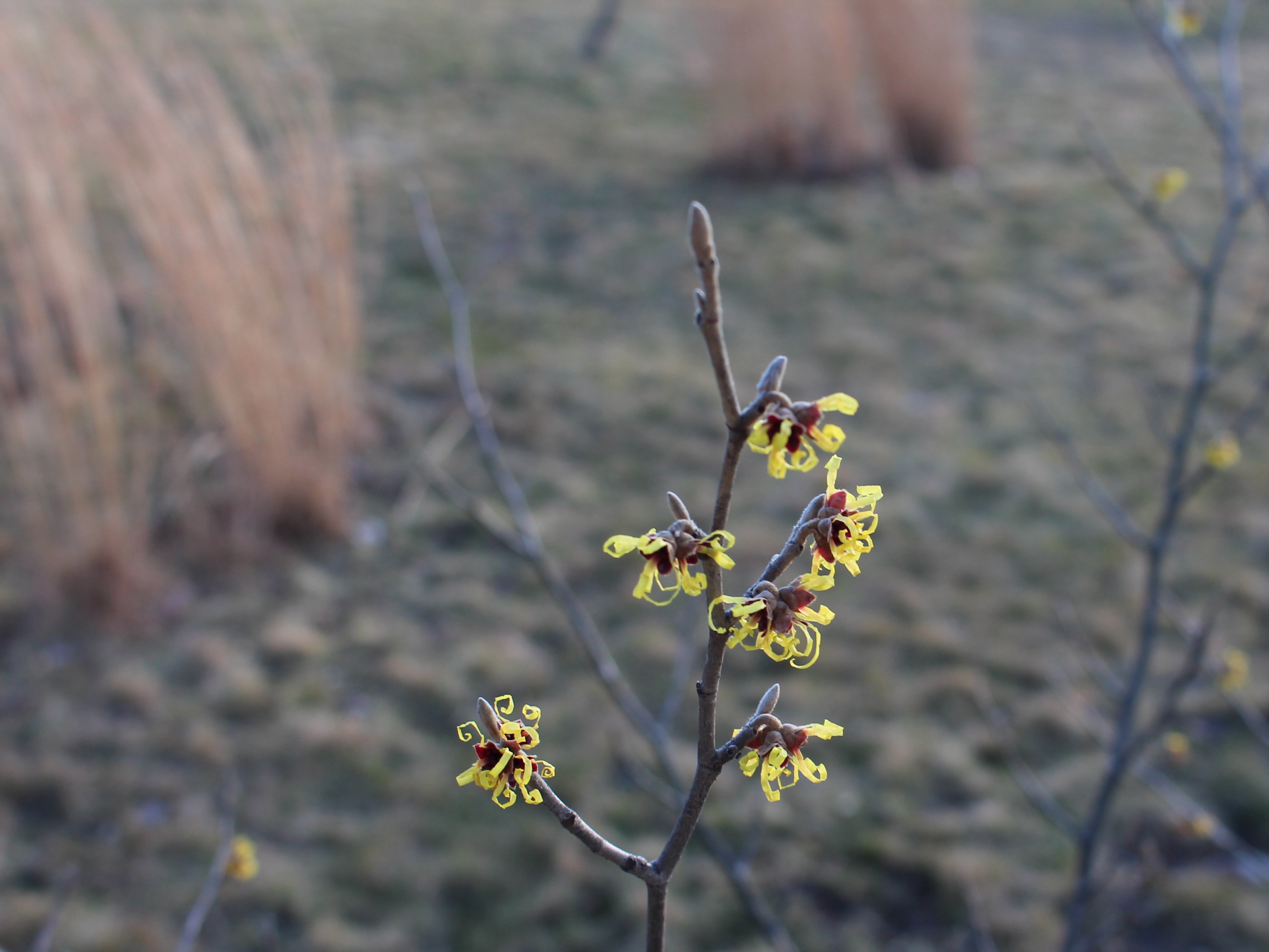
Another grass which has lasted well throughout the winter are the native little bluestem clumps (Schizachyrium scoparium) which dot the back meadow area.  They will be cut down shortly as crocus blooms begin to fill the meadow, but for now they’re a nice backdrop to my weakly flowering witch hazel (Hamamelis mollis ‘Pallida’).  It’s too dry and exposed here for the witch hazel to do well in this location, but it hangs on and every now and then has a good spring.

witch hazel pallida

The crinkled blooms of ‘Pallida’ Chinese witch hazel are always a nice winter surprise and I feel like the russet foliage of the little bluestem grass in the background complements the flower color well.

It may have felt like spring for a few hours but it’s still surely winter around here.  El Nino has thrown things for a loop and by my wildly inaccurate guess we are about three weeks ahead of a ‘normal’ winter.  Not a problem I say, and I’ll take the early snowdrops and deal with future wild temperature fluctuations as they come.

snowdrops and eranthis aconite

Cyclamen hederifolium foliage and a mulch of dried autumn leaves looks so much more comfortable than bare mud.  I guess even last year’s dead foliage counts on a February foliage day 🙂

So even in the dead of winter there is foliage making a contribution and there is hope for the upcoming year.  Hope is always a good thing, and what better way to breed more hope than to look at other inspiring foliage effects from around the world.  Give Christina’s blog a visit and as always have a great week!

The Winter Garden 2016

An actual greenhouse would be awesome.  To spend the winter nights out in the humid warmth… or even sweater-cool, as long as you can smell that healthy dampness of growing plants, would be a fantastic break from the dry static of central heating.  Since that’s not going to happen anytime soon I’ve got to make do somehow and to that end I have my little winter garden.  It’s two shop lights hung over a table in the small workshop behind the garage.  That’s the reality, but the magic is much more, and of course as with everything else I try to do there’s a story involved.

galanthus in containers

The first of the Cyclamen coum (a nice seedling flowering for the first time), a snowdrop dug from the garden (Galanthus elwesii), and the frilled leaves of a scented geranium are filling the space beneath the lights this year.

Santa brought the kids electric scooters this year, and that has nothing to do with winter gardens but they needed a spot cleared in the garage near an outlet for charging.  Space is tight in the garage so obviously I needed to clean the attached furnace room first.  A day later the furnace room was cleaned and I had room in there for a few bikes, but the cannas and dahlia roots in the furnace room needed a cooler spot.  They had to go into the workshop which had now become remarkably full and as a result also needed tidying up.  A day later with the workshop cleaned and the bulbs stashed away I made the observation that the workbench was really unacceptable as far as winter gardens go.  A few years before we bought this house a pipe burst in the workshop, all was soaked, and the pressboard workbench soaked, sagged, and warped.  It was time to replace the top so off to the DIY store for lumber and hardware.  A day later and the old top was off and a new one had been crafted, more than doubling the tabletop and practically calling for another light to be added, so of course another light was added.

potted amaryllis

Merry Christmas to me.  A ridiculous clearance sale on amaryllis bulbs left me with eight new ones and the repaired workbench is the perfect place to pot them up.  Don’t even ask me how hard it is to find terracotta pots during the holiday season….

So one more day for the stain and polyurethane to dry and then finally I was able to bring in a few things for under the lights.  Just in time since the Cyclamen coum were beginning to flower and I was tired of dragging them in and out of the garage with every frigid weather forecast.

growing bulbs under lights

Twice the growing space of years past and already nearly full.  Overwintering cuttings share space with cyclamen and various too-special-to-be-outside seedlings under the growlights.

I should have tackled this job on a pleasant summer weekend, but at that time the lawnchair was so much more inviting.  Had I been ready to go at the start of the season (or had I built that coldframe I wanted) then maybe these seedling pots of tulips and allium wouldn’t have started to sprout in the garage, and maybe I wouldn’t be the only person in NE Pennsylvania growing species tulips indoors under growlights in January….

bulbs from seed

Hellebore and cyclamen seedlings growing in the winter garden.  The small wisps in the other pots are tulips, allium, and a single fritillaria  seedling.  The economics of spending years nursing along seedlings which are available cheaply (100 blooming sized bulbs for $14 last time I checked) is something else we shouldn’t look at too closely.

To wrap up my ‘How I spent my Christmas vacation’ essay I’ll just add that on the last day I moved an air compressor and rabbit hutch onto a shelf and was able to plug in the scooters.  Don’t ask me how I didn’t see that a week earlier.

pale moonlight eranthis

After two rainy days of 55F (13C) weather the soil has thawed and the first winter aconites have broken the surface. I think they’re perfect and they should be fine even if winter does decide to come this year.

Now I’m all set.  Even though I spotted the first winter aconite (Eranthis hyemalis) breaking out of the earth this weekend I think winter will still make an attempt at cold before the robins can come home.  Today in between rain showers I put up the bird feeder, braced the pole against tipping out of the mucky quagmire of lawn it sits in, and drug a flat of primula seedlings into the workshop.  Now when the cold hits, repotting a flat of young primrose should be just the diversion for a dark winter evening.

Plant those bulbs deep

It might be optimism, it might be delusion, it might be weakness, but whatever it is around here there always seems to be an unreasonable amount of bulbs in need of planting….  or there might not be enough.  No one is ever really sure but one thing is definite.  I have never regretted planting too many bulbs, so until I do it’s always better to err on the side of caution and overdo it if possible.

planting spring bulbs

Last weekend I tried to put everything out in order to see exactly what still needs planting.  Tiny bulbs add up, and this innocent collection is well over 1,100 bulbs.

There’s no denying that I’m a bulboholic and I think if you keep up with this blog you already know that fact.  They’re my favorite plant type and for good reason.  Each spring they just explode into growth, bloom like there’s no tomorrow, and then politely fade away, all within a few weeks.  They’re like a spring fling which burns hot and then ends on good terms.

Somehow the bulbs just find me during the summer.  I dig a clump of daffodils to thin them, find a clump of tulips when moving something else, more daffodils come out when I move a bed… before you know it there are bulbs in saucers, bags, and boxes all over the garage, plus a few I pick up at the nursery.  This year an early clearance sale at Van Engelen’s added a few hundred more crocus and muscari.  You can’t overdo crocus and muscari, so obviously those needed to be purchased as well.  Since I don’t enjoy planting bulbs, 850 new crocus corms can border on autumn torture so I try to deal with them as efficiently and quickly as possible.  Here’s a trick I read online which I now love that really moves things along when planting larger numbers of small bulbs.

naturalizing crocus bulbs

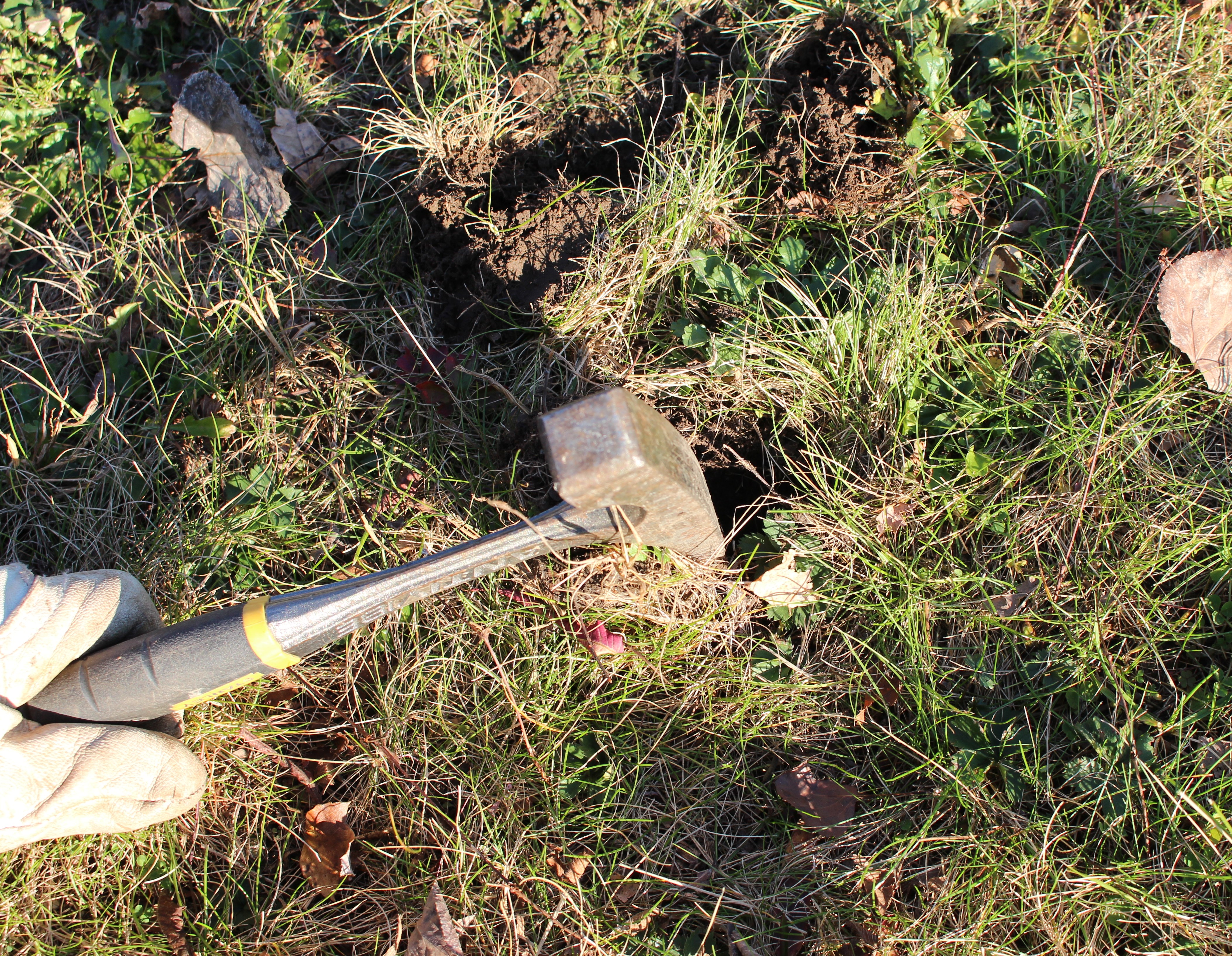
Tools of the trade for naturalizing larger numbers of small bulbs in turf.  Gloves, masonry hammer and small bucket stolen from the children.

A masonry hammer seemed necessary at some point for chipping stones and breaking cinderblocks, but it’s now become invaluable for planting small bulbs in the turf of the meadow garden.  Using a shovel is much more work than I’m willing to do and when you’re trying to naturalize bulbs, or make them look like they just seeded out into your lawn on their own, then digging large sections of turf up is just out of the question.  I find the hammer much easier to use.  One swing and it’s into the ground, a pivot back and you have just the hole you need for a tiny bulb or two.

naturalizing crocus and small bulbs

One down, 849 to go.

I start off carefully, trying to get the sprouting end up and the bulb gently eased down into the hole, but after the first 100 they’re getting dropped in and jammed down whichever way works.  A quick swipe with the hammer also closes the hole.  After about an hour and a half (including two 20 minute breaks to unlock my knees and back) all the bulbs were in.  People talk about the joys of gardening but for me I far prefer sitting back after the job’s done and visualizing the results.  I have plenty of other things which need doing in and out of the house, so the less time spent prepping cute little holes and overdoing a job the better.  If one had to sum up my entire bulb planting philosophy I think ‘shallow graves’ might not be the worst term to apply.  For larger tulips and daffodils I’m not above digging out a shovelful or two of dirt, throwing in a handful of bulbs and carelessly kicking the dirt back over them without bothering to prep the soil or put the bulbs right side up again.  In the vegetable garden some bulbs go into trenches so shallow that by the time the compost rots away from above them the tops of the bulbs are actually at the soil surface…. although this has just as much to do with thin soil and poor drainage as it does with a lack of enthusiasm for digging.

shallow tulip bulbs

These tulips might be on the shallow side. The original bulbs have split in two and both appear to be healthy blooming size bulbs, but if left uncovered mice and rabbits will likely find them and have a nibble.

I often read that in order to have bulbs such as tulips last longer and re-bloom reliably they should be planted as deep as possible, sometimes up to a foot deep.  This sounds like a lot of unnecessary work and I’m completely against it.  Perhaps a shallow bulb is more likely to split due to stress such as drought, but for the most part mine come back best when the spring is long and cool, tulips are deadheaded (daffs and hyacinths don’t seem to care), and tulips are either dug up for the summer or not watered in a spot which is nice and dry.  Planting depth, as long as it’s at least a couple inches down, doesn’t seem to factor in much at all and unless someone shows me actual research to prove otherwise I’m going to say deep planting is one of those often repeated bits of advice which don’t really do much here or there.

pink impression tulips

I planted these ‘Pink Impression’ tulips a few years ago and finally got around to getting more this fall. The new bulbs are from a good nursery and huge, so I know they’ll add to an even more awesome show next spring!

So we’ll see this spring if my lazy planting methods pay off again.  Good soil prep and proper planting depth are always a great thing, but I prefer to not overthink gardening.  If a squirrel can successfully plant sunflowers and oak trees throughout my flower beds, and the best iris can survive a year under the compost pile, I think I can pop a few bulbs into the ground without a PhD and still get good results.  I’m already looking forward to seeing the ‘bulked up’  meadow plantings next spring.

crocus lawn of dreams

The crocus plantings in the meadow garden began with approximately 500 bulbs,  this fall I’ve more than doubled that number 🙂

Two issues may still stand in my way.  Rabbits have huge appetites once they discover fresh crocus flowers, so I may have to do something about that come springtime.  The second worry is that the mixed crocus were irresistibly cheap when compared to the single color varieties I had been planting in the past.  Hopefully the Technicolor patches look as nice as the solid color patches I have now.  I did try to keep the single colors closer together and the mixed ones more spread out but who knows how this naturalizing theory will work out in the real garden.  If worse comes to worse the bunnies will make quick work of any mistakes.

Have a great weekend and I’d love to hear which bulbs have made the cut for you this year.  One request though,  please don’t rub it in too much that you’ve already completed your planting 🙂

A lull in the storm

I promise this is the last time I will complain about the brutal freeze which ended our growing season.  I’ll also not mention the weeks of warm weather which followed, and I won’t show a picture of the dahlias which are resprouting due to some misguided notion that winter came and went.  Instead I’ll focus on the mellow colors of autumn which are slowly winding the year down, and I’ll just enjoy the warm lull we’ve been having until winter returns again in earnest.

the front border in autumn

The front border is about as tidy as it will get prior to winter.  Whatever’s left will hopefully hold the snow nicely and keep things interesting until spring returns.  The golfinches approve of the leftover coneflower and sunflower stalks.  

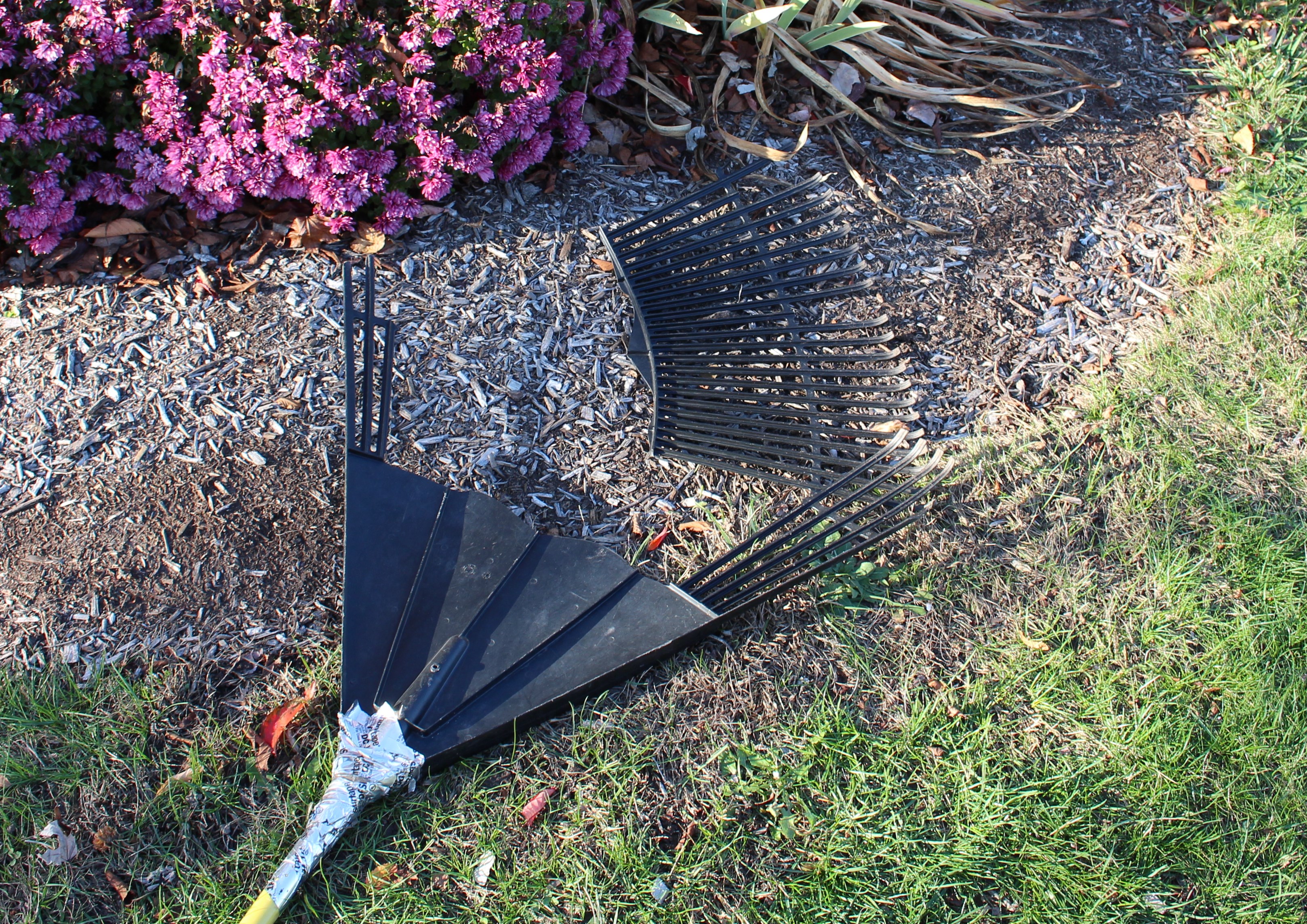
Last weekend I finished up the last of the leaves and tried to wrap up the last of the fall planting and weeding.  I have to admit I like the way the gardens open up and empty out this time of year, and I love the way the fall rains have left a lush green lawn to set off the emptying flower beds.

Muhlenbergia capillaris pink backlight

Earlier in October the pink muhly grass (Muhlenbergia capillaris)  finally came through and put out the airy pink flowerheads which look so nice in the low autumn light.

Three years after transplanting, my pink muhly grass has finally bothered to bloom.  I’ve come to accept that I’m just too far North to enjoy this plant.  It looked pathetic until August, finally put out enough leaves to look alive by September, and then for 12 days in October it impressed with it’s pink seedheads…. and then was promptly browned out by the first freeze.  The effect is still nice enough, but I wouldn’t have minded a few more weeks of the pink.

pink muhly grass after a freeze

Pink muhly grass after a freeze.  Still nice, but not the amazing, glowing pink you look for in this plant.   

I’m going to give the cultivar ‘Fast Forward’ a try next year.  It’s supposed to be a good month or so earlier than the straight species and also shorter and more compact… although for me the larger size would have been preferable.  I’ve actually already got my hands on one but since it was a small plant and just planted last week I’m not too confident it will make it through the winter.  Fall is not the time to plant anything borderline hardy or more of a warm season grower…. speaking of probably not making it through the winter, my cardoon seedling is really starting to put out some nice leaves.  The freeze didn’t bother it, but as a zone 7 plant I’m really hoping for some serious El Nino luck in getting this thing through the winter.  Any protection suggestions are more than welcome!

young cardoon plant

If this cardoon plant makes it until next year I’ll be thrilled.  Bigger leaves with artichoke-like fluorescent purple flowers would be the highlight of 2016 I’m sure 🙂

Something which will have no problems this winter is the Virginia creeper.  This year brought on a good crop of the grape-like fruits, and I’m sure they’ll be sprouting up all over as a gift from the birds…. just like this plant was.

Parthenocissus quinquefolia berries Virginia creeper

Virginia creeper (Parthenocissus quinquefolia) minus it’s bright red fall color, but still interesting with its raisin like fruit.

The rest of the garden is clearing out.  Leaves are mulched, the vegetable garden is tucked in, and there’s already interest in spring flowers.  I love how good hellebores look at this time of year, they love the cool temperatures and extra moisture and if all goes well this spring I may have my best hellebore show yet.

hellebores ready for winter

Hellebore seedlings showing promise for next year.  Hopefully we’ll see a few blooms next year since these are supposedly yellow seedlings and haven’t yet shown their true colors.

Back towards the meadow garden things are just waiting for snow.  I’m glad I left a bunch of the little bluestem since it’s gone through such a nice color change from green to yellows to reds to tans now.  With the rest of the yard mowed, it keeps things somewhat interesting back there.  Something I’m not too glad I left is the littleleaf linden (Tilia cordata) seedling which showed up among the phlox.  I’ve been ignoring it for years, but at six feet I think it’s time to make a decision.  The mother plant is so popular with the bees and so fragrant I just hate to weed it out…. but a second linden is one more than this yard needs.

autumn cleanup in the vegetable garden

Mid November in the vegetable garden.  Yet again the phlox have not been divided, and there’s a huge linden tree weed, but at least I’m getting some mulched leaves down to save on next year’s bed prep.

There’s little chance of dealing with the linden this fall.  It would do fine with a transplant at this time of year, but with 14 pounds of crocus and daffodils sitting in the living room I have other things calling for my attention.  I should have no problem getting a few in tomorrow… unless I first deal with the dozens of daffodils and tulips which I already had from this summer’s bed renovation.

Whoever said November was a time for gardeners to kick back and relax obviously didn’t procrastinate planting spring bulbs nor succumb to early clearance sales.  Hopefully your autumn is much more relaxing 🙂

Goodbye 2015

All the random wandering around the garden with camera in hand have surely raised an eyebrow or two in my neighborhood and I’m sure neighbors question how I can focus on so many things without stopping for even one selfie.  For the last month though I wonder if anyone has noticed how normal things have been?  For whatever reason I’ve been just fine looking and not photographing and as a result there’s next to no record of October to blog about.  So it’s been quiet around here.  Lets see if we can change that, and let’s see if the last of the chrysanthemums will do the trick!

chrysanthemums

A mix of winter hardy chrysanthemums blooming in the garden this month. I have their names somewhere but that’s a job for next spring’s transplanting, when I’m sure I’ll be able to tell one dried stem from the next… (although I do know ‘Dolliette’ is the bicolor in the center)

The last few years have seen an unexpected interest in one of the least interesting plants I grow.  Pots of disposable mums fill every grocery and DYI store and farmstand at this time of year and the rounded blobs of color shouldn’t really do anything for my gardening passion…. but they do, and I’m not really sure where this came from.  As usual I blame the internet.

hardy mums

A weather weary white chrysanthemum next to a few reds. Between fresh and faded flowers you wouldn’t guess all five of the oranges and red flowers come from the same plant.

It started innocently enough with trying to overwinter a few of the seasonal color pots which we came across at various nurseries and farmstands, and it grew from there.  I wanted to give something more reliable (and interesting) a try and found Mums of Minnesota and their University of Minnesota introductions.  If it grows in Minnesota it should work here, right?

chrysanthemum in the garden

Chrysanthemums taking over the vegetable garden.

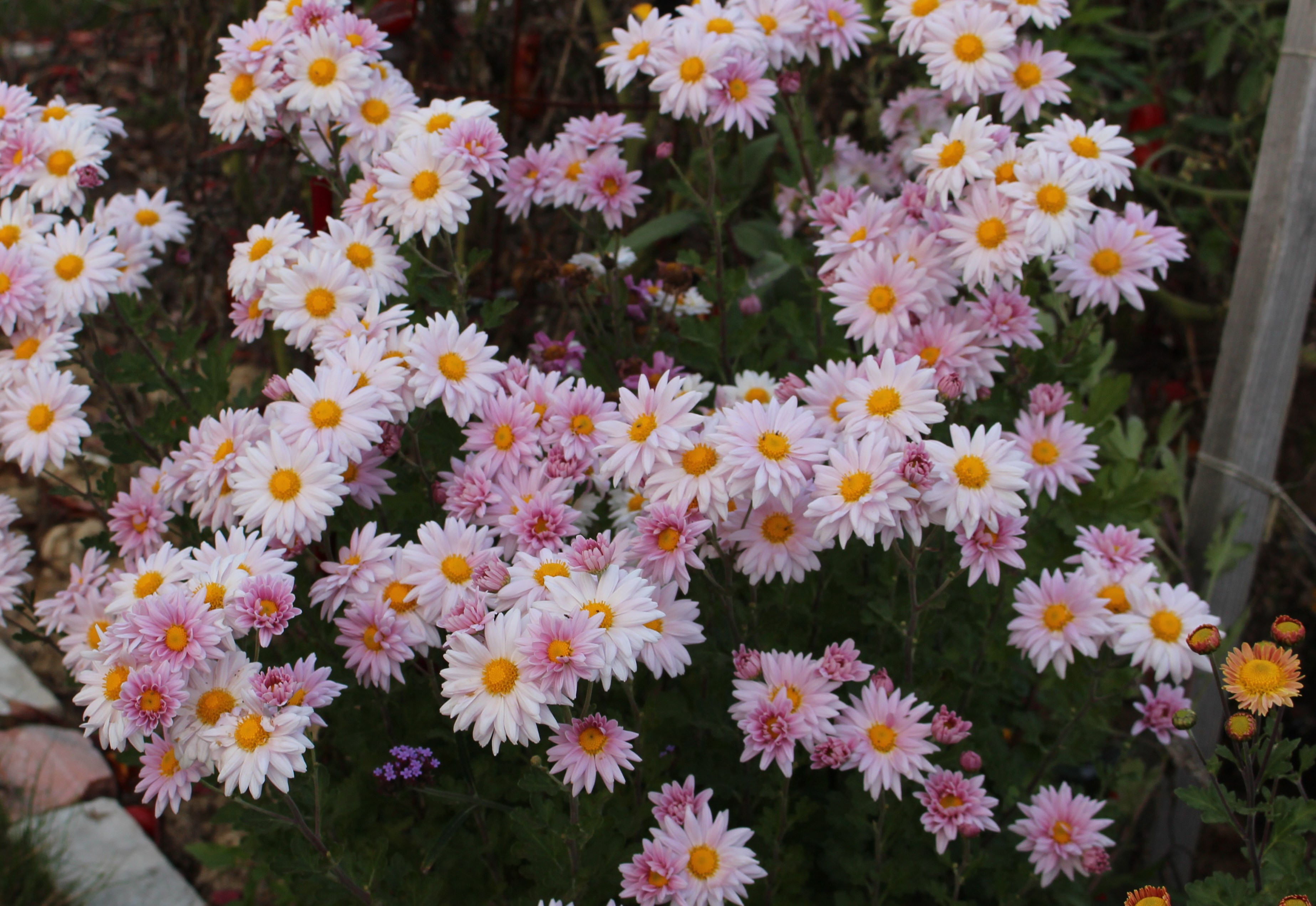
Besides spending the last couple years adding named mums to the garden I also grew on a few seedlings.  It’s surprising how nice a mum you can get from a few old seedheads, and they’re fast and easy!

chrysanthemum from seed

A few chrysanthemum from seed, early and late bloomers, tall and short.

So far they’ve been overwintering well with no effort on my part, but some are far hardier than others.  One of the hardiest are the seedlings of ‘Innocence’ which I grew from HPS seed exchange seeds.  They do need trimming in July to control height (or staking… if you’re into that kind of stuff) but otherwise they’re carefree.

chrysanthemum innocence

Seedling of chrysanthemum ‘innocence’. Most are pink and white but this year I found my first “ugly” seedling, a small orange which you can see at the lower right of this photo. It’s already found a place on the compost pile.

Some of the odd petal forms even show up in the seedlings.  I like this unusual mix of orange with just a touch of pink on this spoon shaped petal.  We’ll see how this one looks next year with a little more room.

chrysanthemum from seed

An interesting self-sown chrysanthemum seedling.

Besides loving the surprises of new seedlings I’ve also become smitten by the fat football types.  I was surprised by their hardiness last year and of course had to add a few more this spring, and even though they were rudely crammed into the edges of the vegetable garden they’ve still put on a halfway decent show.

football chrysanthemums

A few football chrysanthemums in the vegetable garden.

This is the time of year when preparations begin for next year, and although a harsh, early freeze put an end to much of the garden’s chrysanthemum show I’m still excited about these newest additions and am already looking forward to next season.  According to the grower’s website some of these will put out 5+ inch blooms if properly cared for and disbudded, and even though this also means staking I might just give it a try next year.  A couple potfuls of big football mums might be just the thing our front porch needs 🙂

Please don’t mention frost

The last few days have been cold, rainy, and damp.  Combine that with reports from the north of snow flurries and frost and I guess it’s time to face reality…. eventually.  Let’s make one more visit to the tropical garden while I sit indoors waiting for things to dry out.

peach salvia annaul planting

Seedlings of this peachy-pink salvia splendens have finally come into their own along with the grasses.   A garden which ends in a crescendo rather than sputtering out is my kind of garden!

Although autumn is never welcome around here I am grateful for the rain and the possibility of seeing green grass again.  I did break down and water the front around the middle of last month but my brief sprinkle just provides life support and doesn’t bring on a lush flush of green.  A green lawn does seem to set things off so much better…

Abelmoschus Manihot dahlia happy single flame

Second year’s a charm for this Abelmoschus Manihot.  It’s an annual for me and doesn’t appreciate the dry poor soil of most of the garden.  Although the size and color of the blooms is perfect, it shamefully begins to close up by the time I get home from work. 

Actually a green lawn just means more mowing so I guess I’ll embrace the summertime tan, but being that the autumn rains have returned, something green to set off the soon to be falling red maple leaves would be nice.

miscanthus cabaret

Miscanthus ‘cabaret’ in the tropical garden.  This one becomes massive so I’ll need to take a spade to it next spring to keep the clump size reasonable. 

But cool plants don’t really need much to set them off anyway.  This year time under the growlights and a little stay on the heating mat have given the swan plant seedlings just the head start they needed.  Gomphocarpus physocarpus is the official name but the plant goes by several other names, all more colorful than that of ‘swan plant’.

Gomphocarpus physocarpus flowers milkweed

Gomphocarpus physocarpus used to be an African member of the milkweed genus (Asclepias) but somewhere along the line got booted out.  Monarch butterflies disagree though and still feed on the foliage, while the flowers show off the family resemblance.

The tall graceful willow-like plants are attractive enough in their own right, but the real draw for this plant are the interesting seedpods.  Pufferfish milkweed and balloon plant are more common names describing this feature.

swan plant family jewels

Pods forming on the six foot tall plants of the sawn milkweed.  They always draw attention.

In case you haven’t noticed, the pods seem to form in pairs and the puffiness is joined by a vegetative hairiness which leads to several other descriptive names.  Since Tammy over at Casa Mariposa already broke the ice with her sure-to-make-you-smile plant support post on “All the Wobbly Bits“, I’m going to introduce the male version here, which also needs support on occasion.  Family jewels plant, Bishop’s balls, and hairy balls plant are additional common names which more worldy and less discrete eyes have given to this plant.

Gomphocarpus physocarpus seed pod hairy balls

Quite a set of seed pods growing on Gomphocarpus physocarpus.  A pair like this would make any gardener proud, and you could sow your seed far and wide once they’re ripe and released.

I’ve seen swan milkweed listed as a cutflower, but I’m not sure what bouquet they could find their way into (outside of a bachelorette, or bachelor-bachelor party favor).  I think my best bet is to leave them out there swaying in the breeze and not bring them inside, least of all feature them in one of Cathy’s Vase on Monday posts!

dahlia in mixed perennial border

Dahlias in the front border.  I need to re-focus on dahlias next year and give them the care they need.  They’re not really a fend for themselves kind of plant!

I’ll leave you with a more respectable showing of my most reliable unknown dahlia.  It’s sandwiched into the rough and tumble of the front border but I feel the color goes perfectly with the aged seedheads of ‘Karl Foerster’.  I guess there are some good things about the end of summer and maybe even I can finally let go.

September GBFD: beauty in the details

It sounds a bit noble and refined to study the intricate details but in reality the big picture is just a little too ugly to show.  Autumn rains have yet to pan out and the bulk of the garden has that end of summer- waiting to die- air to it, so with a garden full of drought stricken, end-of-their-rope plants, close-ups are clearly the way to go.

best deck plants

A wider view of the watered deck plantings.  With only a few weeks left before frost I’m happy to see my newest banana nearly doubling in size since its August planting.  I love watching those new leaves unfurl!

The closeups will hopefully be a celebration of the late summer contributions foliage makes to the garden.  Yes, I know we’re into autumn now but Christina over at Creating my own garden of the Hesperides celebrates foliage day on the 22nd of each month, and since that date is still a summer number I’m going to use that excuse to hold onto summer for just a few days past the autumn equinox…. well maybe just until next week when the temperatures look as if they’ll drop.

pink splash caladium

Caladium ‘pink splash’ enjoying the unusually warm September weather.  Just foliage color here and although my choice might be suspect it really is an easy plant.  Best of all no dropped blossoms on the porch to clean up. 

Most of the focus right now is on the tropical plants and annuals which are blissfully putting out new leaves regardless of the impending frost-doom.  Let me give them their five minutes of fame before they get thrown in the dark garage for the winter again.  I think I’ve shown the scented geranium ‘Lady Plymouth’ before, but with a pleasant scent and fine variegation it really doesn’t hurt to show it again.  Plus, I am one of THOSE people who think variegation makes everything better, so here she is again 🙂

lady plymouth geranium

‘Lady Plymouth’ perlargonium brightening up the front entry with its finely cut, outlined foliage.

Matt over at Railway Parade House and Garden might give a little chuckle to see such a small specimen of eucalyptus, but here in Pennsylvania I’ve struggled to get it this far.  Last year it was a small floppy mess, this year it’s a bigger floppy mess.  Assuming I can bring it through another winter, my hope is it will show a little backbone and put on some height.  The reddish highlights on the silvery coin shaped leaves are completely unique here and I love it for that… even if the color disappears against the gray decking and white railing.

eucalyptus cinerea

Eucalyptus cinerea, the silver dollar gum.  It has a nice eucalyptus scent when you get close enough.

Something else which is starting to grow on me are the cane begonias.  They always look good, the foliage is cool, and for me they are completely foolproof to overwinter (in an above freezing spot with no water).  All the leaves fall off and they look terrible but come springtime and April showers they leaf out as if only a week has passed.  When I was younger and growing up on Long Island I couldn’t understand why the Coe’s of Planting Fields (now an arboretum) would devote an entire greenhouse to these boring plants.  Twenty five years later I’ve finally figured it out.

limon blush coleus with cane begonia

‘Limon blush’ coleus with a silver splattered cane begonia.  The silvering may be faded due to too much sun and the lateness of the season, but the flowers still keep coming on this tall (4+ feet) specimen.

I’ll finish up with a few more begonias.  September is a few days away from becoming the area’s hottest September on record and practically rainless at just over 1/4 inch for the month, so again the potted plants are helping me keep my sanity.

IMG_9027

Someday I hope to rediscover the tags which came with this plant, but for now the finely silvered foliage and discrete blooms earn it a home -even if I don’t have a name.

If I had more shade around here I would surely put these begonias to more use, but siting them is always an issue.  This pink speckled one never even made it out of the pot ghetto this year.  Every week it was another round of where-to-put-it and now I’ll just have to enjoy it as it is.

pink speckled cane begonia

Another unfussy cane begonia.  Most of it’s winter was spent bare root on a saucer in the back of the garage… which is not exactly what you’ll read in Fine Gardening but I like to test limits 🙂

Well that’s my take on September’s GBFD.  It may not be the perfect illustration of the contributions of foliage in the garden but it does show the contributions foliage has made to my sanity lately.  Give Christina’s blog a visit and see what others are doing in their own gardens with foliage this month.  It’s always a good show!