Winter Ennui

From Merriam-Webster online; Ennui –  a feeling of weariness and dissatisfaction : boredom

On this day after Christmas I’m missing winter.  Winter is a time of year which really needs some good press and I for one enjoy the clean crispness and simplicity of the season.  On the other hand this weather we’ve been having seems like an endless autumn, and those who read this blog may already know my lack of enthusiasm for that season.  If I was forced to rate seasons, autumn wouldn’t even make the top three.
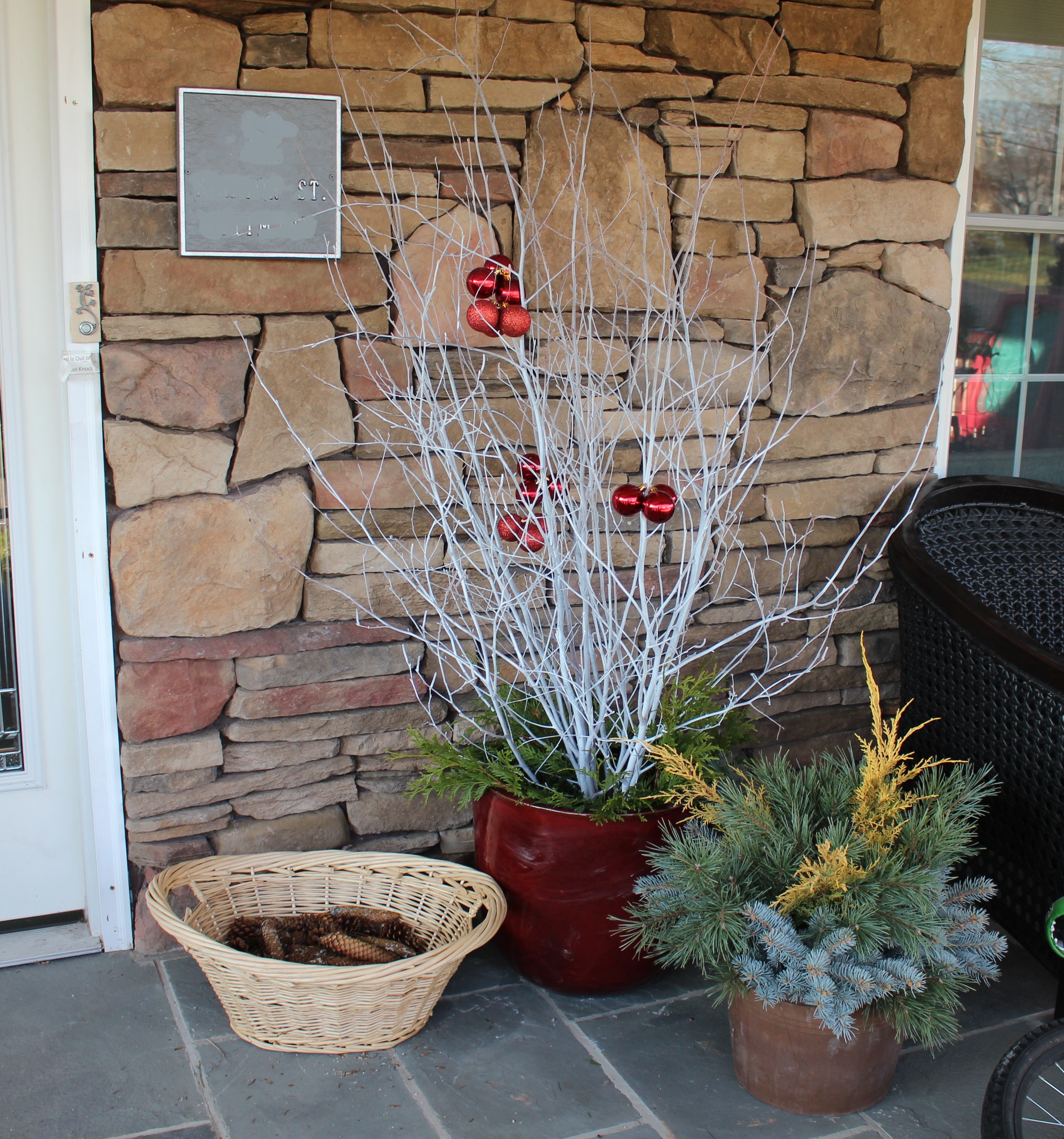
home grown winter decorations

The front door did get some holiday attention this year with a homegrown selection of evergreens and bits from the woods.

Regardless of my feelings of ennui towards the garden, and my wish that the seasons would just move on with it, I have managed to get a few things done.  The Christmas lights and holiday decorations have never gone up as comfortably, and even though they’re a mismatched collection of leftovers and scavenged pieces they suit us just fine.
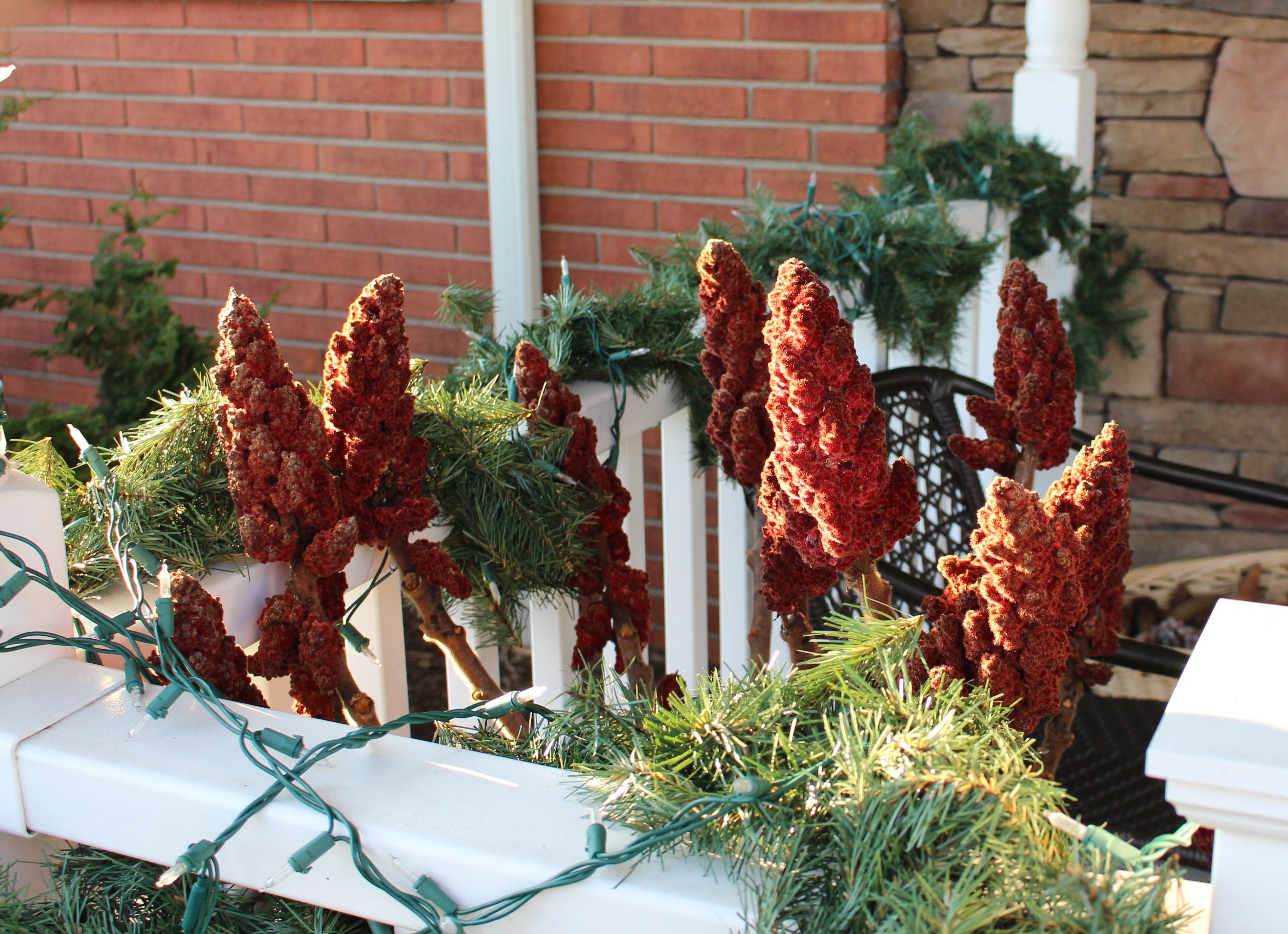
staghorn sumac winter decoration

Staghorn sumac (rhus typhina) seed heads catching the solstice light.

I often admit to ‘economizing’ my actions in the garden, and some equate this to laziness, but sometimes this leads to a few nice surprises.  Without freezing temperatures it was much easier to push evergreen boughs and branches into the soil of this summer’s planters rather than working out something new.  Imagine my surprise when on the  way out the door for Christmas dinner I was treated to the most perfect gerbera daisy rising up out of the dried debris.
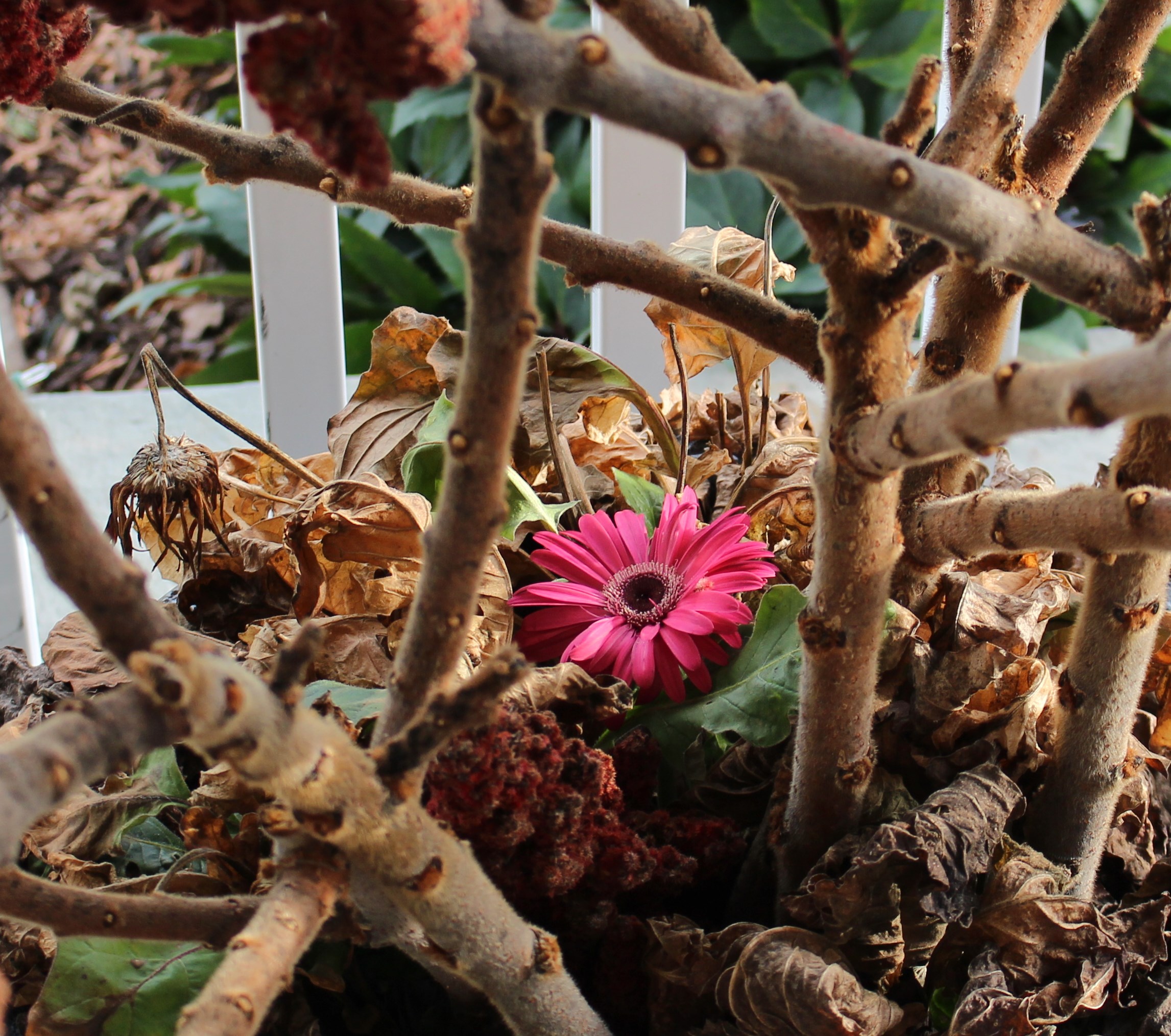
winter gerbera

A single gerbera daisy welcoming Christmas.

I’ll admit a single daisy is not quite as thrilling as a hedge full of blooming camellias or sheets of early snowdrops but it does make the lingering autumn a little more tolerable.  Also making the autumn more tolerable are new bits of winter interest such as my growing evergreens and this nicely colored red-twig dogwood (Cornus sanguinea ‘Midwinter Fire’) which a friend surprised me with.
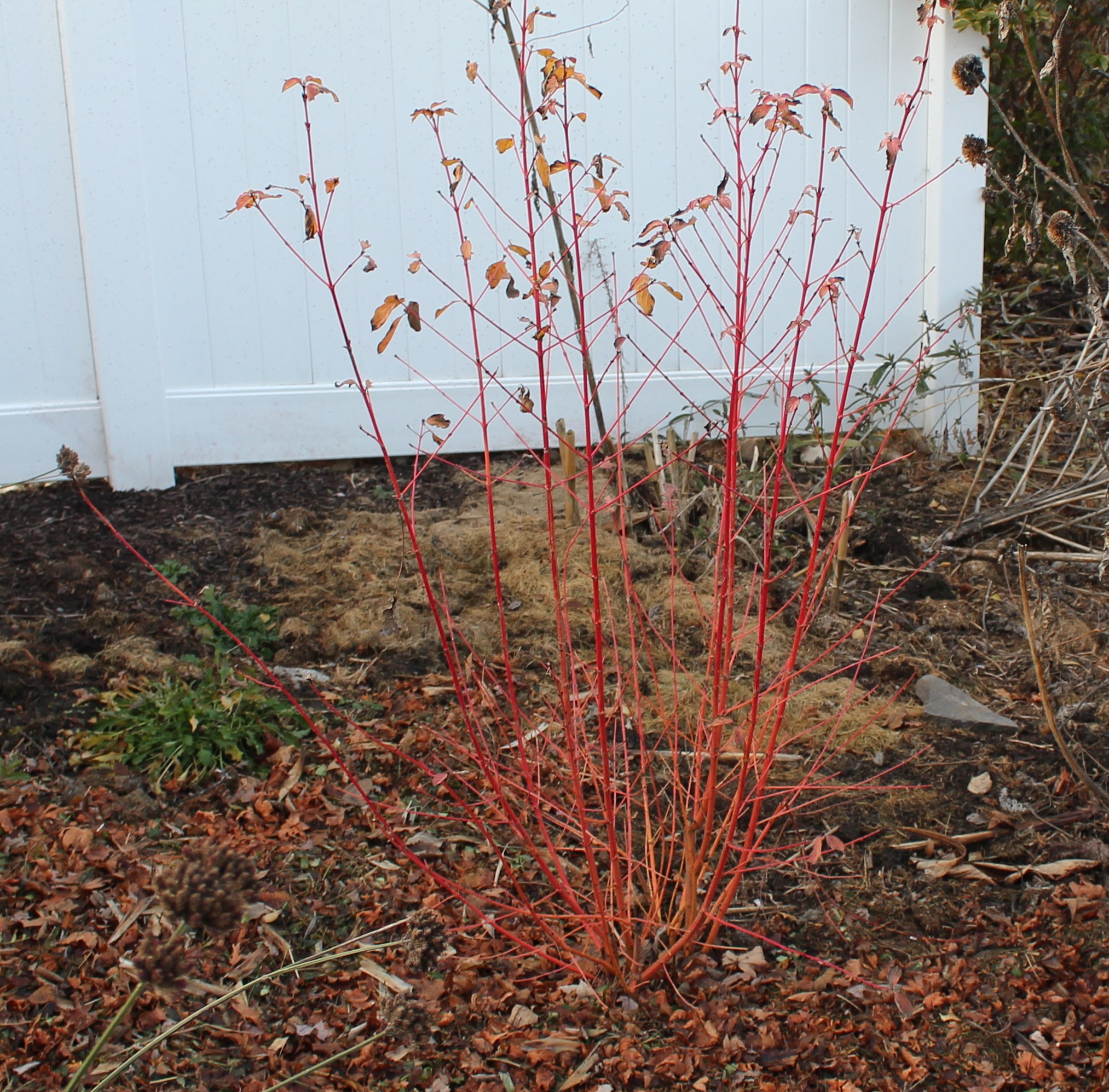
dogwood cornus midwinter fire

‘Midwinter Fire’ dogwood belongs to the tribe of redtwig dogwoods.  I love how the branches in the inner portion of mature plants get a yellow orange color while the ends turn darker red. 

The long autumn hasn’t been a complete bust.  Between leisurely bulb planting and leaf cleanup I’ve still managed to drag myself out for a few other small projects.  I finally removed the invasive burning bush (Euonymus alatus) which anchored the end of the front border.
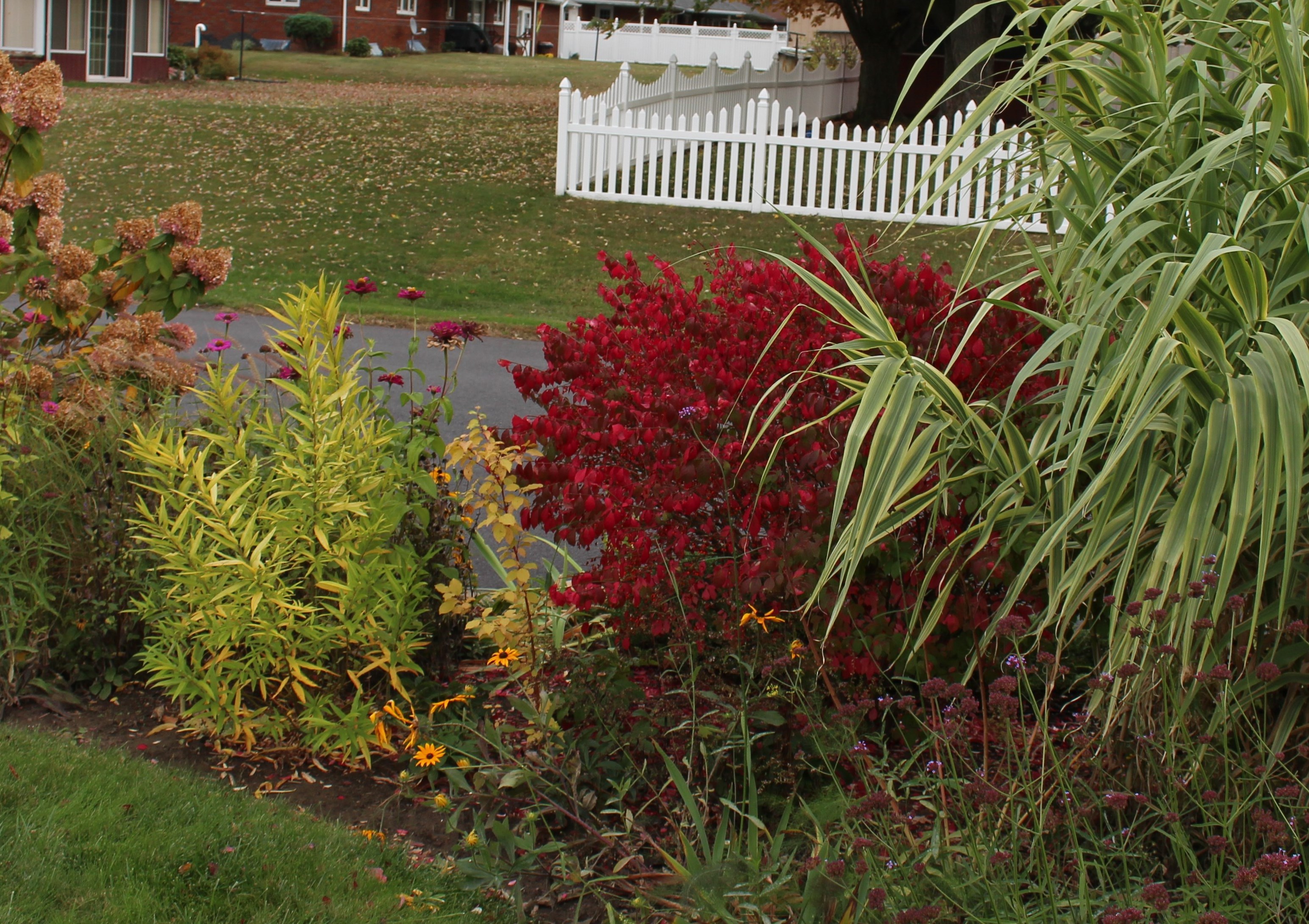
invasive burning bush

Bright autumn color wasn’t enough to save this wolf in sheep’s clothing.  There are other burning bushes (Euonymus alatus)  planted throughout the neighborhood but I’m not going to let this one contribute to all the invasive seedlings which have begun to show up.   

I can see why the bush did so well in this poor spot.  The roots became a thick fibrous mass in the six years it’s been here and I’m going to be on the lookout for root sprouts in this area over the next year or two.   
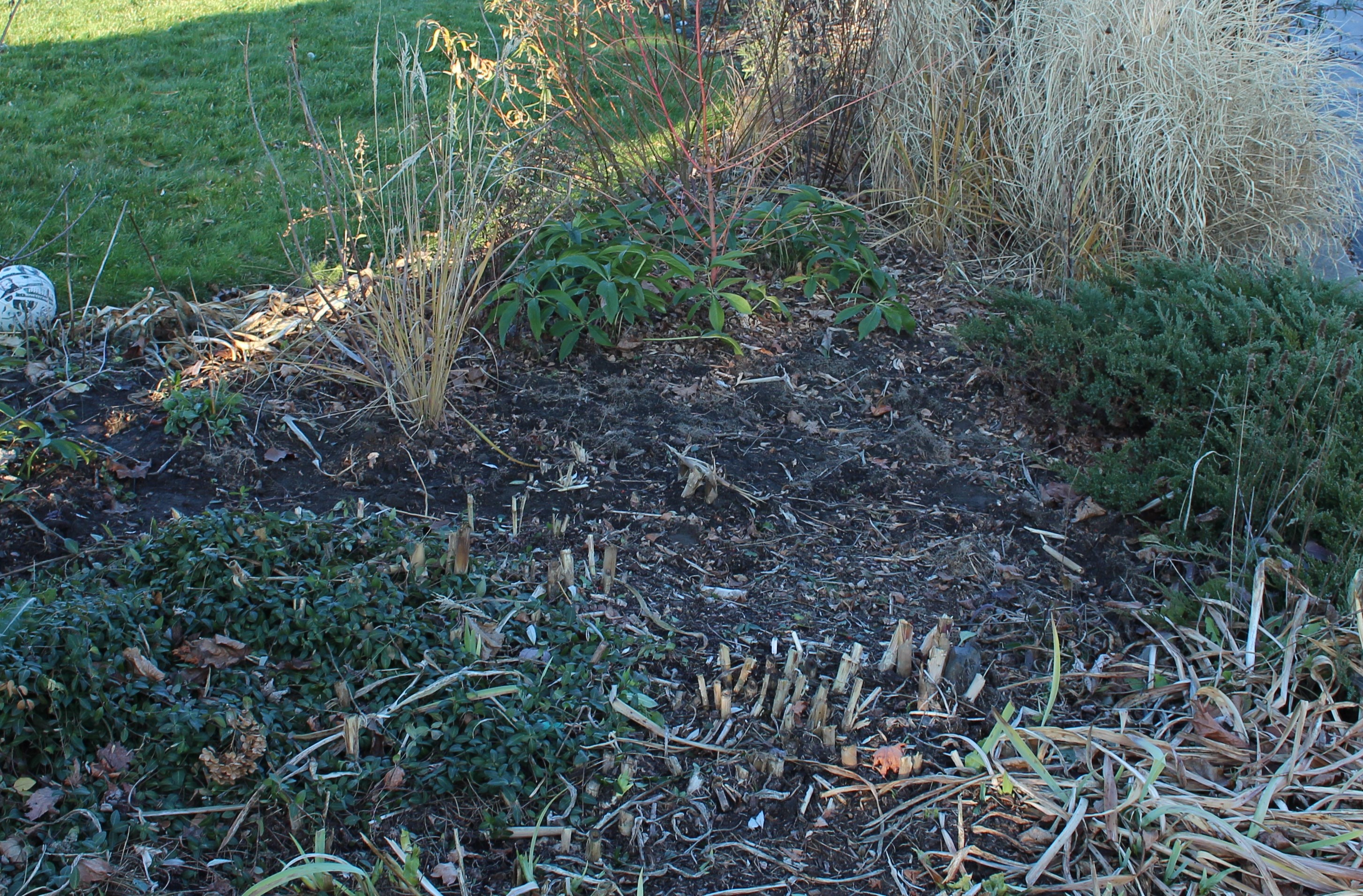
removing invasive burning bush

A prime clear spot in the front border. I promptly filled it with daffodils and tulip bulbs, yet will need to watch for burning bush seedlings and other invasives.  One of these is the Korean feather reed grass (Calamagrostis brachytricha) which still turns up three years after the mother plant was evicted.

What I should really get done is more bed prep.  Fall mulch and compost are the best things for this but my spirit is slightly broken in this regard.  This fall I did my usual whoring around in neighbor’s gardens, selling myself for far too cheap for the chance to take home some beautifully chopped autumn leaves.  It was all going well until I discovered my haul was missing.  Who had been watching and waiting to steal my treasure?  The six bags of mulch were tucked out of sight behind a large panicum clump next to the driveway just waiting to bless my compost pile with leaf mould goodness.  They were heavy.  I know that because I lugged them out of the neighbor’s backyard and jammed them into the back seat of my car to get them home. 

Long story (and several phone calls around town) ends up with the township yard waste collectors trying to “get ahead” in their collections.  They came up the driveway, found the bags, and hauled them away to the dump.  My only consolation after calling all over to “get my leaf bags back” is that I found out where free mulch is available, and if I can drive, lift, and lug for a few trips I might be able to ease the pain.  
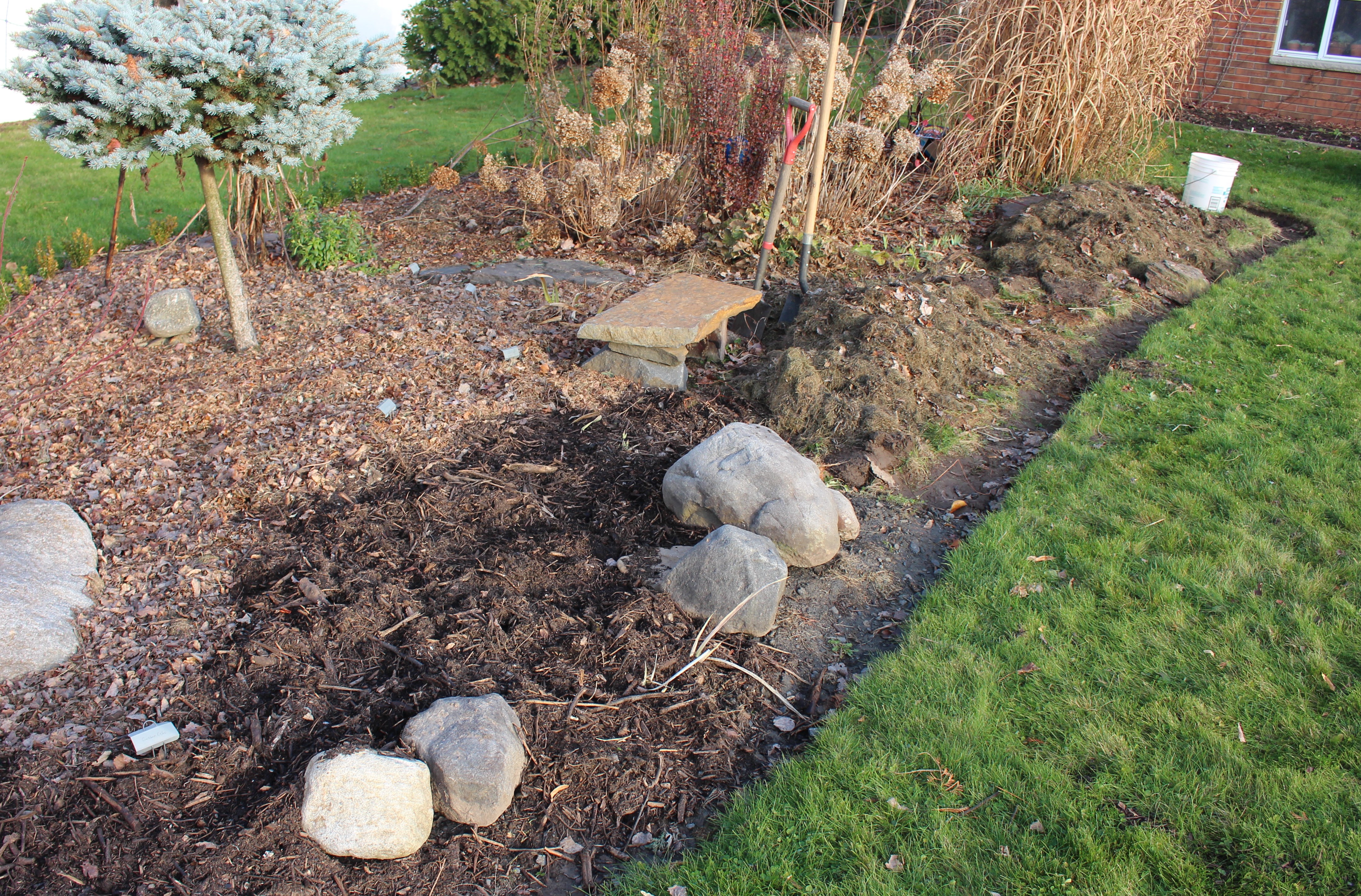
preparing new flower beds in winter

Another bed expansion with a nice edging trench, leftover lawnclipping ready to spread to smother the turf, and a topping with township mulch.  Chopped leaves would have been nicer.  Just saying.

Other beds have been cleaned, other plants have been moved, bulbs are in, weeds are out.  There’s always plenty to do but my heart’s just not in it.  I’m moving into winter garden mode and hopefully between now and New Year’s I can get that set up properly.  Snowdrops are coming after all.
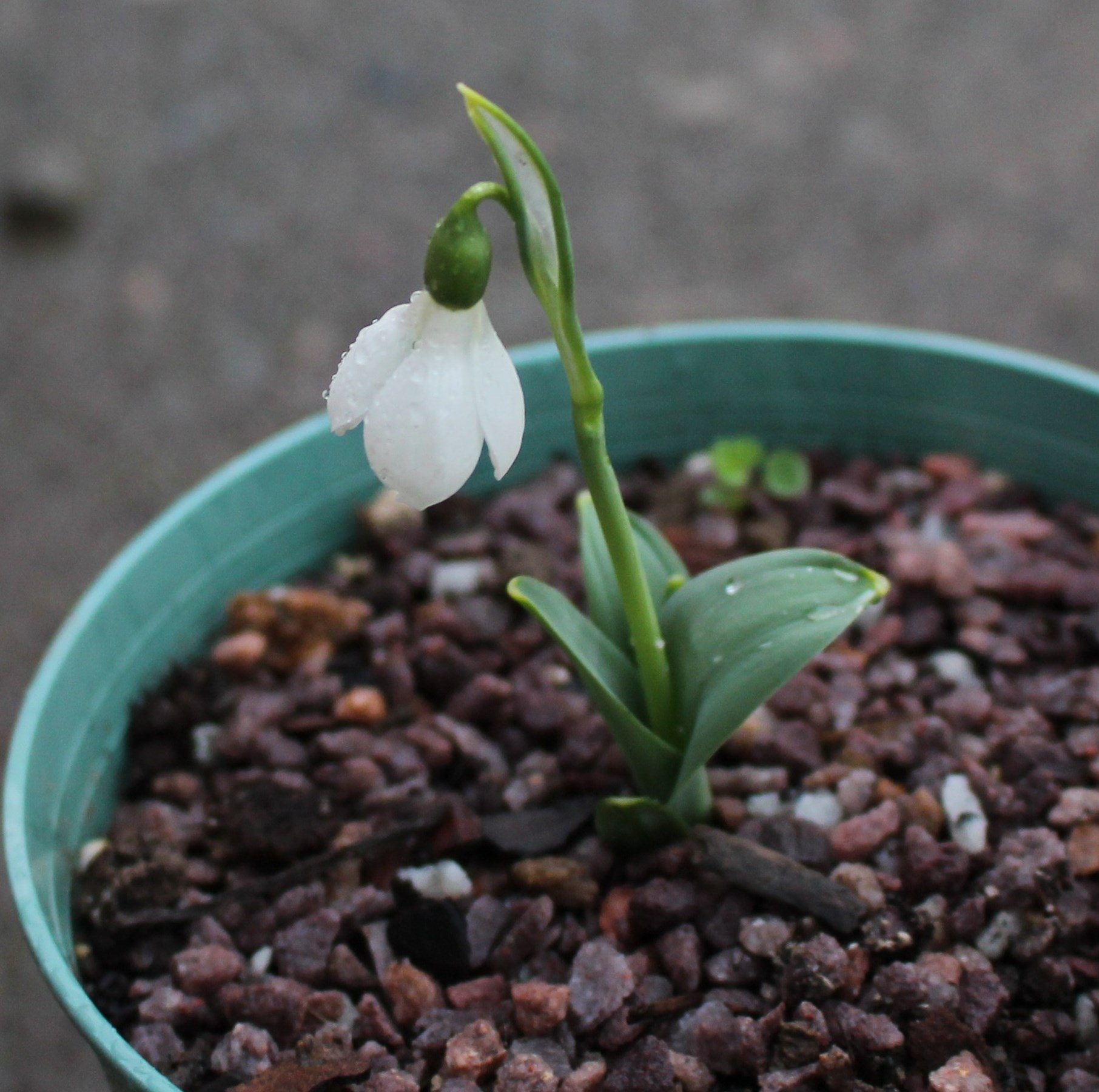
Galanthus elwesii var. monostictus Hiemalis Group ex Montrose

My first snowdrop for this year. I have it on authority it’s a Galanthus elwesii var. monostictus Hiemalis Group ex Montrose… unfortunately the label needs supersizing before I can update.

So that sums December up.  I hope it’s been a merry Christmas and I hope the holidays are going well for all, and here’s for a wonderful start to the new year!  Best wishes 🙂
Plant those bulbs deep

It might be optimism, it might be delusion, it might be weakness, but whatever it is around here there always seems to be an unreasonable amount of bulbs in need of planting….  or there might not be enough.  No one is ever really sure but one thing is definite.  I have never regretted planting too many bulbs, so until I do it’s always better to err on the side of caution and overdo it if possible.

planting spring bulbs

Last weekend I tried to put everything out in order to see exactly what still needs planting.  Tiny bulbs add up, and this innocent collection is well over 1,100 bulbs.

There’s no denying that I’m a bulboholic and I think if you keep up with this blog you already know that fact.  They’re my favorite plant type and for good reason.  Each spring they just explode into growth, bloom like there’s no tomorrow, and then politely fade away, all within a few weeks.  They’re like a spring fling which burns hot and then ends on good terms.

Somehow the bulbs just find me during the summer.  I dig a clump of daffodils to thin them, find a clump of tulips when moving something else, more daffodils come out when I move a bed… before you know it there are bulbs in saucers, bags, and boxes all over the garage, plus a few I pick up at the nursery.  This year an early clearance sale at Van Engelen’s added a few hundred more crocus and muscari.  You can’t overdo crocus and muscari, so obviously those needed to be purchased as well.  Since I don’t enjoy planting bulbs, 850 new crocus corms can border on autumn torture so I try to deal with them as efficiently and quickly as possible.  Here’s a trick I read online which I now love that really moves things along when planting larger numbers of small bulbs.

naturalizing crocus bulbs

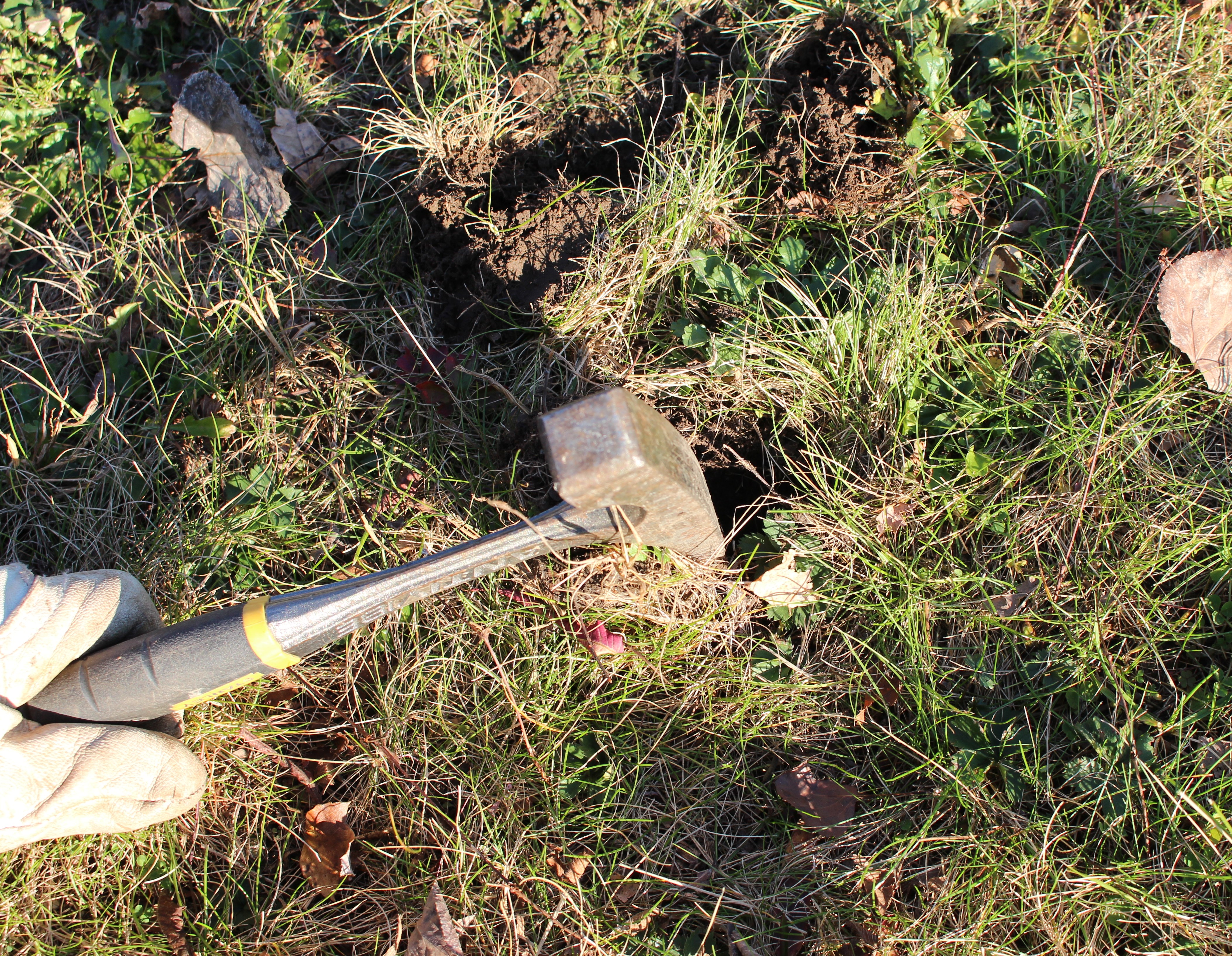
Tools of the trade for naturalizing larger numbers of small bulbs in turf.  Gloves, masonry hammer and small bucket stolen from the children.

A masonry hammer seemed necessary at some point for chipping stones and breaking cinderblocks, but it’s now become invaluable for planting small bulbs in the turf of the meadow garden.  Using a shovel is much more work than I’m willing to do and when you’re trying to naturalize bulbs, or make them look like they just seeded out into your lawn on their own, then digging large sections of turf up is just out of the question.  I find the hammer much easier to use.  One swing and it’s into the ground, a pivot back and you have just the hole you need for a tiny bulb or two.

naturalizing crocus and small bulbs

One down, 849 to go.

I start off carefully, trying to get the sprouting end up and the bulb gently eased down into the hole, but after the first 100 they’re getting dropped in and jammed down whichever way works.  A quick swipe with the hammer also closes the hole.  After about an hour and a half (including two 20 minute breaks to unlock my knees and back) all the bulbs were in.  People talk about the joys of gardening but for me I far prefer sitting back after the job’s done and visualizing the results.  I have plenty of other things which need doing in and out of the house, so the less time spent prepping cute little holes and overdoing a job the better.  If one had to sum up my entire bulb planting philosophy I think ‘shallow graves’ might not be the worst term to apply.  For larger tulips and daffodils I’m not above digging out a shovelful or two of dirt, throwing in a handful of bulbs and carelessly kicking the dirt back over them without bothering to prep the soil or put the bulbs right side up again.  In the vegetable garden some bulbs go into trenches so shallow that by the time the compost rots away from above them the tops of the bulbs are actually at the soil surface…. although this has just as much to do with thin soil and poor drainage as it does with a lack of enthusiasm for digging.

shallow tulip bulbs

These tulips might be on the shallow side. The original bulbs have split in two and both appear to be healthy blooming size bulbs, but if left uncovered mice and rabbits will likely find them and have a nibble.

I often read that in order to have bulbs such as tulips last longer and re-bloom reliably they should be planted as deep as possible, sometimes up to a foot deep.  This sounds like a lot of unnecessary work and I’m completely against it.  Perhaps a shallow bulb is more likely to split due to stress such as drought, but for the most part mine come back best when the spring is long and cool, tulips are deadheaded (daffs and hyacinths don’t seem to care), and tulips are either dug up for the summer or not watered in a spot which is nice and dry.  Planting depth, as long as it’s at least a couple inches down, doesn’t seem to factor in much at all and unless someone shows me actual research to prove otherwise I’m going to say deep planting is one of those often repeated bits of advice which don’t really do much here or there.

pink impression tulips

I planted these ‘Pink Impression’ tulips a few years ago and finally got around to getting more this fall. The new bulbs are from a good nursery and huge, so I know they’ll add to an even more awesome show next spring!

So we’ll see this spring if my lazy planting methods pay off again.  Good soil prep and proper planting depth are always a great thing, but I prefer to not overthink gardening.  If a squirrel can successfully plant sunflowers and oak trees throughout my flower beds, and the best iris can survive a year under the compost pile, I think I can pop a few bulbs into the ground without a PhD and still get good results.  I’m already looking forward to seeing the ‘bulked up’  meadow plantings next spring.

crocus lawn of dreams

The crocus plantings in the meadow garden began with approximately 500 bulbs,  this fall I’ve more than doubled that number 🙂

Two issues may still stand in my way.  Rabbits have huge appetites once they discover fresh crocus flowers, so I may have to do something about that come springtime.  The second worry is that the mixed crocus were irresistibly cheap when compared to the single color varieties I had been planting in the past.  Hopefully the Technicolor patches look as nice as the solid color patches I have now.  I did try to keep the single colors closer together and the mixed ones more spread out but who knows how this naturalizing theory will work out in the real garden.  If worse comes to worse the bunnies will make quick work of any mistakes.

Have a great weekend and I’d love to hear which bulbs have made the cut for you this year.  One request though,  please don’t rub it in too much that you’ve already completed your planting 🙂

A lull in the storm

I promise this is the last time I will complain about the brutal freeze which ended our growing season.  I’ll also not mention the weeks of warm weather which followed, and I won’t show a picture of the dahlias which are resprouting due to some misguided notion that winter came and went.  Instead I’ll focus on the mellow colors of autumn which are slowly winding the year down, and I’ll just enjoy the warm lull we’ve been having until winter returns again in earnest.

the front border in autumn

The front border is about as tidy as it will get prior to winter.  Whatever’s left will hopefully hold the snow nicely and keep things interesting until spring returns.  The golfinches approve of the leftover coneflower and sunflower stalks.  

Last weekend I finished up the last of the leaves and tried to wrap up the last of the fall planting and weeding.  I have to admit I like the way the gardens open up and empty out this time of year, and I love the way the fall rains have left a lush green lawn to set off the emptying flower beds.

Muhlenbergia capillaris pink backlight

Earlier in October the pink muhly grass (Muhlenbergia capillaris)  finally came through and put out the airy pink flowerheads which look so nice in the low autumn light.

Three years after transplanting, my pink muhly grass has finally bothered to bloom.  I’ve come to accept that I’m just too far North to enjoy this plant.  It looked pathetic until August, finally put out enough leaves to look alive by September, and then for 12 days in October it impressed with it’s pink seedheads…. and then was promptly browned out by the first freeze.  The effect is still nice enough, but I wouldn’t have minded a few more weeks of the pink.

pink muhly grass after a freeze

Pink muhly grass after a freeze.  Still nice, but not the amazing, glowing pink you look for in this plant.   

I’m going to give the cultivar ‘Fast Forward’ a try next year.  It’s supposed to be a good month or so earlier than the straight species and also shorter and more compact… although for me the larger size would have been preferable.  I’ve actually already got my hands on one but since it was a small plant and just planted last week I’m not too confident it will make it through the winter.  Fall is not the time to plant anything borderline hardy or more of a warm season grower…. speaking of probably not making it through the winter, my cardoon seedling is really starting to put out some nice leaves.  The freeze didn’t bother it, but as a zone 7 plant I’m really hoping for some serious El Nino luck in getting this thing through the winter.  Any protection suggestions are more than welcome!

young cardoon plant

If this cardoon plant makes it until next year I’ll be thrilled.  Bigger leaves with artichoke-like fluorescent purple flowers would be the highlight of 2016 I’m sure 🙂

Something which will have no problems this winter is the Virginia creeper.  This year brought on a good crop of the grape-like fruits, and I’m sure they’ll be sprouting up all over as a gift from the birds…. just like this plant was.

Parthenocissus quinquefolia berries Virginia creeper

Virginia creeper (Parthenocissus quinquefolia) minus it’s bright red fall color, but still interesting with its raisin like fruit.

The rest of the garden is clearing out.  Leaves are mulched, the vegetable garden is tucked in, and there’s already interest in spring flowers.  I love how good hellebores look at this time of year, they love the cool temperatures and extra moisture and if all goes well this spring I may have my best hellebore show yet.

hellebores ready for winter

Hellebore seedlings showing promise for next year.  Hopefully we’ll see a few blooms next year since these are supposedly yellow seedlings and haven’t yet shown their true colors.

Back towards the meadow garden things are just waiting for snow.  I’m glad I left a bunch of the little bluestem since it’s gone through such a nice color change from green to yellows to reds to tans now.  With the rest of the yard mowed, it keeps things somewhat interesting back there.  Something I’m not too glad I left is the littleleaf linden (Tilia cordata) seedling which showed up among the phlox.  I’ve been ignoring it for years, but at six feet I think it’s time to make a decision.  The mother plant is so popular with the bees and so fragrant I just hate to weed it out…. but a second linden is one more than this yard needs.

autumn cleanup in the vegetable garden

Mid November in the vegetable garden.  Yet again the phlox have not been divided, and there’s a huge linden tree weed, but at least I’m getting some mulched leaves down to save on next year’s bed prep.

There’s little chance of dealing with the linden this fall.  It would do fine with a transplant at this time of year, but with 14 pounds of crocus and daffodils sitting in the living room I have other things calling for my attention.  I should have no problem getting a few in tomorrow… unless I first deal with the dozens of daffodils and tulips which I already had from this summer’s bed renovation.

Whoever said November was a time for gardeners to kick back and relax obviously didn’t procrastinate planting spring bulbs nor succumb to early clearance sales.  Hopefully your autumn is much more relaxing 🙂

Indian Summer

A single cold night in mid October ended the summer garden this year.  The thermometer dropped to 23F (-5C) and we abruptly went from balmy sunshine to snow squalls and blackened flowers.  It happens, but since that night we’ve barely had another touch of frost, and the short sleeves have come out again and shorts are back on as play clothes.  What better thing than to go to the beach?

international memorial flight 800

The TWA flight 800 memorial at Smith Point County park in NY.

It was a miserable beach day with showers on the way over and a tropical storm off the coast whipping the surf to a frenzy, but we’re not the sensible types and went through with our plans anyway.  Omi and Opa joined us and we ended up at the edge of the Atlantic on the sands of Smith Point County Park, near the Eastern end of Fire Island in NY.

smith point long island beach

Hardy miscanthus and feather reed grass mixed with yucca and annual purple pennesitum.  The wind kept everything moving and the coastal sun and saltspray keeps things short and tight.

We came for the sand and surf but can never avoid the memorial which stands for the 1996 plane crash which occurred just offshore here.

TWA Flight 800 Memorial

TWA Flight 800 Memorial

The memorial sits down a bit out of the wind and the calm quiet of the memorial is a stark and sad contrast to the panic and fear which must have accompanied the flight’s last seconds.

TWA Flight 800 Memorial

TWA Flight 800 Memorial

I remember the days and weeks after the crash and the weeks of debris washing up and the unease when visiting during that and later summers.  It’s strange to think over 20 years have passed since.

smith point beach in the fall

Even in the fall the Gulf Stream keeps the water warm for weeks beyond the end of summer.  There are miles of empty beach to explore but to some the sand and water are always more fun than walking.

Still it’s a beach trip, and I didn’t intend to make this such a somber post.  We and the kids loved the visit despite the windy sandblasting we received walking to the shoreline, and the clean warm water and sand were just too inviting for the kids to resist…. even if the calendar says fall.

smith point beach in the fall

Mom had enough sense to pass on an October beach trip.  You can tell dad was in charge.

It will be months before there’s any chance of getting back into the water so I was glad for this one last hurrah.  You never know what next year will bring, and the kids grow so quickly.

Goodbye 2015

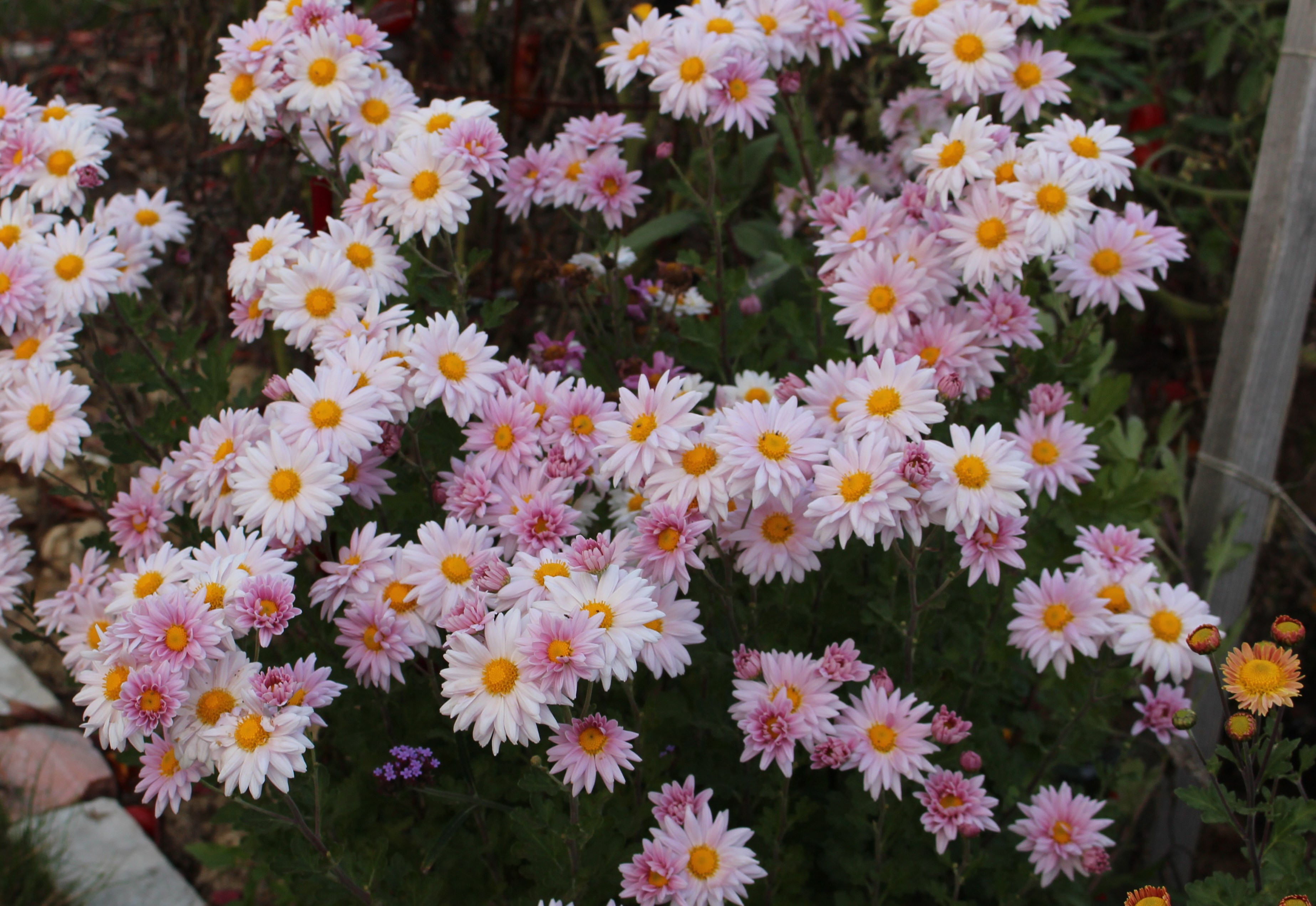
All the random wandering around the garden with camera in hand have surely raised an eyebrow or two in my neighborhood and I’m sure neighbors question how I can focus on so many things without stopping for even one selfie.  For the last month though I wonder if anyone has noticed how normal things have been?  For whatever reason I’ve been just fine looking and not photographing and as a result there’s next to no record of October to blog about.  So it’s been quiet around here.  Lets see if we can change that, and let’s see if the last of the chrysanthemums will do the trick!

chrysanthemums

A mix of winter hardy chrysanthemums blooming in the garden this month. I have their names somewhere but that’s a job for next spring’s transplanting, when I’m sure I’ll be able to tell one dried stem from the next… (although I do know ‘Dolliette’ is the bicolor in the center)

The last few years have seen an unexpected interest in one of the least interesting plants I grow.  Pots of disposable mums fill every grocery and DYI store and farmstand at this time of year and the rounded blobs of color shouldn’t really do anything for my gardening passion…. but they do, and I’m not really sure where this came from.  As usual I blame the internet.

hardy mums

A weather weary white chrysanthemum next to a few reds. Between fresh and faded flowers you wouldn’t guess all five of the oranges and red flowers come from the same plant.

It started innocently enough with trying to overwinter a few of the seasonal color pots which we came across at various nurseries and farmstands, and it grew from there.  I wanted to give something more reliable (and interesting) a try and found Mums of Minnesota and their University of Minnesota introductions.  If it grows in Minnesota it should work here, right?

chrysanthemum in the garden

Chrysanthemums taking over the vegetable garden.

Besides spending the last couple years adding named mums to the garden I also grew on a few seedlings.  It’s surprising how nice a mum you can get from a few old seedheads, and they’re fast and easy!

chrysanthemum from seed

A few chrysanthemum from seed, early and late bloomers, tall and short.

So far they’ve been overwintering well with no effort on my part, but some are far hardier than others.  One of the hardiest are the seedlings of ‘Innocence’ which I grew from HPS seed exchange seeds.  They do need trimming in July to control height (or staking… if you’re into that kind of stuff) but otherwise they’re carefree.

chrysanthemum innocence

Seedling of chrysanthemum ‘innocence’. Most are pink and white but this year I found my first “ugly” seedling, a small orange which you can see at the lower right of this photo. It’s already found a place on the compost pile.

Some of the odd petal forms even show up in the seedlings.  I like this unusual mix of orange with just a touch of pink on this spoon shaped petal.  We’ll see how this one looks next year with a little more room.

chrysanthemum from seed

An interesting self-sown chrysanthemum seedling.

Besides loving the surprises of new seedlings I’ve also become smitten by the fat football types.  I was surprised by their hardiness last year and of course had to add a few more this spring, and even though they were rudely crammed into the edges of the vegetable garden they’ve still put on a halfway decent show.

football chrysanthemums

A few football chrysanthemums in the vegetable garden.

This is the time of year when preparations begin for next year, and although a harsh, early freeze put an end to much of the garden’s chrysanthemum show I’m still excited about these newest additions and am already looking forward to next season.  According to the grower’s website some of these will put out 5+ inch blooms if properly cared for and disbudded, and even though this also means staking I might just give it a try next year.  A couple potfuls of big football mums might be just the thing our front porch needs 🙂

Please don’t mention frost

The last few days have been cold, rainy, and damp.  Combine that with reports from the north of snow flurries and frost and I guess it’s time to face reality…. eventually.  Let’s make one more visit to the tropical garden while I sit indoors waiting for things to dry out.

peach salvia annaul planting

Seedlings of this peachy-pink salvia splendens have finally come into their own along with the grasses.   A garden which ends in a crescendo rather than sputtering out is my kind of garden!

Although autumn is never welcome around here I am grateful for the rain and the possibility of seeing green grass again.  I did break down and water the front around the middle of last month but my brief sprinkle just provides life support and doesn’t bring on a lush flush of green.  A green lawn does seem to set things off so much better…

Abelmoschus Manihot dahlia happy single flame

Second year’s a charm for this Abelmoschus Manihot.  It’s an annual for me and doesn’t appreciate the dry poor soil of most of the garden.  Although the size and color of the blooms is perfect, it shamefully begins to close up by the time I get home from work. 

Actually a green lawn just means more mowing so I guess I’ll embrace the summertime tan, but being that the autumn rains have returned, something green to set off the soon to be falling red maple leaves would be nice.

miscanthus cabaret

Miscanthus ‘cabaret’ in the tropical garden.  This one becomes massive so I’ll need to take a spade to it next spring to keep the clump size reasonable. 

But cool plants don’t really need much to set them off anyway.  This year time under the growlights and a little stay on the heating mat have given the swan plant seedlings just the head start they needed.  Gomphocarpus physocarpus is the official name but the plant goes by several other names, all more colorful than that of ‘swan plant’.

Gomphocarpus physocarpus flowers milkweed

Gomphocarpus physocarpus used to be an African member of the milkweed genus (Asclepias) but somewhere along the line got booted out.  Monarch butterflies disagree though and still feed on the foliage, while the flowers show off the family resemblance.

The tall graceful willow-like plants are attractive enough in their own right, but the real draw for this plant are the interesting seedpods.  Pufferfish milkweed and balloon plant are more common names describing this feature.

swan plant family jewels

Pods forming on the six foot tall plants of the sawn milkweed.  They always draw attention.

In case you haven’t noticed, the pods seem to form in pairs and the puffiness is joined by a vegetative hairiness which leads to several other descriptive names.  Since Tammy over at Casa Mariposa already broke the ice with her sure-to-make-you-smile plant support post on “All the Wobbly Bits“, I’m going to introduce the male version here, which also needs support on occasion.  Family jewels plant, Bishop’s balls, and hairy balls plant are additional common names which more worldy and less discrete eyes have given to this plant.

Gomphocarpus physocarpus seed pod hairy balls

Quite a set of seed pods growing on Gomphocarpus physocarpus.  A pair like this would make any gardener proud, and you could sow your seed far and wide once they’re ripe and released.

I’ve seen swan milkweed listed as a cutflower, but I’m not sure what bouquet they could find their way into (outside of a bachelorette, or bachelor-bachelor party favor).  I think my best bet is to leave them out there swaying in the breeze and not bring them inside, least of all feature them in one of Cathy’s Vase on Monday posts!

dahlia in mixed perennial border

Dahlias in the front border.  I need to re-focus on dahlias next year and give them the care they need.  They’re not really a fend for themselves kind of plant!

I’ll leave you with a more respectable showing of my most reliable unknown dahlia.  It’s sandwiched into the rough and tumble of the front border but I feel the color goes perfectly with the aged seedheads of ‘Karl Foerster’.  I guess there are some good things about the end of summer and maybe even I can finally let go.

Make way for Monarchs

The last few weeks are bringing the Monarch butterflies in.  They usually miss my plot on their springtime crawl North, but during their escape to the South they come right through.  It’s good timing too as it comes about four or five weeks after I’ve given up completely on the vegetable garden and the selfsown Verbena bonariensis have taken over.  Last week they were all over the place feeding and fluttering and during the one day of perfect conditions I counted at least 20 in there at one time.  They don’t stay long, but walking the paths and having the large orange butterflies lifting up and floating around you on a warm autumn day is a wonderful experience.

verbena bonariensis

An airy purple haze of Verbena bonariensis will spring up wherever I leave an unmulched spot of soil.

The verbena is clearly a favorite, but other flowers also fill the menu.  I don’t think of double dahlias as wildlife-friendly but maybe the color brings in even more dinner guests.  I at least think they look great.

dahlia sandra

Not a Monarch but still a welcome visitor, this fritillary is taking a break on dahlia ‘Sandra’.

My dahlias are not quite where I’d want them to be this year.  I’d blame the rains of July but in reality it’s the neglect of August and September which really did them in.  Fortunately with some good lighting and a few verbena screening and distracting they still look nice.

dahlias and verbena

Dahlias and verbena in the morning light.

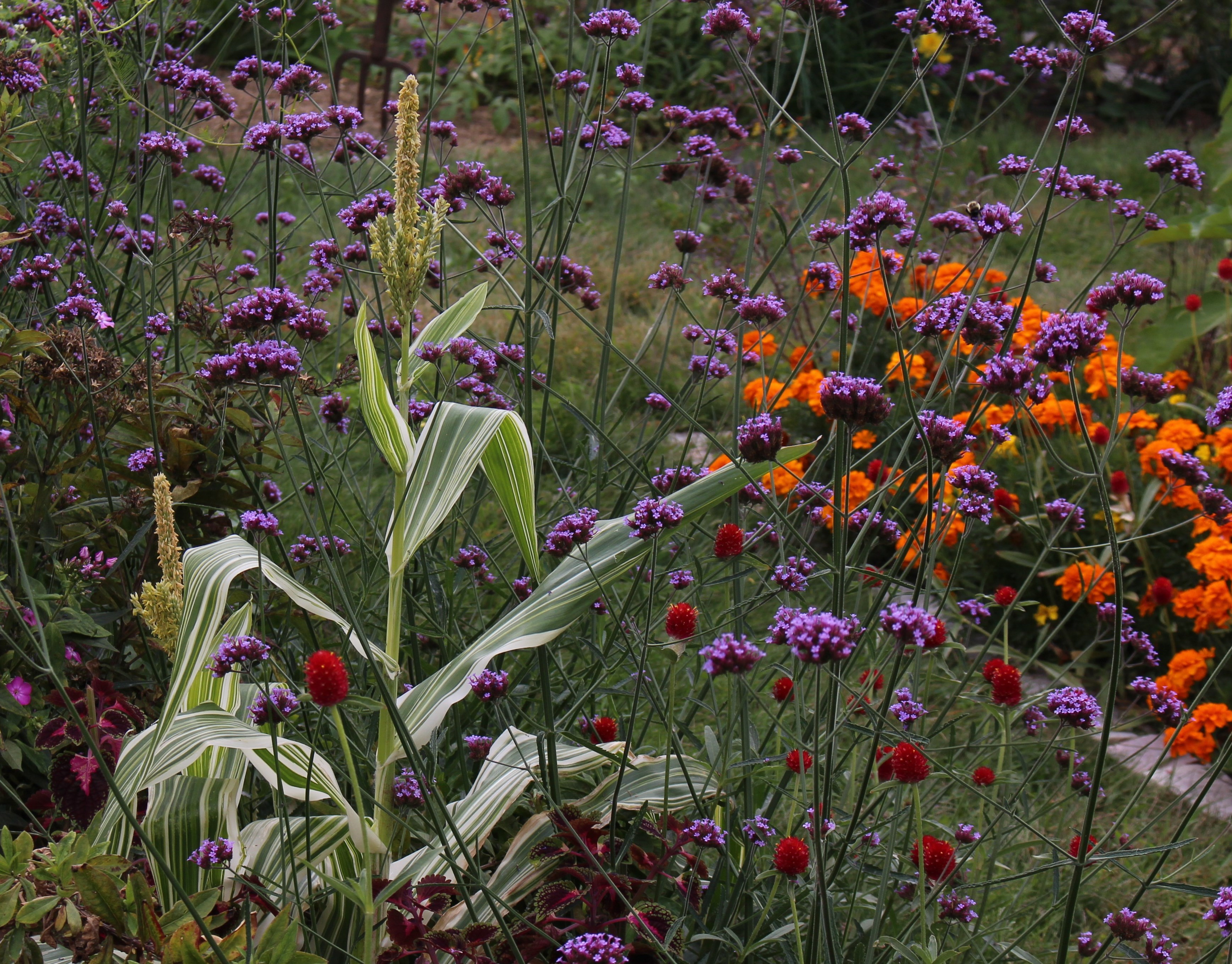
I like that the flowers take over in autumn, and I like that the combinations and players change each year as I gain or lose interest in one thing or another.  This year ‘Tiger cub’ corn is back.  The seed was a gift from Nan Ondra of Hayefield and I love the variegation but I’m afraid it won’t have time to ripen any seed this fall unless things stay warm late.  My fingers are crossed.  I love how the bright leaves of the corn go with the bright colors of the red gomphrena and orange marigolds.  Word is marigolds are supposed to be a no-no in classy gardens,  but I still love their carefree color and I like them even better knowing they’re another gifted plant, this time from Kimberley of  Cosmos and Cleome.

tiger cub ornamental corn

I did start out with cauliflower here in the spring, but then rather than replant with a fall crop I put in a few ‘QIS red’ gomphrena seedling, a few ‘Tiger cub’ corn kernels, and a few coleus for good measure.

I like this autumn mess.  Lettuce would be nice too but it’s just been too hot and dry and I just don’t have the ambition to start plants in a shaded spot for transplanting.  Plus I can always pick it up at the market… unlike butterflies, those I need the flowers for.

verbena bonariensis cypress vine Ipomoea quamoclit

In a few spots ‘love in a puff’ and the red blooms of cypress vine (Ipomoea quamoclit) thread their way through the verbena stems.  These little surprises make me smile.

Here’s another little surprise which I could fill a whole photo album with.  This spring I finally seeded out a few Spanish flag vines (Ipomoea lobata), and although they never sprouted in their seedling pots, they did once I threw the leftover soil into the garden.  It’s a late bloomer and like many in the morning glory family it can be a little rambunctious, but in this spot it’s perfect.  The spent broccoli seed stalks (I suspect I’ll be weeding out tons of broccoli weedlings next spring)  and verbena stalks provide just enough support and when a bed to the left opened up after the potato harvest the vines moved right in.  I couldn’t have planned the color coordination with the chrysanthemums any better.

Ipomoea lobata Spanish flag

Ipomoea lobata (Spanish flag) vining through verbena stalks, broccoli stems, and some of my favorite orange chrysanthemums. 

The colors of this planting are the perfect match to my daughter’s favorite orange ice pops… please don’t question why she was eating this while the morning light was still so fresh.

Ipomoea lobata Spanish flag

Color echoes in an ice pop.

I’m not a pink and grey pastel kind of guy so this bold mix of orange and purple really tickles my color bone.  Throw in a few hot pink persicarias in front of the dark foliage of the ‘Coppertina’ ninebark (Physocarpus) and I’m more than happy.  I just regret that my photo skills weren’t enough to capture it all together in one shot.

Ipomoea lobata Spanish flag

More orange and purple in the fall garden.

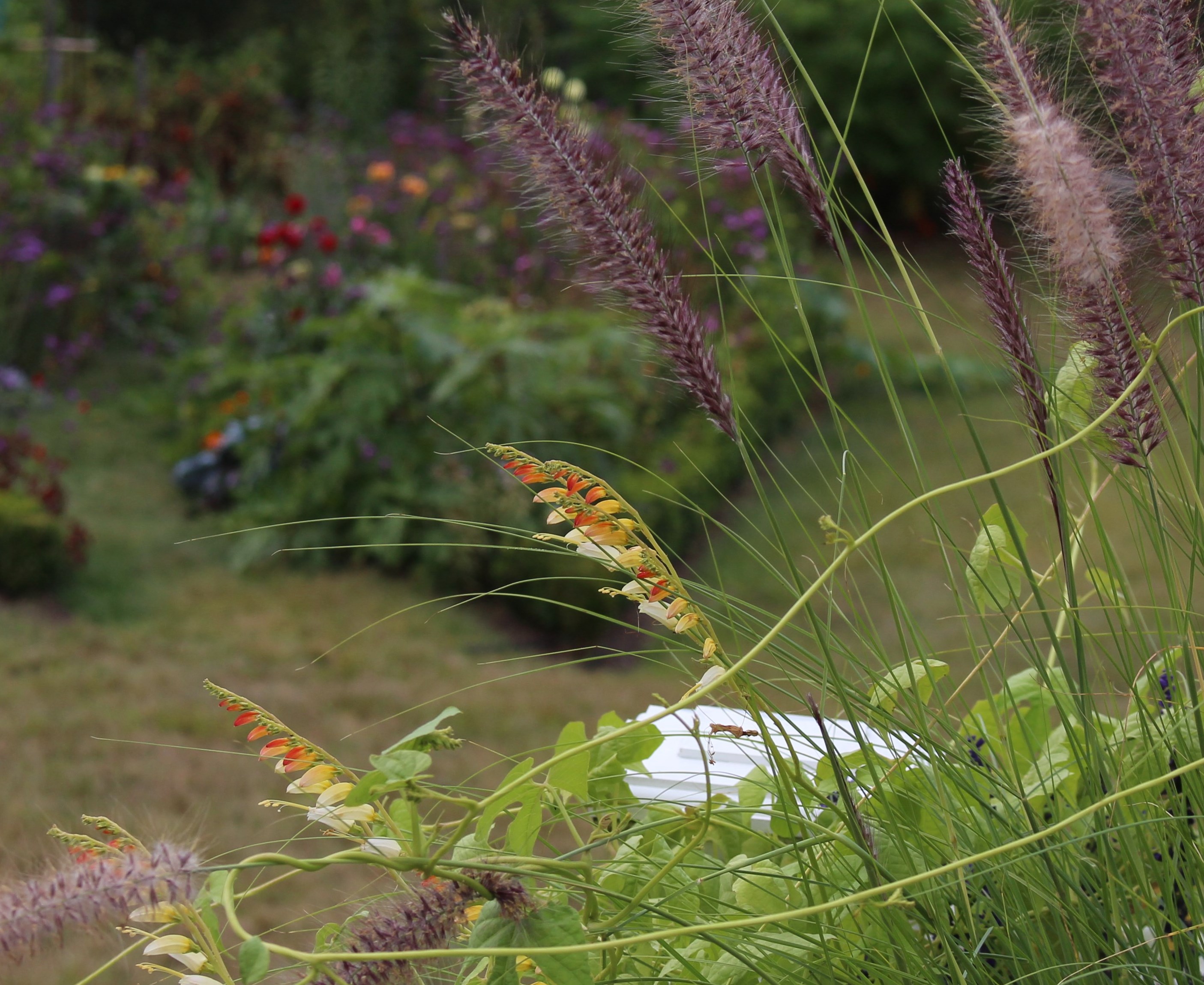
Another thing I regret is that the flag vine planted on the deck has turned out to be a much less vibrantly colored plant from a more refined end of the gene pool.  When my seeds seemed destined to fail I snapped up a potful found at my favorite nursery.  It’s still a very nice thing, and I’ve even grown a paler yellow version before, but I can’t help wish they all had the darker stems and bolder orange of their more common cousin.

Ipomoea lobata Spanish flag

A paler version of Spanish flag grappling through some pennisetum on the deck.  The whiter blooms and lighter foliage are nice enough, but I need darker colors to hold up to the white railing.

Bold and less bold are still just fine and it really revs up the autumn season around here.  With temperatures finally cooling off and a good soaking rain last night fall is officially in full swing here and I guess I’m going to have to finally give up on my whining about the loss of summer.  It’s about time I’m sure, and to cheer myself up I think I’m going to get into chrysanthemums next post.  Have a great weekend 🙂